Матеріали автора Nataliia Romanyshyn

Журналістика даних

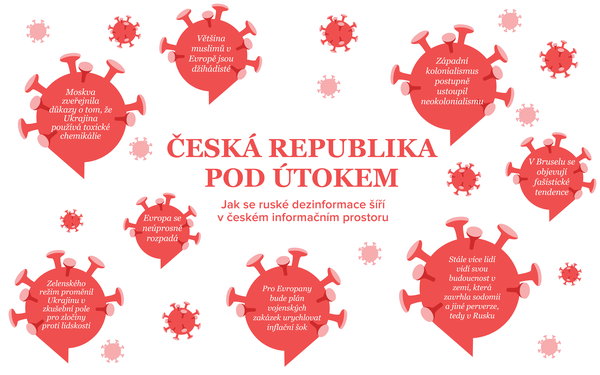
Jak se ruské dezinformace šíří v českém informačním prostoru

Jak se ruské dezinformace šíří v českém informačním prostoru
Každá země, která soustavně podporuje Ukrajinu, se stává terčem ruských informačních operací. Česká republika není výjimkou. Rusko prostřednictvím pochybných informačních webů a komentářů na sociálních sítích ovlivňuje veřejné mínění, oslabuje podporu Ukrajiny, prohlubuje vnitřní společenské rozpory a posiluje euroskeptické postoje. Kreml se nechová jako sprinter, ale jako maratonec. Nespoléhá na okamžitý efekt, ale sází na četná opakování klíčových sdělení, jejich šíření a pomalé podrývání důvěry v mainstreamová média a uvážlivé politiky.
Журналістика даних

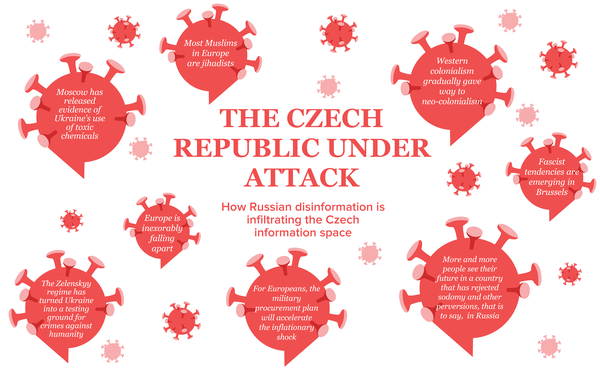
How Russian disinformation penetrates and takes root in the Czech information space

How Russian disinformation penetrates and takes root in the Czech information space
Every country that consistently supports Ukraine is a target for Russian information operations. The Czech Republic is no exception. Russia uses low-tier news sites and mass comments on social media to shift public opinion and minimize support for Ukraine, as well as to deepen internal social divisions and Euroscepticism. The Kremlin operates not as a sprinter, but as a marathon runner. It does not expect an immediate effect — its strategy relies on repeatedly spreading the desired narratives and slowly eroding trust in mainstream media and level-headed politicians.
Статті

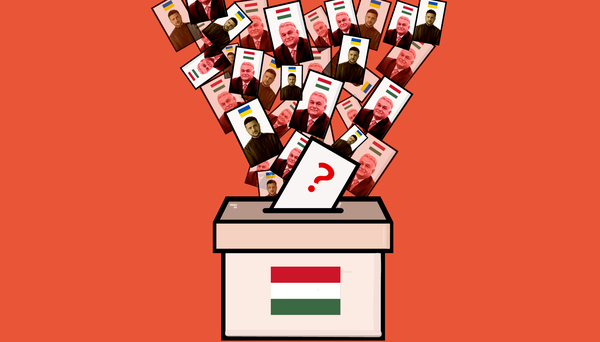
Elections overshadowed by Kyiv: Ukraine as the centerpiece of Orbán's campaign

Elections overshadowed by Kyiv: Ukraine as the centerpiece of Orbán's campaign
Parliamentary elections will take place in Hungary on April 12. The election campaign has been extremely heated. Viktor Orbán, who risks losing the election, has staked his campaign on anti-Ukrainian sentiment. Consequently, his campaign and the media under his control are constantly leveling accusations against Ukraine. We analyzed the content of the main pro-government media outlets and identified the key themes they have been promoting regarding Ukraine and Volodymyr Zelenskyy.Читати українською
Статті

Hungarian propaganda against Ukraine: what the Orban regime is spreading

Hungarian propaganda against Ukraine: what the Orban regime is spreading
Kyiv is funding Hungarian opposition journalists to criticize Orban. Ukrainian Intelligence has taken control of the opposition party Tisza and is now, together with Brussels, trying to replace the Hungarian government with a puppet government that will obediently work in the interests of Brussels and Zelensky. Hungarian pro-government media published these and many other absurd reports during the consultative referendum on Ukraine's EU membership.Читати українською
Журналістика даних

What does AI think about Ukraine? Exploring the biases of large language models

What does AI think about Ukraine? Exploring the biases of large language models
Together with OpenBabylon, Texty.org.ua formulated 2803 questions about Ukraine in English, asked them to 27 language models, and evaluated their answers. This way, we found out which of them are the most biased. We analyzed models from different countries, from the US to China, which are publicly available, i.e., those that can be downloaded to your computer for free and studied.
Статті

Good Americans and bloodthirsty Europeans. Monitoring of Russian media in February-March 2025

Donald Trump has become the center of attention in the Russian media, surpassing even Vladimir Putin in the number of mentions. His statements are becoming part of the Kremlin's propaganda, which uses them to support the narrative of Russia's "rightness" in the war and attempts to establish peace on the Kremlin's terms. The propaganda actively shapes the image of the United States, where Trump personifies a "right" American who can change the White House's policy in favor of Russia.At the same time, propagandists do not forget to turn Europe into a new enemy, replacing old narratives about "Anglo-Saxons" with new expressions that are offensive, such as European bureaucrats and British politicians.This article explored the main topics that dominated the Russian information space. We also analyzed the key people mentioned in the Russian media. The monitoring summarizes our previous studies on the attitude of propaganda towards the United States after the presidential election and on the coverage of peace talks between Russia and Ukraine in the Russian mediaЧитати українською