
#school

Статті

Underground schools. How Zaporizhzhia is getting children back into class despite Russian attacks
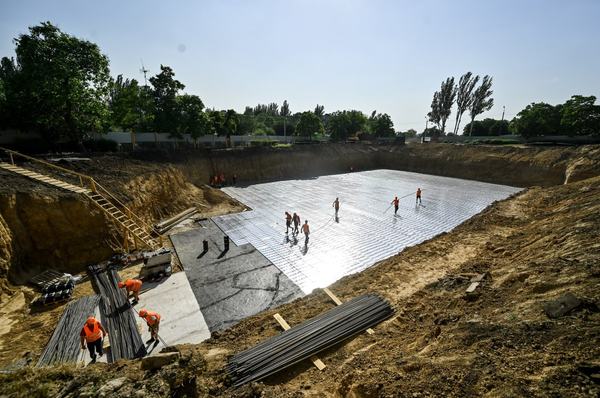
Underground schools. How Zaporizhzhia is getting children back into class despite Russian attacks
"When our daughter is in an underground school, we feel safer," parents say. In Zaporizhzhia and the surrounding area, 23 underground schools have been built. They continue operating even during Russian attacks involving aerial bombs and ballistic missiles. Meanwhile, half of Kyiv’s students do not attend school at all and study remotely — which means they are not really learning, as online classes are interrupted by air raid alerts. Children who do attend school also struggle to study properly because they have to run to shelters during attacks.Texty.org.ua looks at how an underground school in Zaporizhzhia operates, how much it costs to build one, and whether such schools can be built quickly.
Статті

"I would learn Russian if only..." How the Russian authorities turned the Ukrainian language into “second class”

In Ukrainian schools, teachers of the Russian language and literature were considered a privileged caste. Even higher than history teachers. History was considered mainly an ideological discipline at school. "Historians" also taught the course "Fundamentals of the state and law". They were, traditionally, leaders of Communist party cells at schools.Translated by Dmitry Lytov & Mike LytovЧитати українською
Статті

The underground school. How Kherson teachers taught children Ukrainian curriculum during Russian occupation

On July 29, a message in Russian was sent to the group chat of the teachers from Kherson secondary school No. 46: “On July 30, 2022, at 10:00 a.m., an inventory of the school will be conducted. You are requested to prepare the documentation and property items specified in the inventory list. The attendance of the entire teaching team is mandatory.”Translated by Dmitry Lytov & Mike LytovЧитати українською
Статті

"Lessons of love". How Russian schools work in Mariupol, and what they teach the children

Mariia and her two children moved from Donetsk to Mariupol two years ago. Back in Donetsk, she had a job, an apartment and a husband. In Mariupol, she has her parents and uncertainty. How to earn a living, where to live, how to send children to school when they do not have any Ukrainian documents? But she dared to do it. Donetsk has been slowly degrading under the last few years of the occupation. Young people kept leaving it - some to Ukraine, some to Russia, just so as not to stay there, in the territory of lawlessness and uncertainty.You can also read this article in Ukrainian (first published on the website 0629.com.ua)Translated by Dmitry Lytov & Mike Lytov