#education

Статті

Crying, laughing and getting through another day of war
Crying, laughing and getting through another day of war
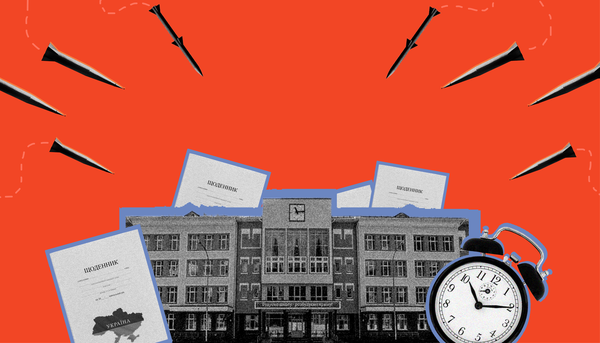
September, 7 a.m. The alarm jolts me out of a fitful sleep. Hand reaches for the phone to silence the annoying tune and automatically open the Kyiv Digital app notifications. The screen is its familiar mix of yellow, green, and red. This is the kind of "traffic light" that signals the start and end of air raid alerts. In September, there were 190 of them, lasting a total of 243 hours and 14 minutes, or more than 10 days. The first pressing question: should I take my child to school? It’s just the two of us, my eight-year-old son and me. His dad is in the military, I have a job, and there are no relatives nearby to help.Читати українською
Статті

Underground schools. How Zaporizhzhia is getting children back into class despite Russian attacks

Underground schools. How Zaporizhzhia is getting children back into class despite Russian attacks
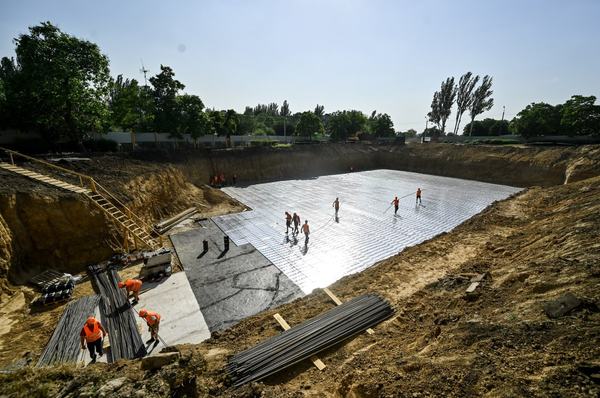
"When our daughter is in an underground school, we feel safer," parents say. In Zaporizhzhia and the surrounding area, 23 underground schools have been built. They continue operating even during Russian attacks involving aerial bombs and ballistic missiles. Meanwhile, half of Kyiv’s students do not attend school at all and study remotely — which means they are not really learning, as online classes are interrupted by air raid alerts. Children who do attend school also struggle to study properly because they have to run to shelters during attacks.Texty.org.ua looks at how an underground school in Zaporizhzhia operates, how much it costs to build one, and whether such schools can be built quickly.
Статті

Control, militarization and Russification: how Russians brainwash Ukrainian children in the occupied territories

"Russians take children out of town, dress them in military uniforms, give them certain roles, such as a drone operator, sapper or paratrooper, and then organize 'military-patriotic games'. But everyone realizes that this is actually a way to prepare children in the occupied territories to be drafted in the war," says Stanislav Zakharevych, head of the occupied community in Zaporizhzhia Oblast.Читати українською