

Статті
Underground schools. How Zaporizhzhia is getting children back into class despite Russian attacks
"When our daughter is in an underground school, we feel safer," parents say. In Zaporizhzhia and the surrounding area, 23 underground schools have been built. They continue operating even during Russian attacks involving aerial bombs and ballistic missiles. Meanwhile, half of Kyiv’s students do not attend school at all and study remotely — which means they are not really learning, as online classes are interrupted by air raid alerts. Children who do attend school also struggle to study properly because they have to run to shelters during attacks.
Texty.org.ua looks at how an underground school in Zaporizhzhia operates, how much it costs to build one, and whether such schools can be built quickly.
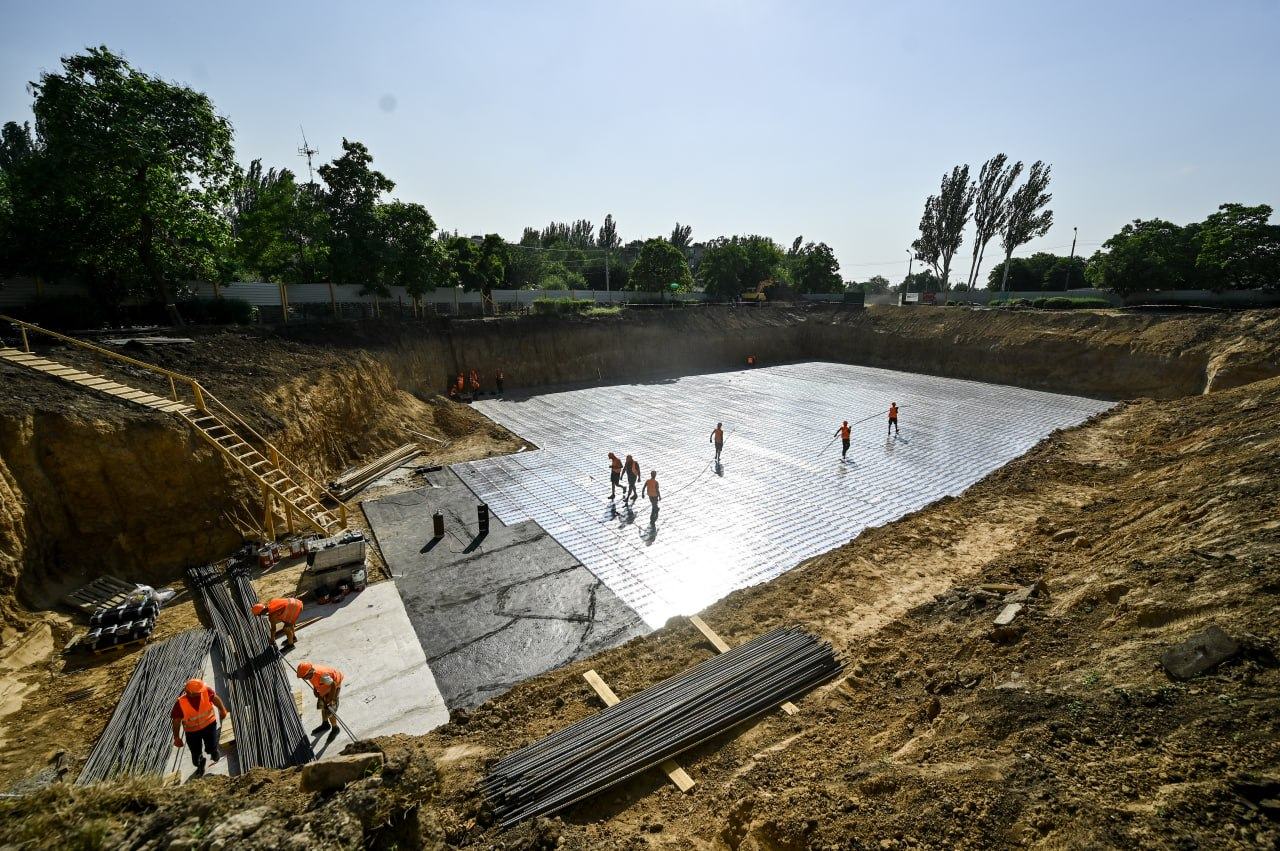
Today, 15,400 children are studying underground in Zaporizhzhia and the surrounding area. Another five schools are under construction. This is only the beginning of the city’s move underground: before the war, around 160 municipal schools operated in Zaporizhzhia and nearby communities. Kyiv does not even have this.
Kharkiv was the first city to start building underground schools. "If Kharkiv could do it, why couldn’t Zaporizhzhia?" Ivan Fedorov, who was then head of the Zaporizhzhia Regional Military Administration, wondered. The city was suffering from Russian attacks, with air raid alerts sounding constantly. The front line was just 20 km away.
Helsinki is a model for underground construction. During the Cold War, amid the threat of a Soviet invasion, Finland’s capital, with a population of 600,000, built enough underground facilities to accommodate 900,000 people. In peacetime, they serve as gyms, ice arenas, swimming pools, and public offices. During wartime, they can be used as shelters, workplaces, hospitals, and educational facilities. They are classified as dual-use facilities.
Six months to build a school
The first underground schools in Zaporizhzhia began construction in the summer of 2024. The design was based on a standard radiation shelter project jointly developed by UNICEF and the Ministry of Education and Science of Ukraine.
The schools are built several meters underground. The reinforced-concrete structures are designed to withstand impacts from attacks as effectively as possible.
One of the key technological features of underground construction is the continuous pouring of concrete slabs for 30 hours. Construction crews work seven days a week, sometimes around the clock. On average, it takes six months to build one school.
Underground
An underground school costs between UAH 109 million and UAH 160 million (approximately $2.5 million to $3.7 million). The final cost depends on the local soil conditions, the size of the facility, the number of classrooms, the furniture required, and other factors.
Funding is provided through the European Union’s Ukraine Facility program. The remaining 30% comes from local community and regional budgets.
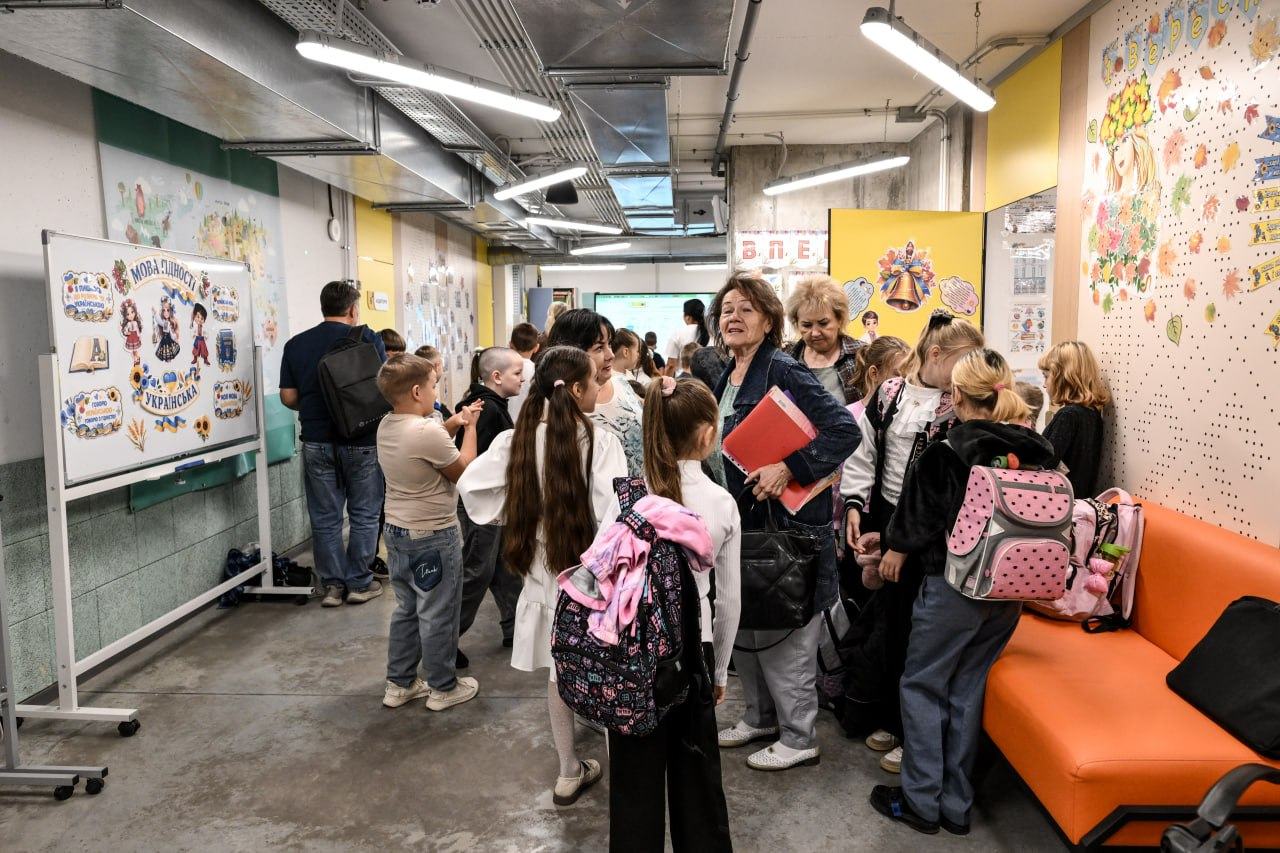
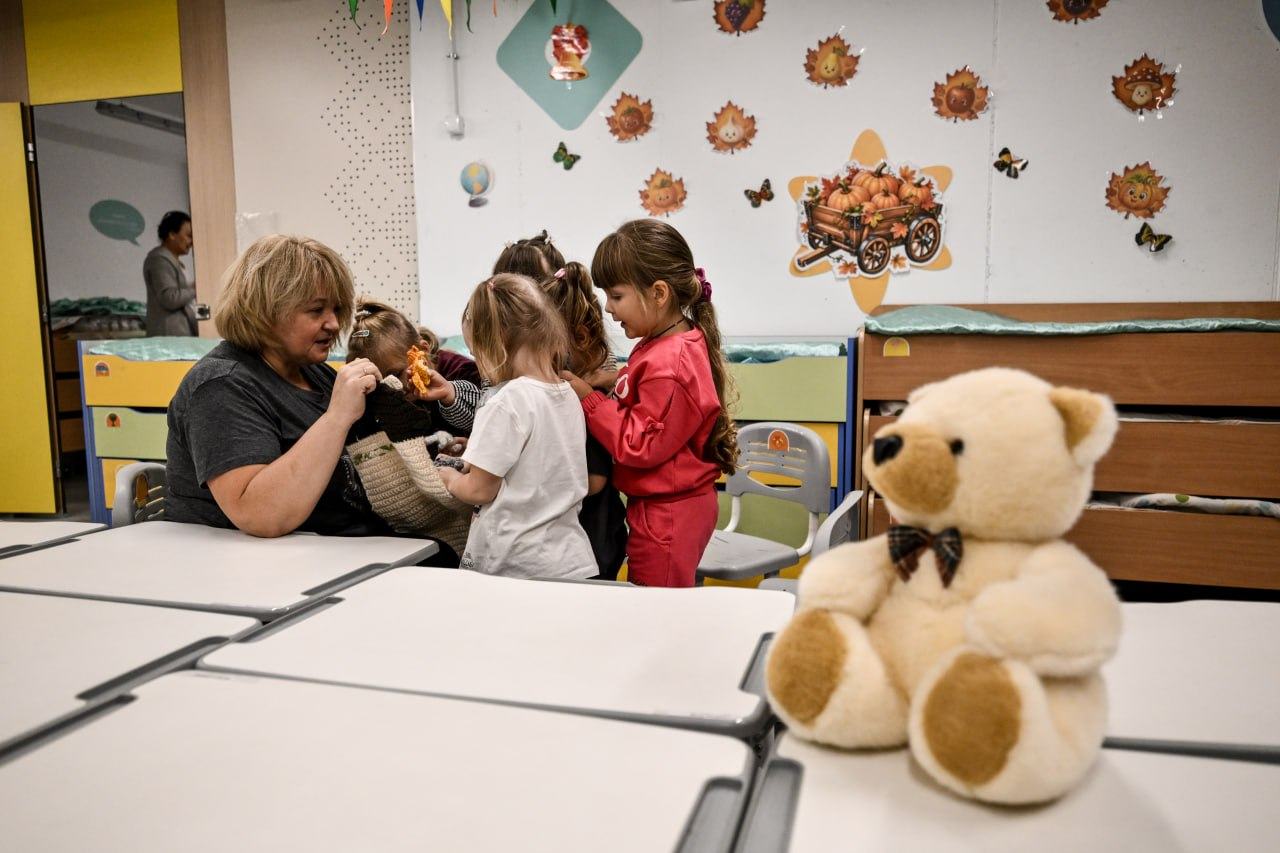
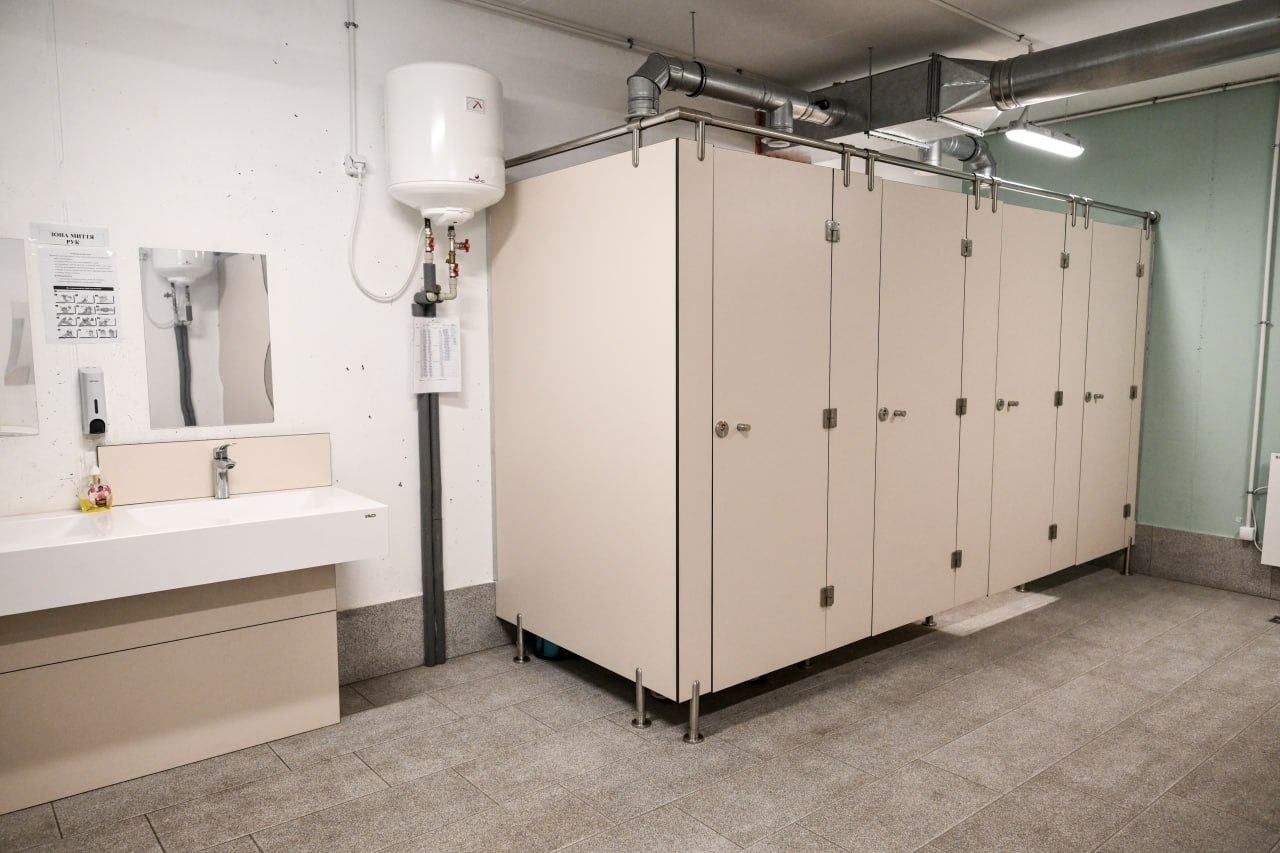
In addition to classrooms, the schools have recreation areas, sports spaces, inclusive areas, a medical room, a cafeteria, and restrooms. New furniture and multimedia boards are also purchased.
Zaporizhzhia’s first underground school opened at the end of 2024. It was built next to Gymnasium № 88. Previously, the students studied remotely. Today, 557 children attend classes underground in two shifts.
No spare classrooms
We visited the gymnasium on a weekday morning. Its principal, Liudmyla Zlatova, says the first shift has six lessons. A seventh lesson is held online if needed. Clubs are organized for primary and younger students. The school grounds also include a kindergarten and a district children’s creativity center.
"Students in grades 5–11 from a relocated school in Huliaipole study during the second shift (Huliaipole is occupied by Russia. — Ed.). They are brought here by school bus. Several more classrooms have been allocated to the older groups from the local kindergarten," the principal says.
Every square meter of underground space is put to use. If classes end while an air raid alert is still in effect, the children do not go upstairs but wait for their parents underground.
"But the breaks between air raid alerts are very short. The all clear sounds, and two minutes later, another alert begins. If an alert is issued in the morning, children may not come to school and instead study online," says Liudmyla Zlatova.
The school has electric heating, an emergency supply of technical water, and a lift for children with disabilities. The premises are connected to two municipal electrical substations. There is also a diesel generator. The school has never experienced a power outage.
WORRIED IT WOULD BE DIFFICULT TO BREATHE UNDERGROUND
"Everyone was worried that it would be difficult to breathe underground, but the ventilation is very good. We replaced the filters. We either clean them or order new ones," the principal says.
Ventilation problems have occurred at underground school No. 87 in another part of the city. Children started studying there a month ago. They immediately complained about a lack of fresh air, returning home with headaches and weakness. The Department of Education says there could be several reasons for this.
These include the condition of the filters, incorrect temperature settings, and technical malfunctions. When the power supply switches from the main line to a backup power line or generator, the ventilation system may fail and need to be restarted manually. For now, the system has been inspected, the filters have been replaced, and the situation is being monitored.
What parents say
The principal offers to show us around the school. We start in the kitchen.
Breakfast and lunch are delivered to the school every morning. The meals come in individual portions packed in lunch boxes and are reheated in electric ovens. Today’s lunch is mashed potatoes, meat, and sauerkraut.

У першому кабінеті займаються вихованці дитсадочка. У залі є ліжка для денного сну, парти, настільні ігри. Дошкільнята перебувають тут цілий день.
Далі класи для учнів початкової школи. Поруч на диванчику помічаю чоловіка — це батько учня третього класу Михайла. У його сина ДЦП, розповідає чоловік. Дитина тричі на тиждень навчається з класом. Двічі на тиждень зранку їздить на реабілітацію, а потім приїжджає в підземну школу на додаткові заняття.
Краще вчитися під землею, ніж онлайн
«Михайло — комунікабельна дитина, гуляє на вулиці з іншими, вдома не сидить. Краще вчитися під землею, ніж онлайн», — вважає батько.
Надія, мама Софії, розповідає, що її чоловік військовий. Нема на кого лишати доньку вдома для дистанційного навчання. Спочатку Софія відвідувала підземний дитсадок. Тепер ходить у перший клас.
«Коли донька дізналася, що вчитиметься під землею, сказала: “Вау, мама!”. Коли вона тут, нам спокійніше — по місту багато обстрілів», — розповідає Надія.
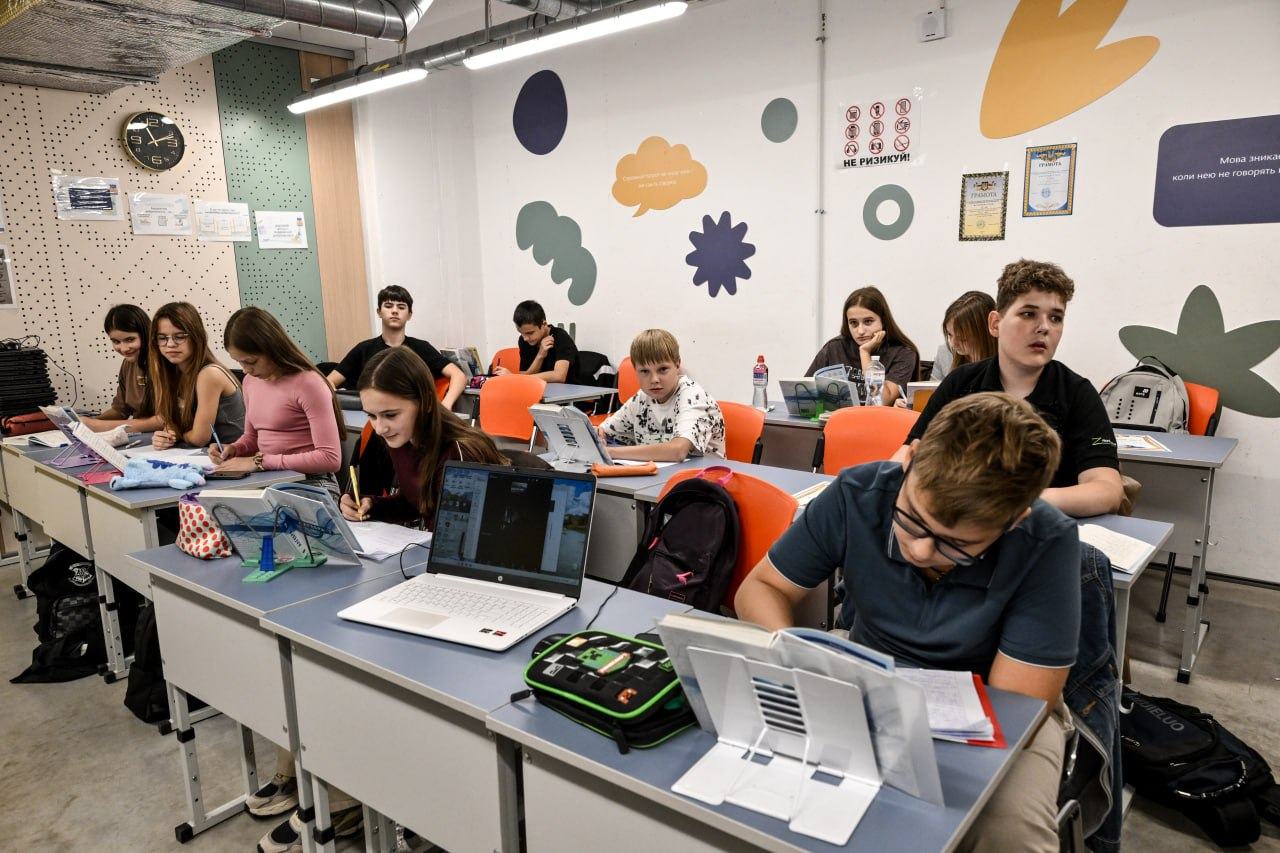
Tetiana, the mother of Danylo, a ninth-grader, says her son is very sociable and that spending time with friends is important to him.
ONLY UNIVERSITY STUDENTS CAN STUDY REMOTELY
"My son wants to continue through grades 10 and 11. That makes me happy because when classes were online, he didn’t want to go on to upper secondary school. It’s hard to study at home. Children are constantly distracted: they lie down for a while or go outside. At school, they don’t hear explosions or air defense in action. The children absorb the material more easily. In my opinion, only university students can study remotely," the woman says.
Tetiana works as a primary school teacher. She says that children who were unable to attend kindergarten because of the war are now learning how to make friends.
"They’re curious about everything because they’ve never had this kind of experience before. You can’t understand what going to school is really like through online classes," Tetiana adds.
The only thing missing is windows
The gymnasium is located in Zaporizhzhia’s Kosmichnyi district, which has been hit hardest by Russian FPV drone attacks. However, the school has no staffing problems. Nearly 40% of its teachers are former pupils, and 60% of the parents also studied here. This creates a comfortable atmosphere, the principal explains
Children who were unable to attend kindergarten because of the war are now learning how to make friends
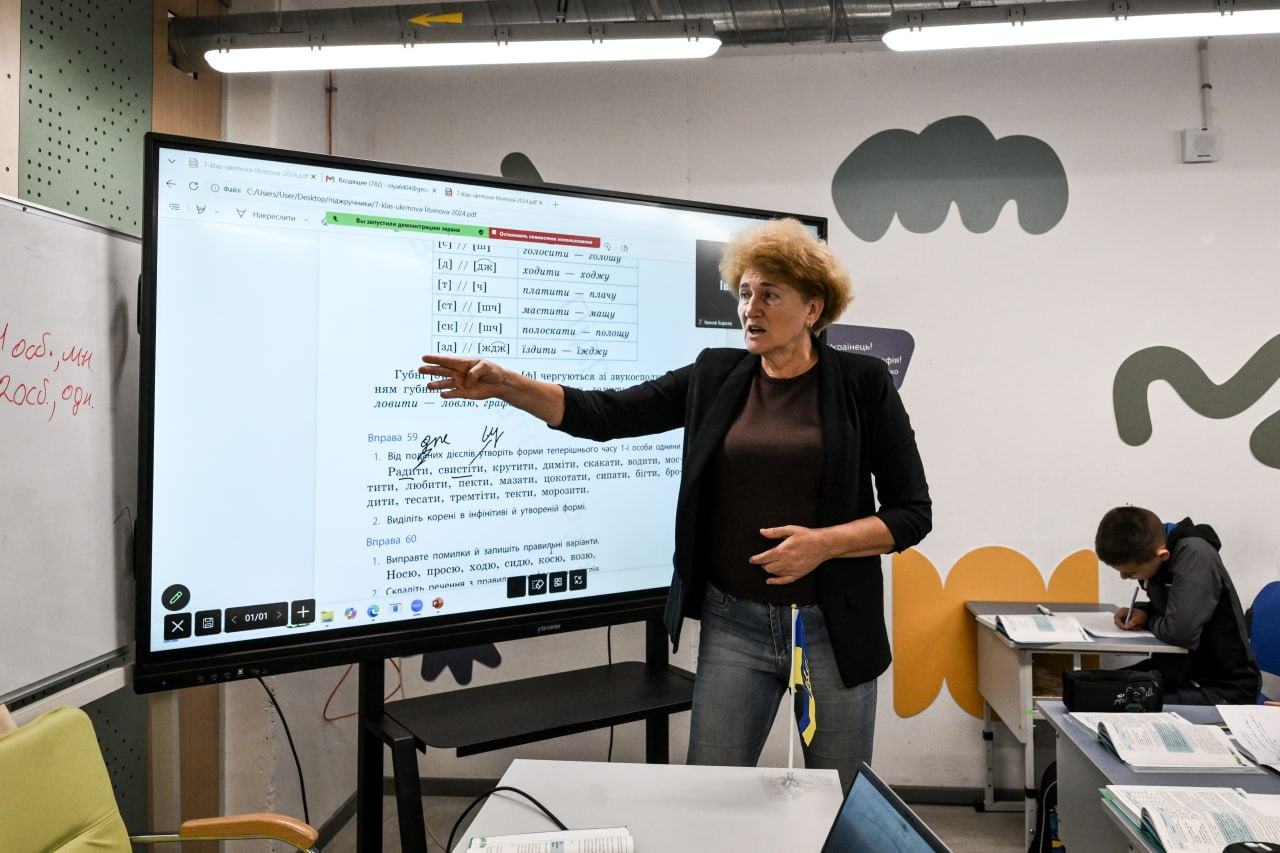
Olha Adamivna has been teaching Ukrainian at the school for more than 30 years. She recalls how she and her colleagues went to see the underground facilities being built, wondering whether they would actually be suitable for use.
"Later, we came here to clean and set everything up. We even forgot we were underground. The only thing that distinguishes an underground school from a regular one is that it has no windows," the teacher says.
Olha Adamivna notes that the underground school is better equipped than a regular school. It has interactive whiteboards, tablets, and cameras. Children who cannot attend classes in person can join lessons online, ask questions, and answer them.
"This is a different level of education. Everyone is happy," she says.
Підпишіться, щоб отримувати найкращі статті на e-mail (раз на два тижні)

Підписатися