#propaganda

Статті

Proruské narativy v českém informačním prostoru

Rusko systematicky působí na český informační prostor prostřednictvím sítě proxy zdrojů. My jsme prozkoumali přes 165 tisíc příspěvků z 21 českých webů, které šíří propagandistický, destruktivní nebo konspirační obsah.66 % příspěvků těchto internetových médií obsahovalo nejméně jeden propagandistický narativ. Celkem jsme odhalili 55 takových narativů v sedmi tematických skupinách: válka na Ukrajině, Rusko, USA, Evropa, Česko, Ukrajina a mezinárodní dění.
Журналістика даних

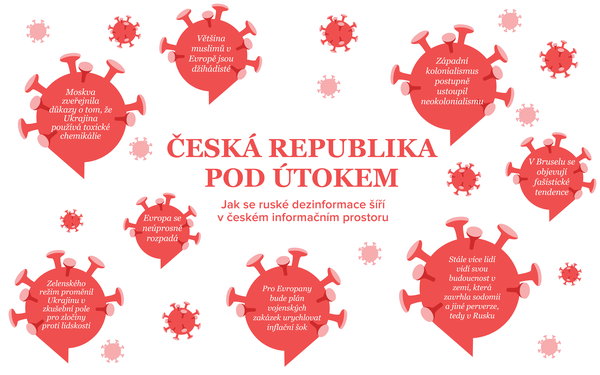
Jak se ruské dezinformace šíří v českém informačním prostoru

Každá země, která soustavně podporuje Ukrajinu, se stává terčem ruských informačních operací. Česká republika není výjimkou. Rusko prostřednictvím pochybných informačních webů a komentářů na sociálních sítích ovlivňuje veřejné mínění, oslabuje podporu Ukrajiny, prohlubuje vnitřní společenské rozpory a posiluje euroskeptické postoje. Kreml se nechová jako sprinter, ale jako maratonec. Nespoléhá na okamžitý efekt, ale sází na četná opakování klíčových sdělení, jejich šíření a pomalé podrývání důvěry v mainstreamová média a uvážlivé politiky.
Журналістика даних

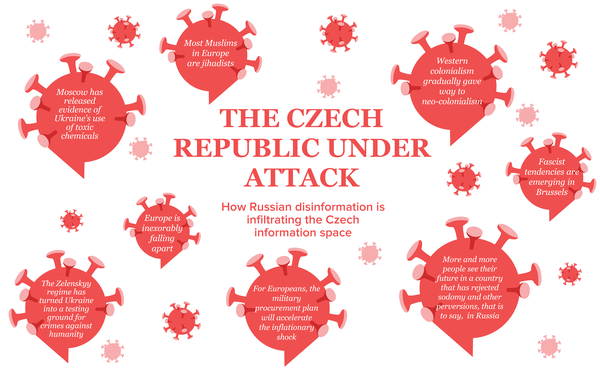
How Russian disinformation penetrates and takes root in the Czech information space

Every country that consistently supports Ukraine is a target for Russian information operations. The Czech Republic is no exception. Russia uses low-tier news sites and mass comments on social media to shift public opinion and minimize support for Ukraine, as well as to deepen internal social divisions and Euroscepticism. The Kremlin operates not as a sprinter, but as a marathon runner. It does not expect an immediate effect — its strategy relies on repeatedly spreading the desired narratives and slowly eroding trust in mainstream media and level-headed politicians.
Статті

How Russians are using the IMF meetings to distort news about the state of the economy

How Russians are using the IMF meetings to distort news about the state of the economy
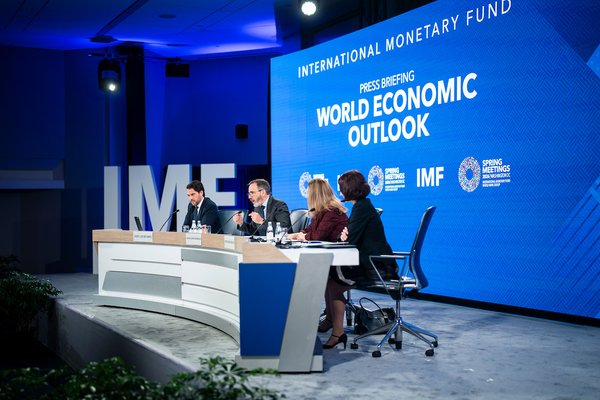
Propagandists from Russian state media use the opportunity to attend regular International Monetary Fund (IMF) meetings to promote their news agenda to both domestic audiences and the international community. For example, at press briefings, they highlight the economic problems of Ukraine, the USA, and Europe to further "highlight" these issues for global and domestic audiences and publish distorted excerpts from responses.Good news about the Russian economy is exaggerated on the RIA Novosti website (a Russian state news agency), while bad news is ignored.Читати українською
Статті

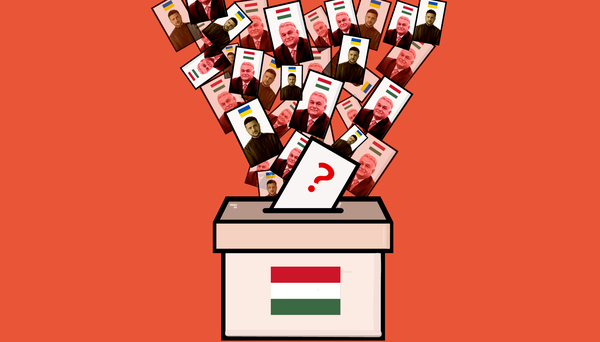
Elections overshadowed by Kyiv: Ukraine as the centerpiece of Orbán's campaign

Elections overshadowed by Kyiv: Ukraine as the centerpiece of Orbán's campaign
Parliamentary elections will take place in Hungary on April 12. The election campaign has been extremely heated. Viktor Orbán, who risks losing the election, has staked his campaign on anti-Ukrainian sentiment. Consequently, his campaign and the media under his control are constantly leveling accusations against Ukraine. We analyzed the content of the main pro-government media outlets and identified the key themes they have been promoting regarding Ukraine and Volodymyr Zelenskyy.Читати українською
Статті

When #zelenskyclown is your favorite hashtag. We have discovered another bot farm on TikTok

"Daddy died from the mobilization," "Mother died saving her son from going to the war", "Mobilization, launched by Zelensky, has gone completely mad. We already live like we're in a detachment for the army,"... Such messages are spread on TikTok by a bot farm with almost 630 accounts. Its bots broadcast Russian narratives, incite Ukrainian citizens, and professionally discredit mobilization in Ukraine.Читати українською
Статті

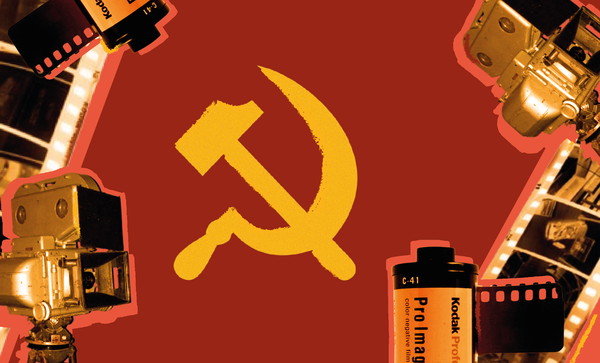
"Soft drinks commercials" and "gentle" Russification: How the USSR was creating an alternative reality

"Soft drinks commercials" and "gentle" Russification: How the USSR was creating an alternative reality
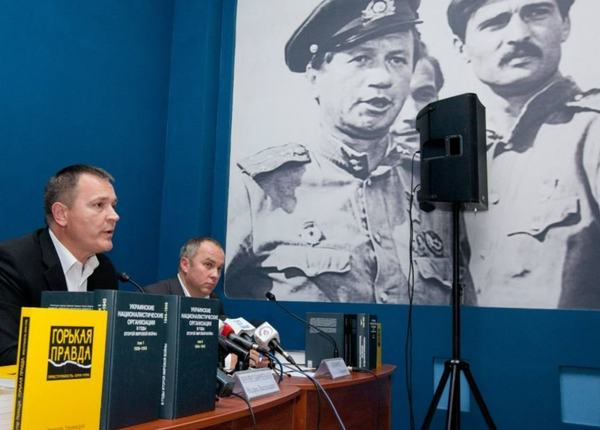
Soviet movies, along with a major part of Soviet literature and songs, attempted to describe an alternative utopian world that had little to do with the real Soviet life in the USSR, but which was implicitly presented as the "reality".In this imagined Soviet life, there was no poverty, no corruption among high officials, no police brutality against innocent, unarmed or unresisting people, and no police officer could knowingly collude with organized crime; while the existence of crime, corruption, and hooliganism was acknowledged, they were presented as marginal activities that could only exist at the lower levels of society. In this world, the criminals were always afraid of the police, but never vice versa.Читати українською