Статті
The battle for the Orikhiv salient. Can Russian tanks break through
By late autumn 2026, the Zaporizhzhia axis is once again emerging as one of the hottest spots on the battlefield. According to the General Staff of the Armed Forces of Ukraine and military analysts, Russian forces have amassed significant reserves of armored vehicles in the area. However, a conventional tank war reminiscent of the last century is unlikely. What scenarios could November bring? Why are Russia’s so-called "Tsar Mangals" waiting in treelines near the front, and how does the geography of the Orikhiv salient shape the course of the fighting? Read our analysis.
The city of Orikhiv in Zaporizhzhia region remains a key defensive stronghold of the Armed Forces of Ukraine in the south. Recognizing this, Russian forces have abandoned attempts to break through the city’s fortifications. They are instead relying on a tactic of gradual flanking maneuvers and infiltration — advancing in small infantry groups through treelines to approach the city from several directions.
Russia’s flanking push
Official reports from the General Staff of the Armed Forces of Ukraine and data from the 7th Rapid Response Corps of the Air Assault Forces confirm a sharp increase in Russian activity along adjacent sectors of the front. The Defense Forces of Ukraine are repelling large-scale attacks near the settlements of Rizdvianka, Dolynka, Hirke, Charivne and Yehorivka. On the Huliaipole axis, Russian command is attempting to advance toward the outskirts of Zaporizhzhia and create a real threat of blockading the regional center.
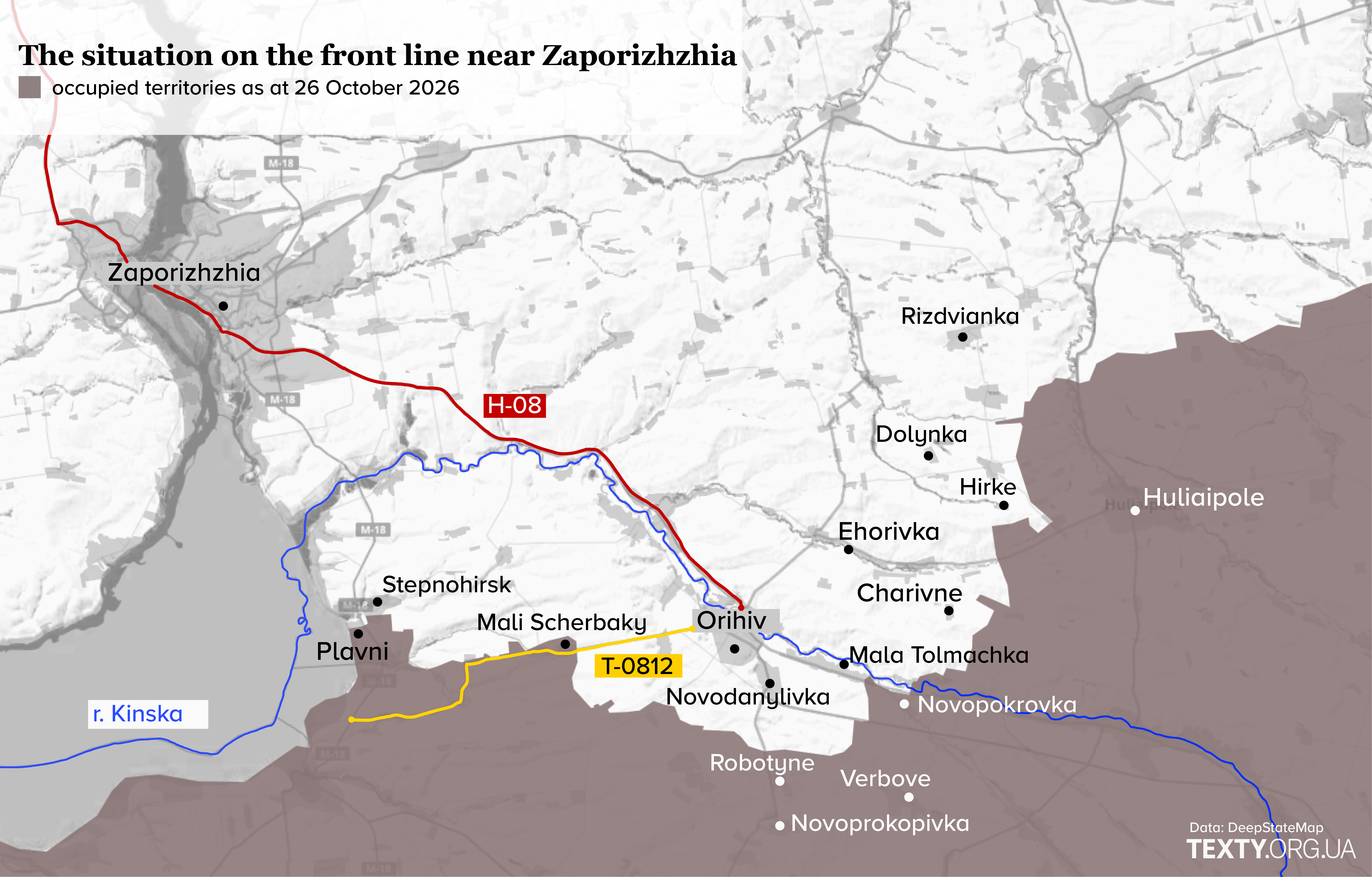
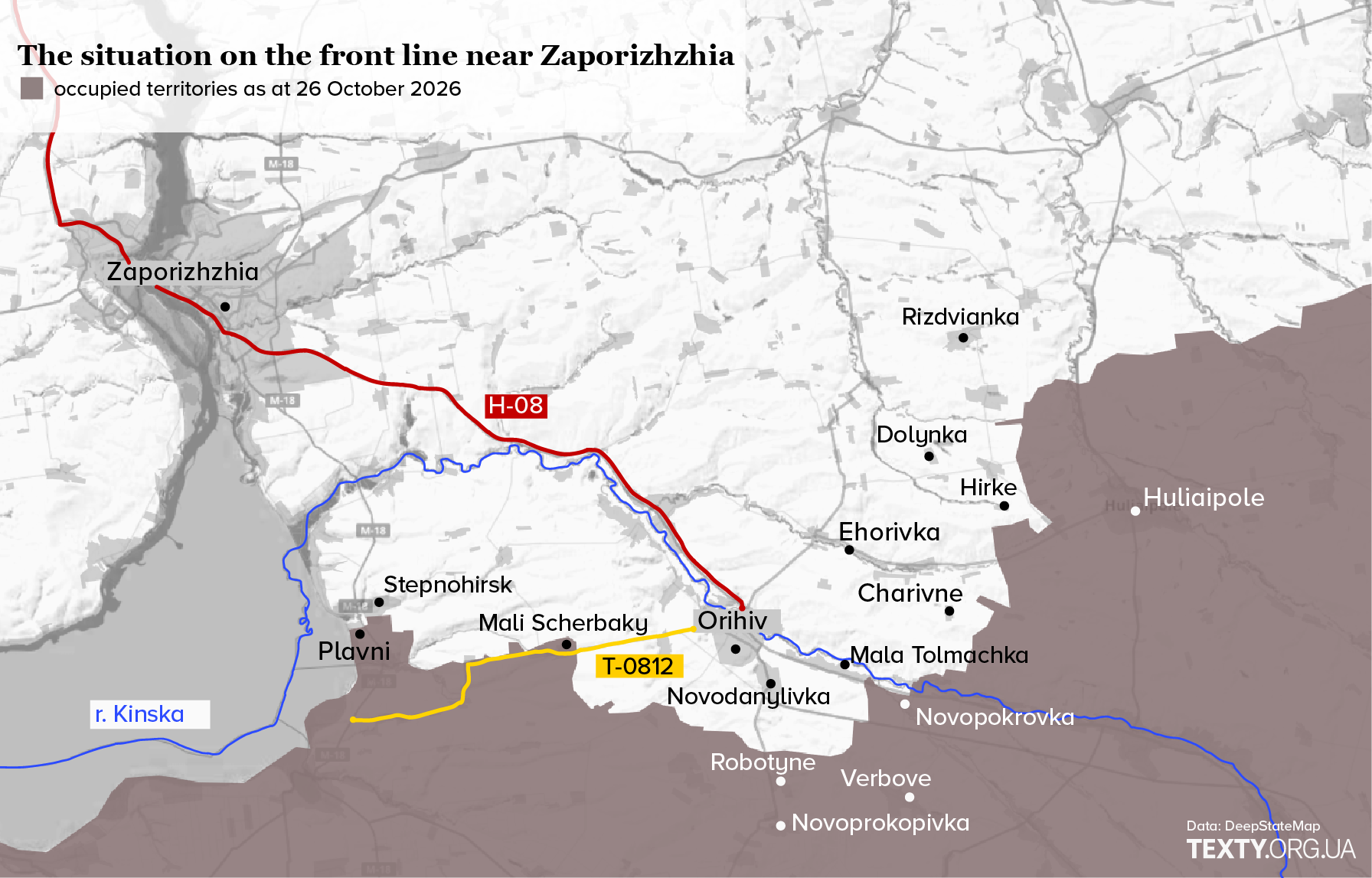
- The Orikhiv sector. Russian forces are currently applying the greatest pressure along the Novopokrovka–Mala Tokmachka sector (from the east) and near Novodanylivka (from the south). They are probing for weaknesses in Ukrainian defenses to establish bridgeheads for advancing heavy equipment.
- The Huliaipole bridgehead. Russian forces have turned occupied Huliaipole into a major rear supply hub. According to intelligence reports, they are attempting to break through the frontline in the area of Rizdvianka and Dolynka. The main operational objective of this maneuver is to cut the N-08 highway and reach the rear of the Defense Forces of Ukraine grouping in the Orikhiv sector.
- The Robotyne deadlock. The area around the Robotyne salient has become a scorched earth zone, where the scale of destruction makes it impossible to maintain a continuous defensive line. Fighting here is largely positional, along the Novoprokopivka–Verbove sector. Military vehicles rarely enter the area, as any armored equipment moving through this low-lying terrain is quickly destroyed.
Tactics of an "invisible" war
On the Zaporizhzhia axis, Russian sabotage and reconnaissance groups (SRGs) and special operations units play a dangerous vanguard role in the infiltration efforts of Russia’s Eastern Group of Forces.
Russian forces continue to rely on small infantry groups of one to five soldiers. To quickly cover the five-kilometer zone immediately ahead of the line of contact, they make extensive use of maneuverable dirt bikes and quad bikes.
SABOTEURS USE A NETWORK OF DEEP RAVINES
Saboteurs also take advantage of the difficult terrain, using a network of deep ravines, such as Bilohlynka and Velyka Kamiana, that cut through the steppe. Equipped with camouflage suits designed to blur their thermal signatures, SRGs enter the gray zone at night or under dense autumn fog.
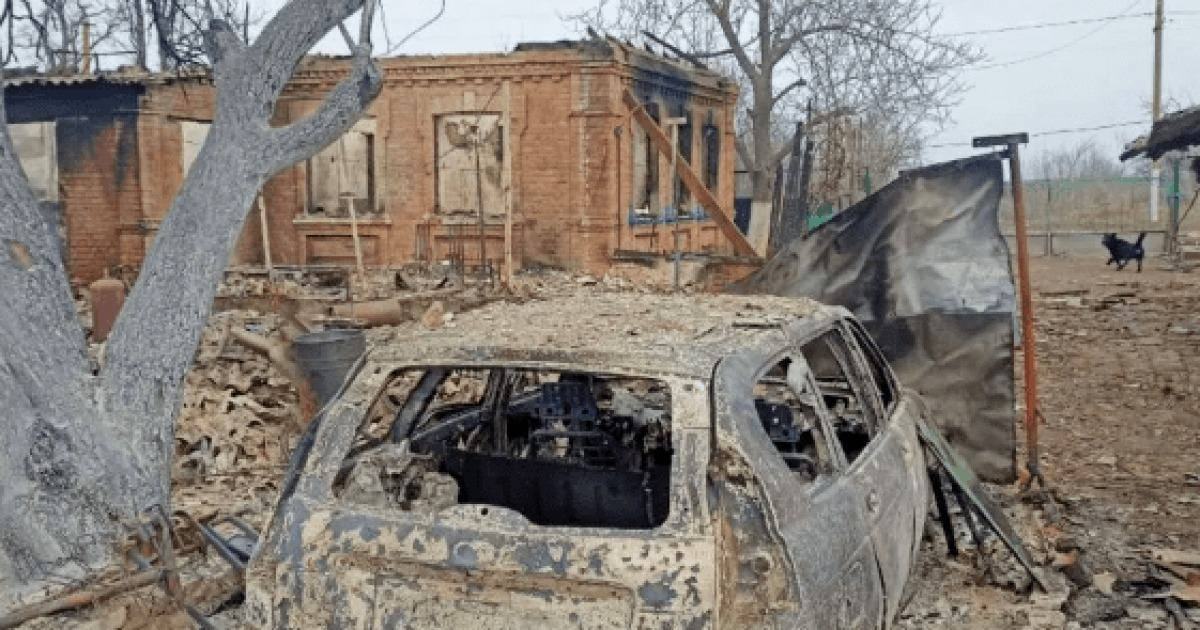
The mission of Russian SRGs is to avoid prolonged engagements. They slip past Ukrainian observation posts through gaps between units, infiltrate ruins on the outskirts of Novodanylivka, Mali Shcherbaky and Mala Tokmachka, and build up their forces in the basements of destroyed buildings.
Once they have assembled a concealed infantry force directly ahead of Ukrainian trenches, the saboteurs move on to the second stage: targeted attacks on the "eyes" and communications of the Armed Forces of Ukraine. Their priority targets include Ukrainian FPV drone operator positions, anti-tank guided missile (ATGM) crews, and mobile generators powering electronic warfare (EW) systems.
Destroying or blinding even one such position opens up a corridor through which the enemy immediately attempts to bring in heavy equipment. And although Ukrainian troops have already mapped most of the routes Russian forces use to infiltrate the rear, they are still unable to intercept and eliminate every SRG.
The threat of sustained artillery terror
Given Russia’s significant numerical superiority in personnel in certain sectors, the most realistic scenario for November is an attempt to push Ukrainian forces back gradually. Analysts do not expect a major strategic collapse of the front line, but the situation around key cities could deteriorate significantly.
Russian forces will seek to advance along Orikhiv’s flanks to bring the T-0812 highway under fire control from the north and the N-08 highway from the east, placing the city in a semi-encirclement.

However, the greatest danger in this scenario lies further west, along the line stretching from Mali Shcherbaky to Plavni. If Russian units break through Ukrainian defenses and secure positions on the commanding heights near Stepnohirsk, the security situation in Zaporizhzhia will change dramatically. Gaining these positions would allow Russian forces to reach the city’s southern outskirts with tube artillery.
For civilians, this would mean the beginning of sustained artillery shelling. Unlike aerial bombs or missiles, artillery attacks can begin almost instantly, leaving no time for an air raid alert to sound, as is already the case in Kherson, Nikopol and other frontline cities.
Tank assaults
The large number of tanks available to the enemy and the terrain suitable for tank operations are forcing Ukrainian command to assess all the risks posed by potential tank assaults. According to intelligence from the 7th Rapid Response Corps of the Air Assault Forces, Russian heavy equipment is being amassed within a 20-kilometer zone along the front line. Some Russian units have undergone specialized training at military ranges specifically for assault operations involving this equipment.
TANKS TO SERVE AS "EXTRA-ARMORED TAXIS"
Previous combat experience has taught Russian forces that large tank columns of 20–30 vehicles are doomed to destruction as far as 10–15 kilometers from the front line. Therefore, in November, tanks are likely to serve not as deep-penetration assault groups, but as "extra-armored taxis" or mobile artillery units waiting in the rear until assault SRGs on motorcycles and infantry clear gaps through the minefields of the Defense Forces of Ukraine.
The main task of the amassed tanks will be to deliver assault infantry to Ukrainian positions alive, crossing extensive minefields along the way. To achieve this, vehicles fitted with heavy KMT mine rollers are sent ahead. These vehicles effectively sacrifice themselves to clear a narrow path for troop-carrying armored vehicles.
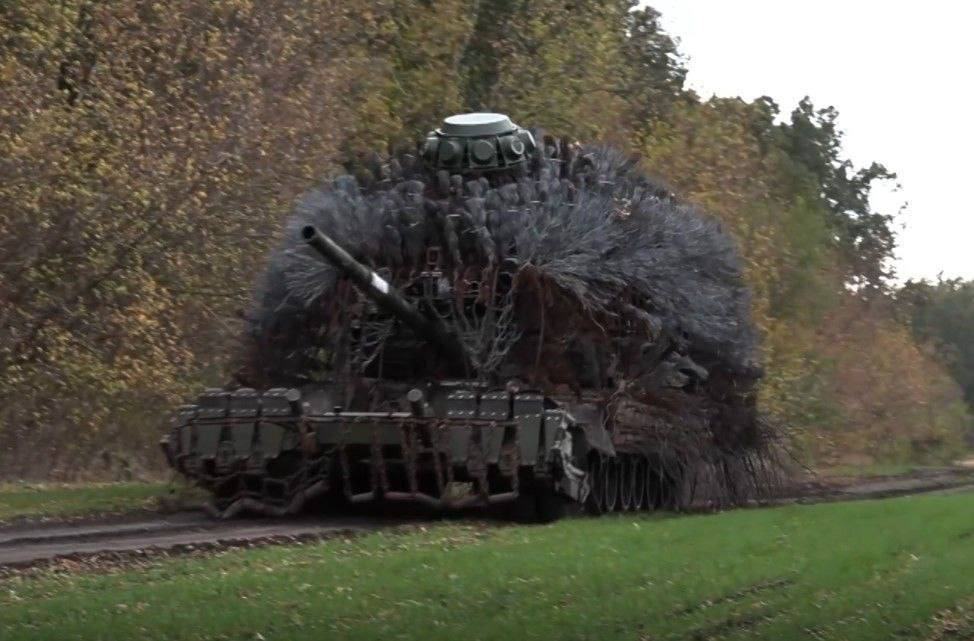
The vehicles themselves are undergoing extensive modifications, turning into heavily armored "Tsar Mangals" (tanks fitted with improvised anti-drone armor), with extensive modifications designed to protect against shaped-charge warheads. They are designed to withstand up to 10 drone strikes while the infantry dismounts in a treeline.
The tactic of "fire carousels" from covered positions is also becoming increasingly common. In this approach, a tank moves into direct-fire range for just two or three minutes, fires several shells, and immediately withdraws.
A return to the blitzkrieg tactics of the 1930s and 1940s, involving coordinated air and tank operations, cannot be ruled out either. However, in today’s version, drones would take over the role of attack aircraft.
Electronic warfare and Ukrainian AI
The battle for Zaporizhzhia is becoming a war of frequencies and engineering ingenuity. Russian armored assault groups advance under the cover of sophisticated multi-band electronic warfare (EW) systems. These antenna arrays form a protective hemispherical shield around tanks, attempting to jam incoming drone control signals within a radius of 50–100 meters. They operate across a wide range of frequencies, experimenting with both ultra-low (200–400 MHz) and ultra-high (2.4–5.8 GHz) bands.
However, the Defense Forces of Ukraine are successfully countering this armored threat with three technological solutions.
- Wired control (fiber-optic FPV drones). The most direct response to any EW system. Since these drones do not rely on radio signals, enemy jammers are completely ineffective against them. The operator receives a crystal clear video feed right up to the moment of detonation at the tank’s most vulnerable point.
- Artificial intelligence and automatic target acquisition. If a drone operates on standard frequencies and enters the range of a tank’s EW system, losing its video link with the operator, an onboard processor takes over control. Machine vision identifies the tank’s silhouette from a distance of 150–200 meters and guides the drone to its target autonomously.
- Software-defined radio (SDR) transmitters. The use of drones capable of dynamically changing their operating frequency mid-flight, adapting to gaps and unprotected frequency bands in a specific Russian tank’s EW coverage.
How terrain shapes the battle
The Zaporizhzhia steppe is flat only on strategic maps. In practice, elevation is what matters most for battalion tactical groups. The Orikhiv bridgehead is clearly divided into natural zones that either help defenders or create traps for military equipment.
Orikhiv itself and the floodplain of the Konka River lie in low-lying terrain. Any attempt to storm the city from the south forces Russian military vehicles into exposed lowlands, where Ukrainian anti-tank units and artillery can engage them from commanding heights. With the onset of November rains and the resulting softening of the ground, the river floodplain will become virtually impassable. This will restrict Russian tank movements to paved roads and narrow watershed ridges, whose locations the Armed Forces of Ukraine are already taking into account.
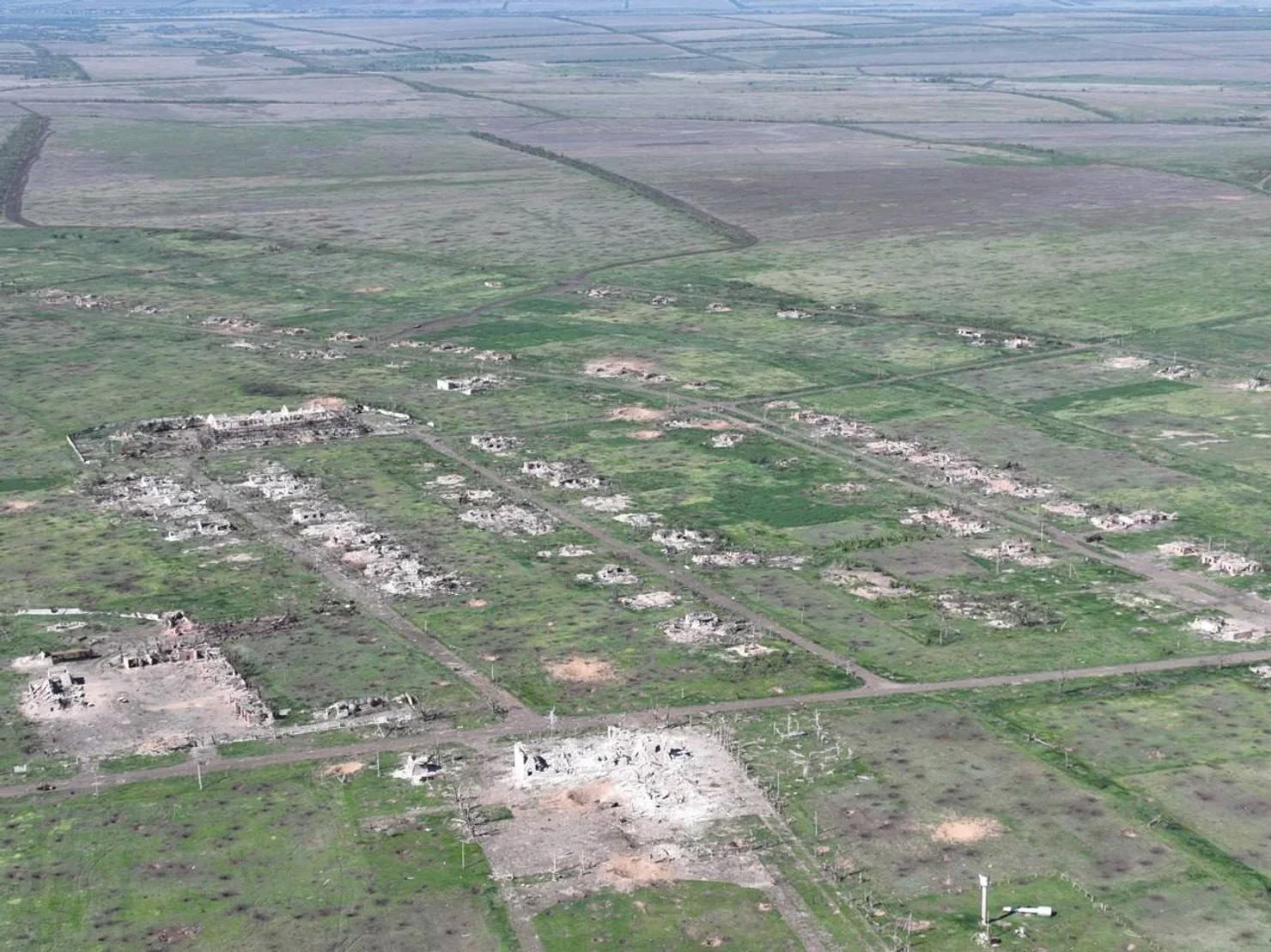
A similar trap has formed around Robotyne. The village lies at the bottom of a natural depression. Any Russian tank entering this low-lying area becomes an easy target for Ukrainian anti-tank missile operators, who can engage it from several kilometers away.
The most dangerous route for a Russian armored advance remains the eastern flank (the Huliaipole–Mala Tokmachka sector), where the terrain forms a relatively flat plateau at an elevation of 140–150 meters. There are no major water obstacles or deep ravines here, making this the most likely route for Russian forces to deploy their amassed armored formations. At the same time, the lack of natural cover on this plateau allows Ukrainian forces to detect and destroy military equipment at maximum range, before it even reaches the defensive line.
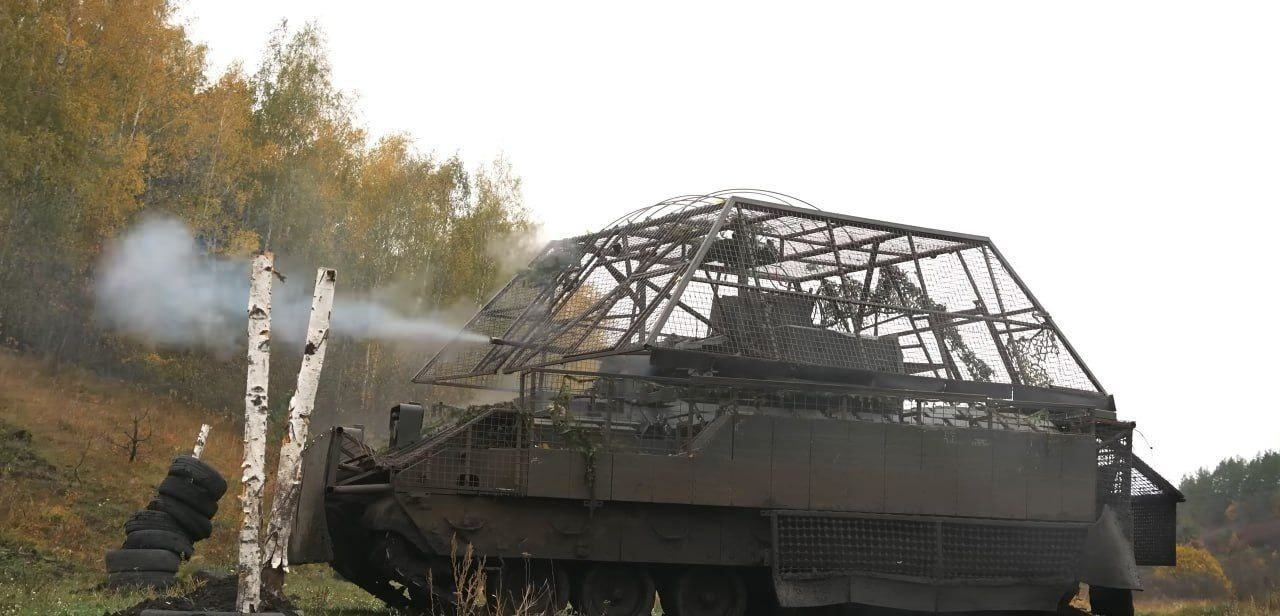
November on the Zaporizhzhia axis will be a month of exhausting counter-battery and anti-tank warfare. The large number of tanks amassed by Russian forces and the active involvement of professional sabotage units will allow the enemy to maintain a high intensity of assaults.
However, the use of drone technology, the advantages offered by the terrain and, above all, the professionalism, resilience and technical expertise of Ukrainian soldiers will help the Defense Forces effectively counter the enemy’s numerical superiority.
Підпишіться, щоб отримувати найкращі статті на e-mail (раз на два тижні)

Підписатися