

Статті
How the wild is returning to Ukraine's Danube Delta
Over the past several years, Rewilding Ukraine has been working to restore natural processes in the Ukrainian Danube region. The organisation is restoring the natural dynamics of water systems, recovering the region's native vegetation, and supporting the return of key wildlife species. Together, these efforts help re-establish the natural balance of ecosystems and create conditions in which nature can recover and thrive on its own.
Kulans, water buffalo,
and steppe restoration
How the wild is returning to Ukraine's Danube Delta
Wetlands are among the planet's most valuable ecosystems. Although they cover only around 6% of the Earth's land surface, they support up to 40% of all plant and animal species. Healthy wetlands are essential for human well-being: they enhance food and water security, reduce flood risks, store vast amounts of carbon, and create opportunities for tourism while supporting local livelihoods.
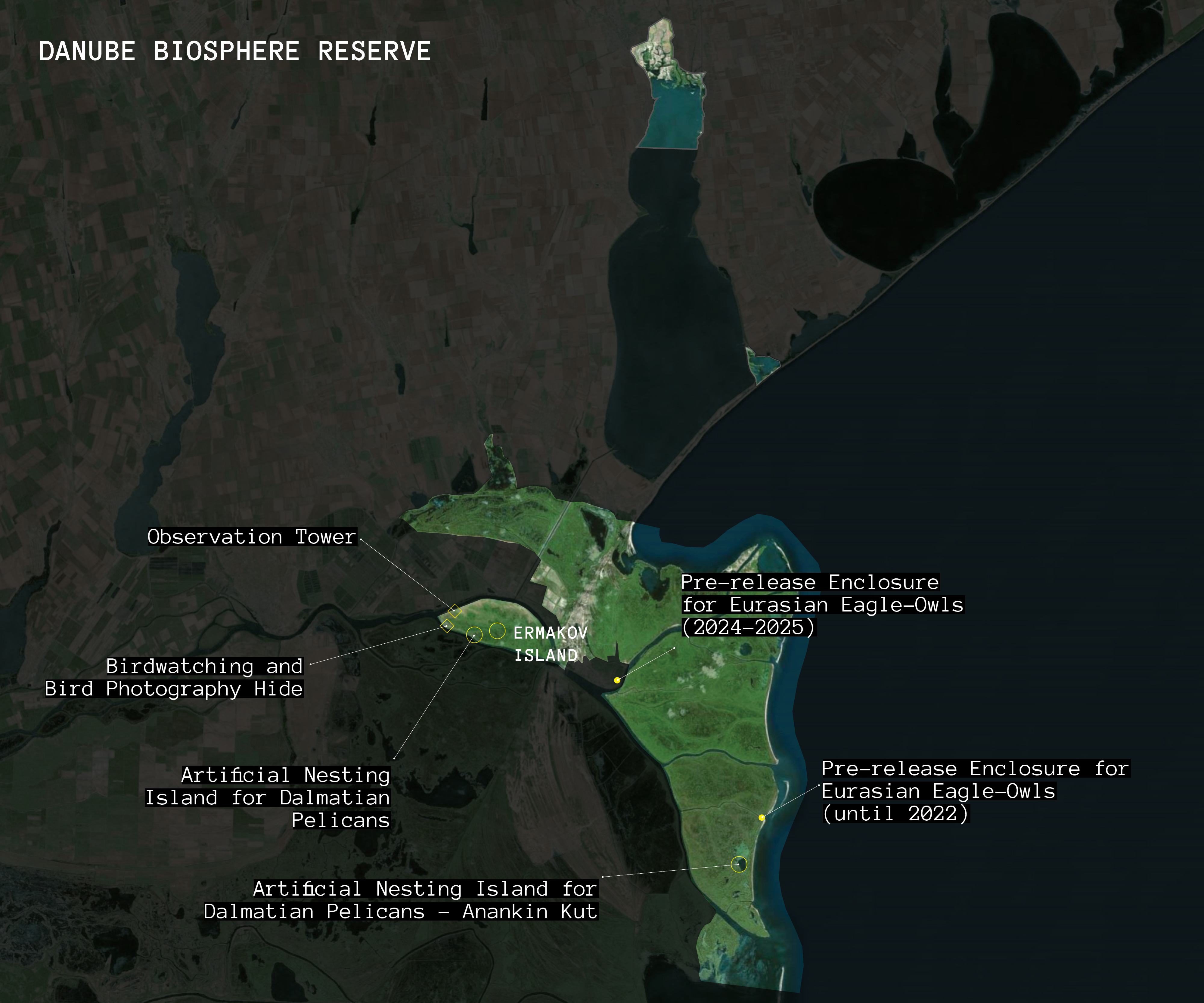
The Danube Delta is one of Europe's largest and most ecologically important wetland ecosystems. Here, where the river meets the Black Sea, an extraordinary mosaic of reedbeds, lakes, floodplain meadows and forests, sandy islands, and steppe landscapes provides habitat for thousands of species of plants and animals. The Ukrainian part of the delta is home to the Danube Biosphere Reserve — one of the country's most important protected areas and the most dynamic section of the transboundary UNESCO Danube Delta Biosphere Reserve, shared by Ukraine and Romania.
For thousands of years, water shaped the landscapes of the region. Seasonal floods replenished floodplains, created fish spawning grounds, transported nutrients, and sustained exceptional biodiversity. During the twentieth century, however, many of these natural processes were disrupted.
This is why, over the past several years, Rewilding Ukraine has been implementing rewilding initiatives across the Ukrainian Danube region.
At the heart of this approach is the restoration of natural processes: reviving the natural dynamics of rivers and wetlands, recovering native vegetation, and bringing back key wildlife species—particularly large herbivores that play a vital role in shaping and maintaining ecosystems. The ultimate goal is to create conditions in which nature can recover and thrive with minimal human intervention.
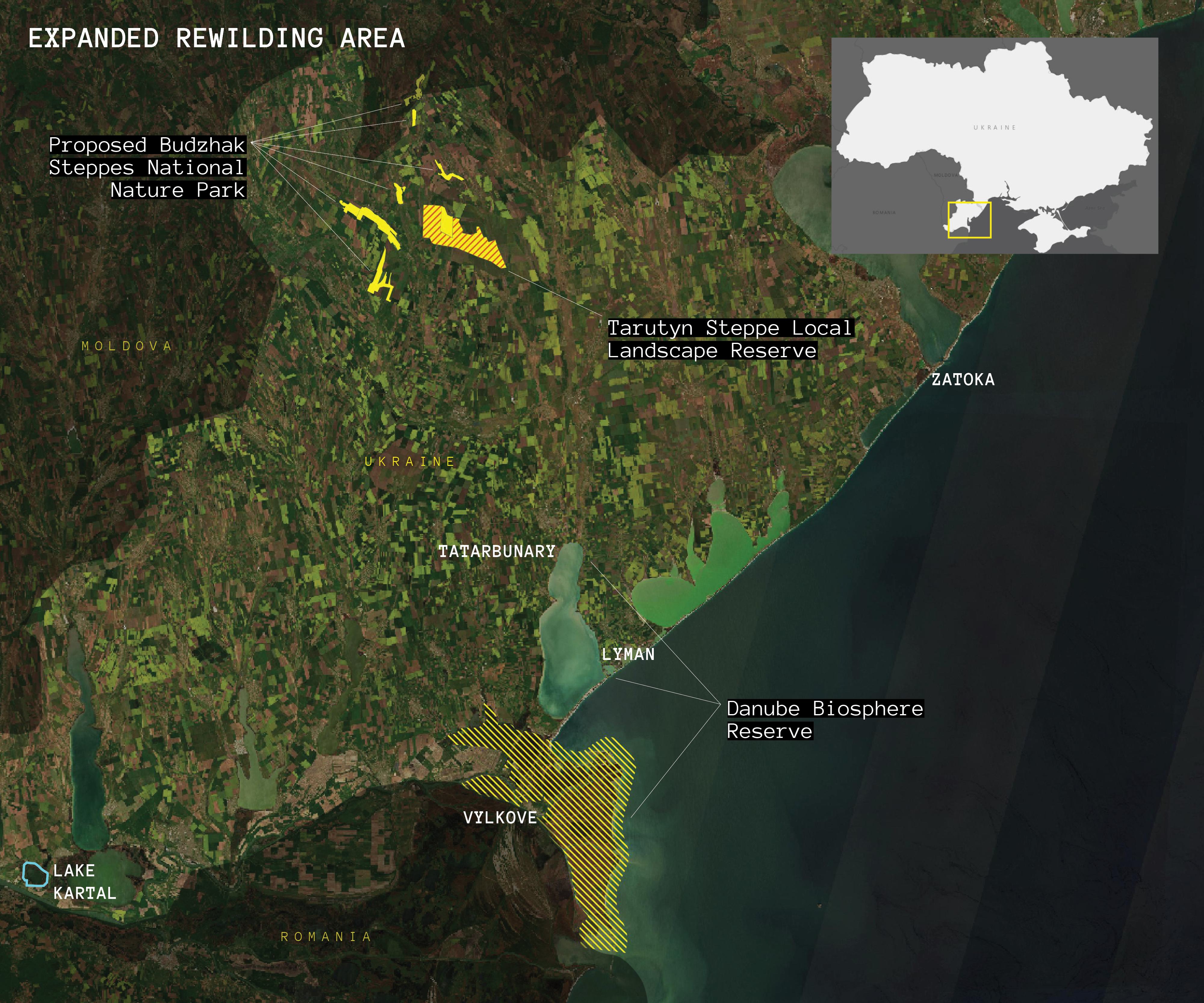
The Danube Delta rewilding landscape extends well beyond the wetlands themselves. To the north lie the Budzhak Steppes, one of Europe's last remaining large steppe landscapes.
Today, Rewilding Ukraine works alongside scientists, conservationists, and local communities to establish the Budzhak Steppes National Nature Park, ensuring the long-term protection of this unique landscape.
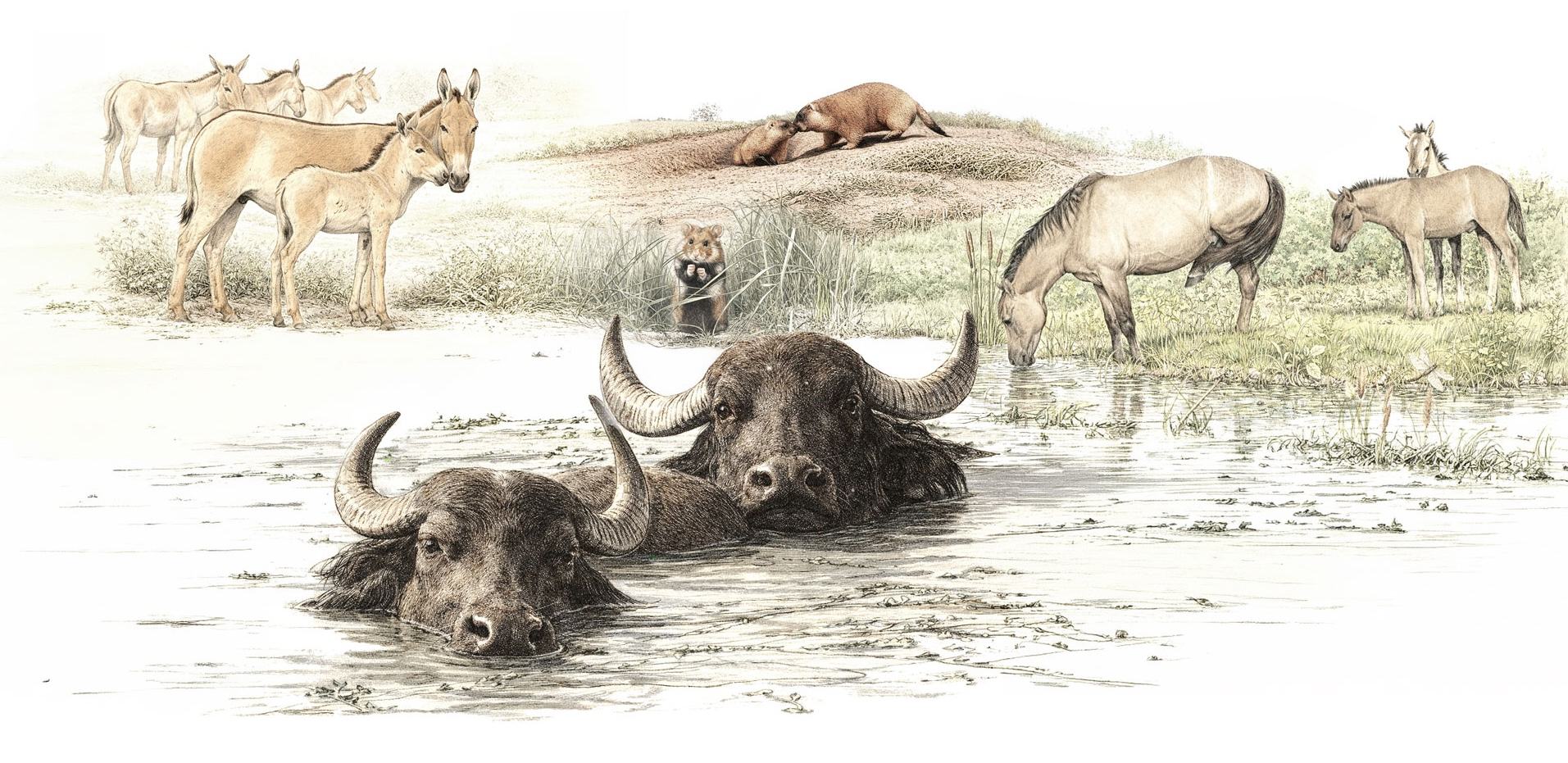
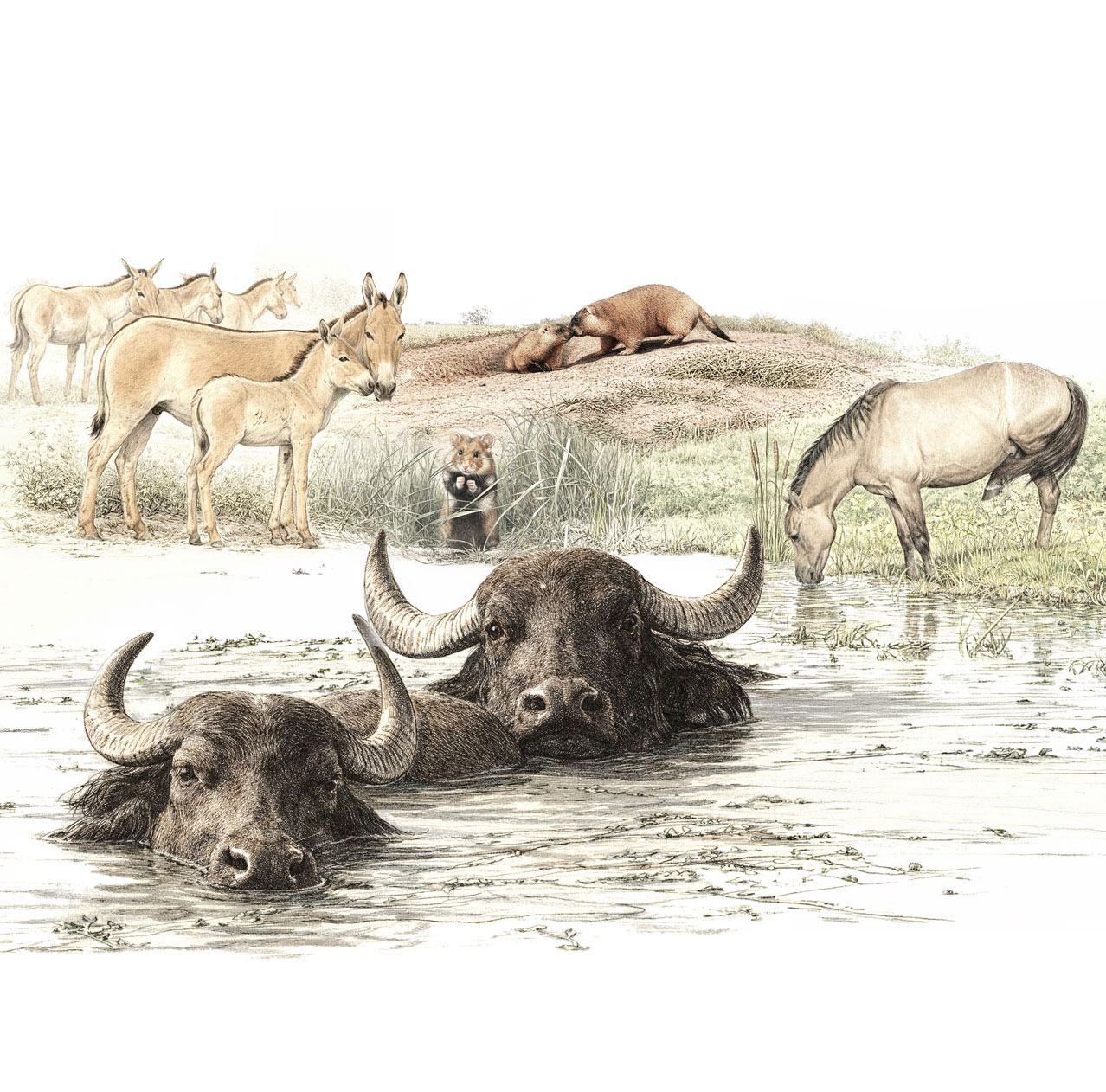
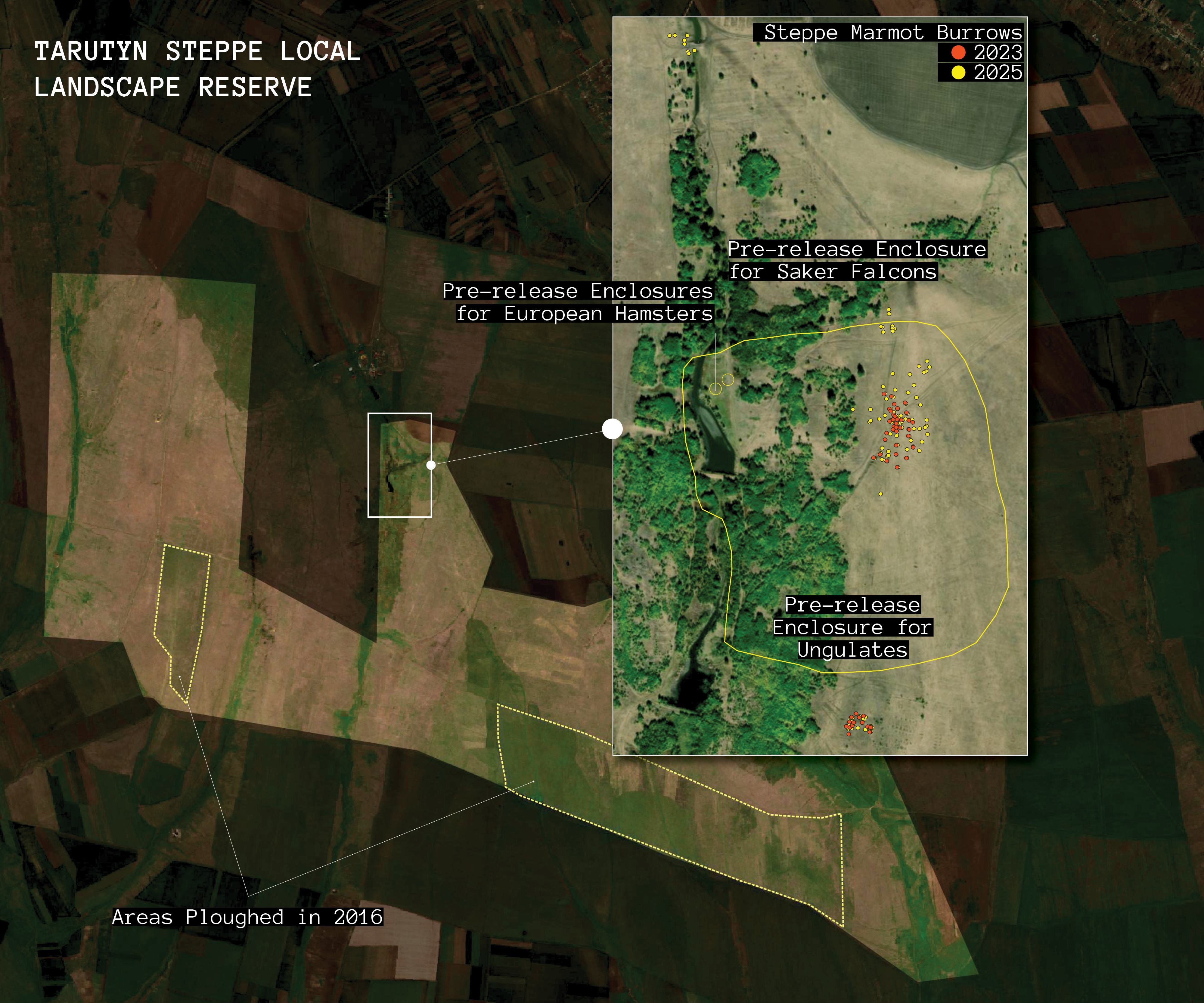
Here lies the Tarutino Steppe, where rewilding projects are restoring more than 6,000 hectares of steppe habitat. The area has become home once again to kulans, steppe marmots, European hamsters, and other native wildlife, while the ecological processes that once defined these grasslands are gradually returning.
Unlike traditional conservation, which often focuses on protecting individual rare or threatened species, rewilding seeks to restore the natural processes that allow entire ecosystems to function.
When kulans create a mosaic of grassland habitats, water buffalo open overgrown wetlands, marmots reshape the soil, and eagle-owls reclaim their place at the top of the food chain, it is not just individual species that return. Entire ecological networks begin to recover, reconnecting hundreds of species through the natural relationships that sustain life.
Large herbivores: architects of the wild
Many ecosystems depend on large herbivores to maintain their structure and ecological balance. For thousands of years, these animals shaped Europe's landscapes. Wild horses, aurochs, European bison, kulans, and other large grazers roamed freely across vast territories, feeding on vegetation, dispersing seeds, creating open habitats, and preventing any single plant species from dominating the landscape. They were, in every sense, nature's own ecosystem engineers.
When these large herbivores disappeared, the landscapes changed with them. Steppe ecosystems gradually lost their rich mosaic of habitats, while floodplain meadows became overgrown with reeds and shrubs. As a result, living conditions deteriorated for countless birds, insects, reptiles, and small mammals.
That is why restoring populations of large herbivores has become one of the central pillars of rewilding in the Ukrainian Danube region. Today, kulans, Konik horses, water buffalo, red deer, and other large ungulates are once again performing the ecological roles they fulfilled for millennia.
Their presence allows nature to do what no machine or human management can fully replicate.
Kulan:
returning to the Ukrainian steppe
The kulan (Equus hemionus kulan), also known as the Asiatic wild ass, is one of Eurasia's rarest large mammals. Its return to the Ukrainian steppe has become one of the country's most ambitious rewilding initiatives.
In 2020, the first animals were translocated to the Tarutino Steppe from the Askania-Nova Biosphere Reserve — the world-renowned centre for steppe conservation, where kulans had been bred and managed since the mid-twentieth century.
Since 2022, however, Askania-Nova has remained under Russian occupation, and parts of its unique biological collections and natural heritage have suffered severe losses. Against this backdrop, every kulan born in the Tarutino Steppe carries particular significance. Their successful reproduction is not only evidence that rewilding works — it is also a continuation of decades of dedication by Ukrainian scientists and conservationists to safeguarding this remarkable species.
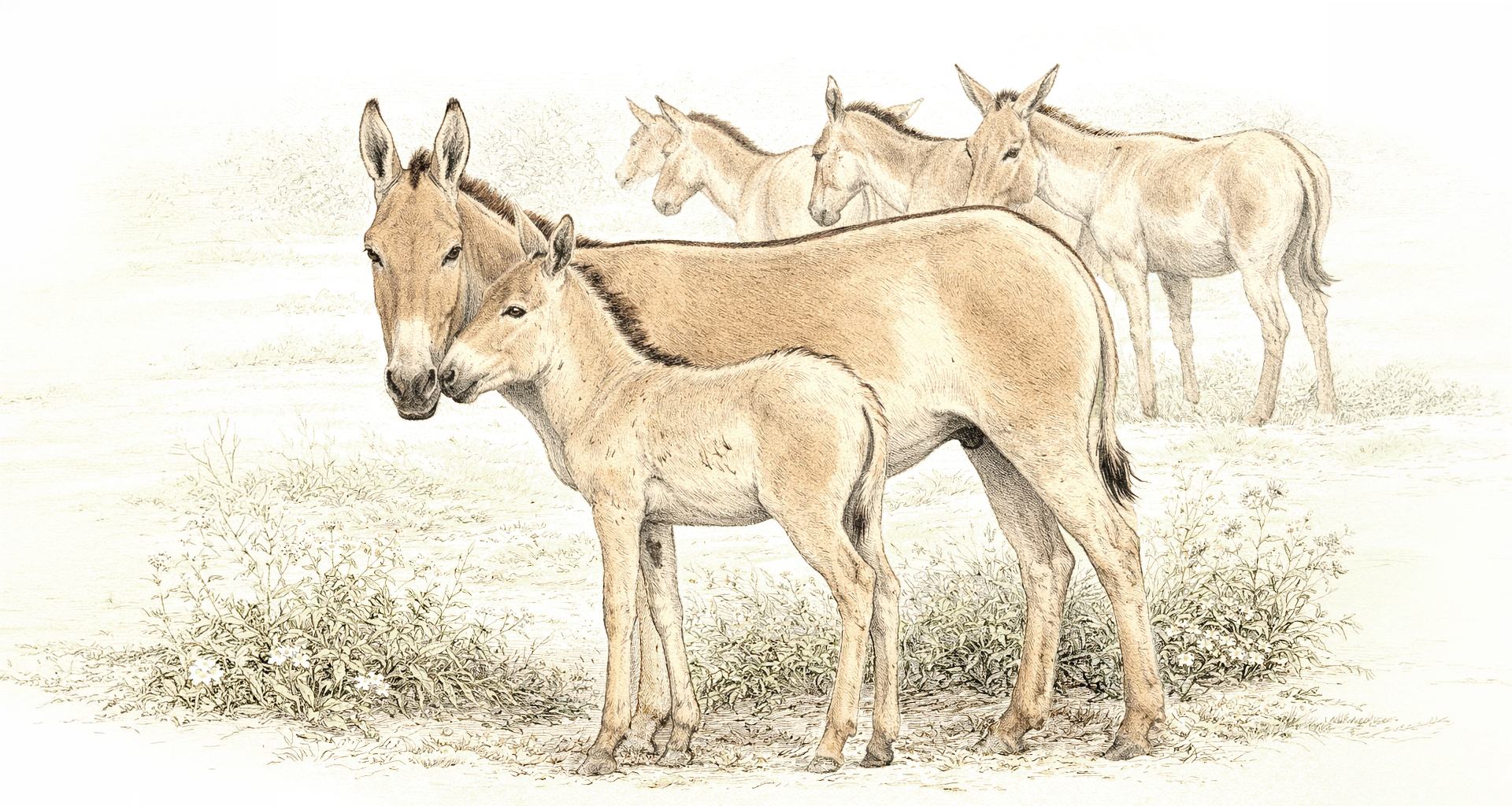
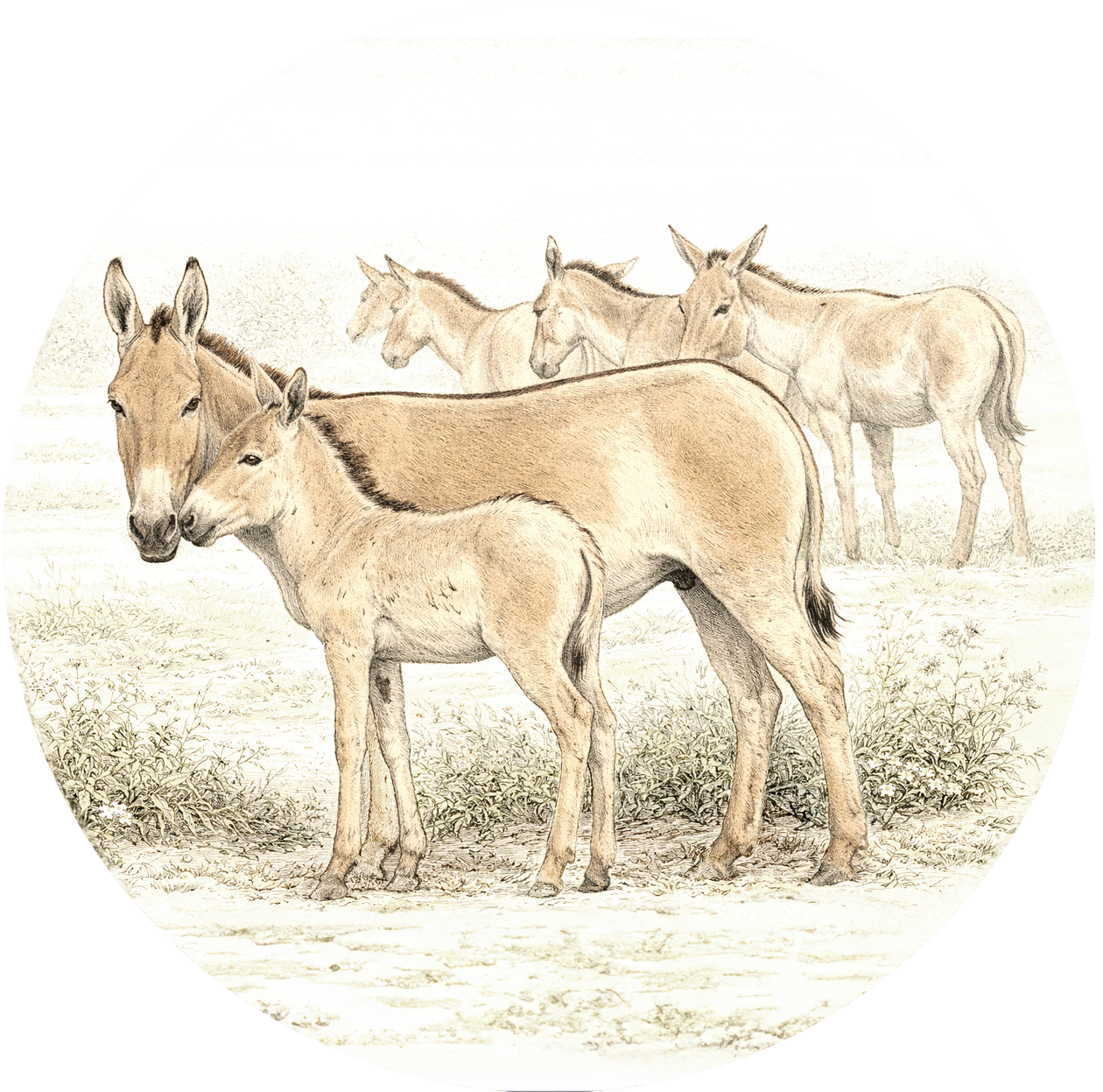
Today, the wild kulan herd in the Tarutino Steppe numbers more than 20 animals, while another nine individuals are currently living in an acclimatisation enclosure. The herd is reproducing successfully, and foals are now born in the wild almost every year.
Kulans play a unique ecological role. They roam across large territories and feed on a wide variety of grasses and other vegetation, preventing the steppe from becoming overgrown and creating favourable conditions for many other species. By maintaining open grasslands, they help preserve the structural diversity that makes steppe ecosystems so rich in biodiversity.
Konik horses:
modern descendants of Europe's wild horses
Another important member of the rewilding team is the Polish Konik, a hardy breed developed from local horses to recover many of the characteristics of the extinct European wild horse—the tarpan.
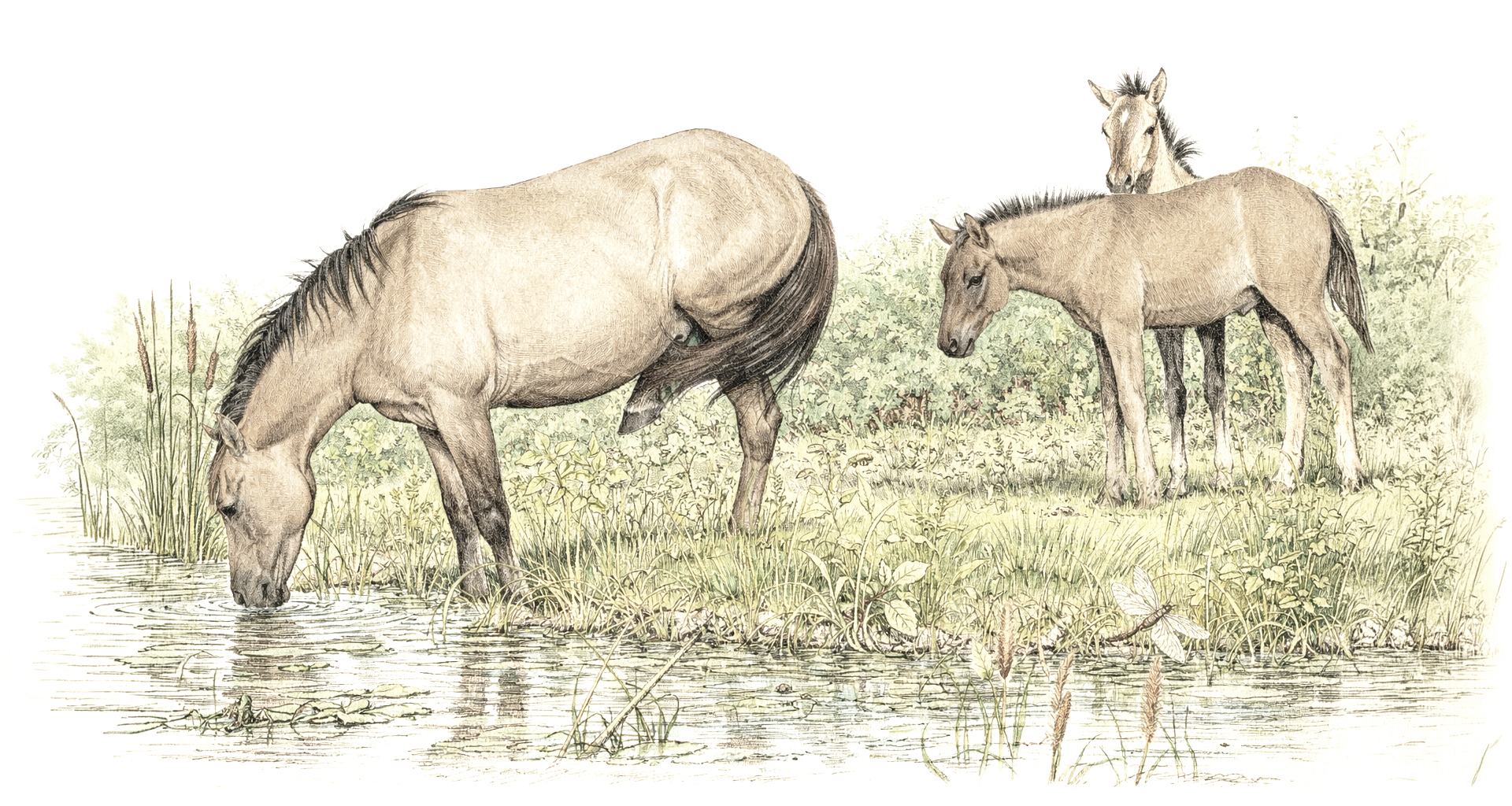
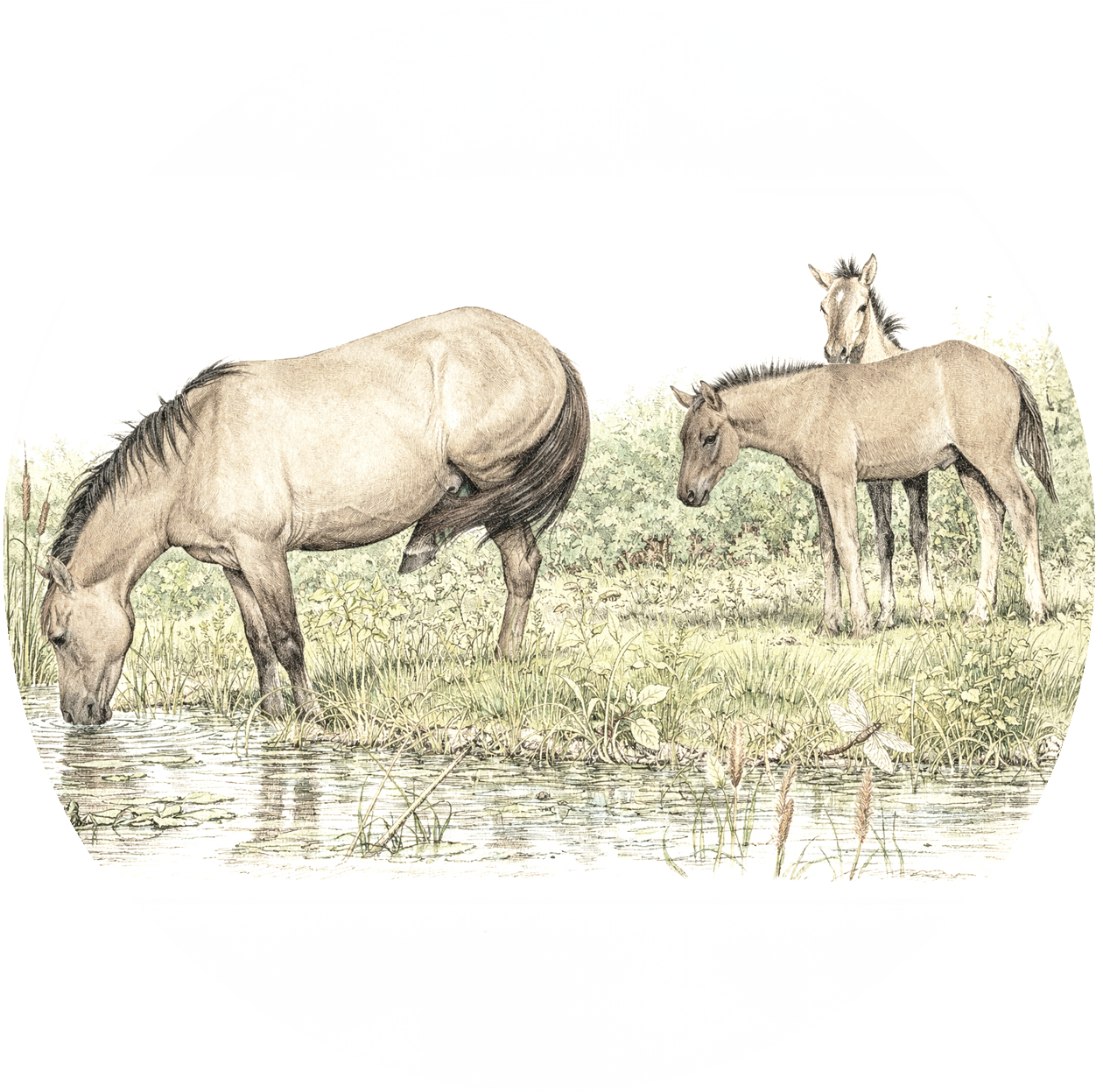
Konik horses are exceptionally well adapted to life in the wild. They live outdoors throughout the year, find their own food, and thrive even under harsh weather conditions.
On the islands of the Danube Delta, these horses act as nature's lawn mowers. By grazing on reeds and shrubs, they prevent floodplains from becoming overgrown, maintain diverse plant communities, create suitable habitat for numerous bird species, and even help preserve fish spawning grounds by maintaining open, species-rich wet meadows.
Today, herds of Konik horses have become an integral part of several island ecosystems in the Ukrainian Danube Delta.
Water buffalo:
engineers of the wetlands
Perhaps no animal better illustrates the rewilding approach than the water buffalo.
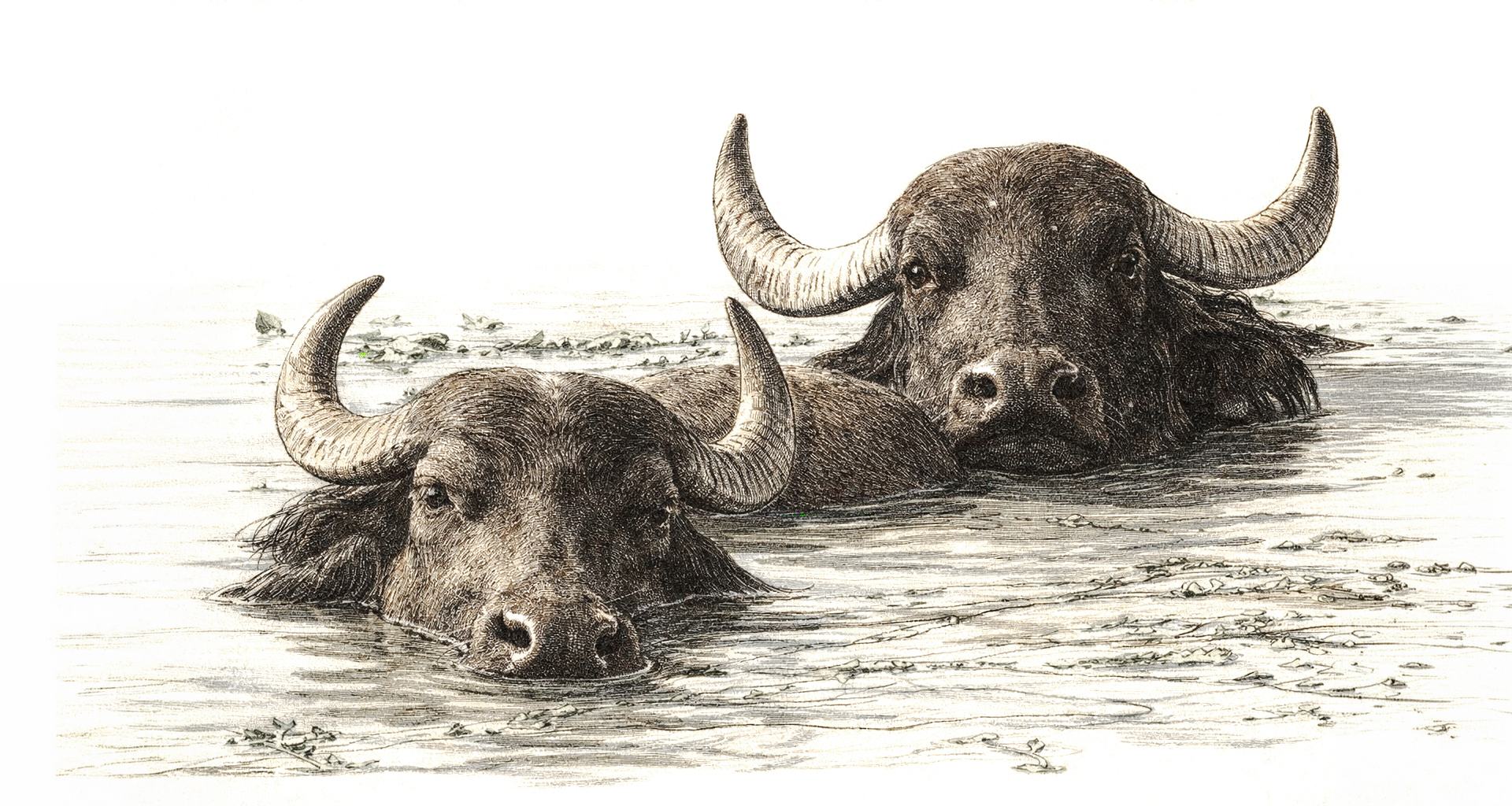
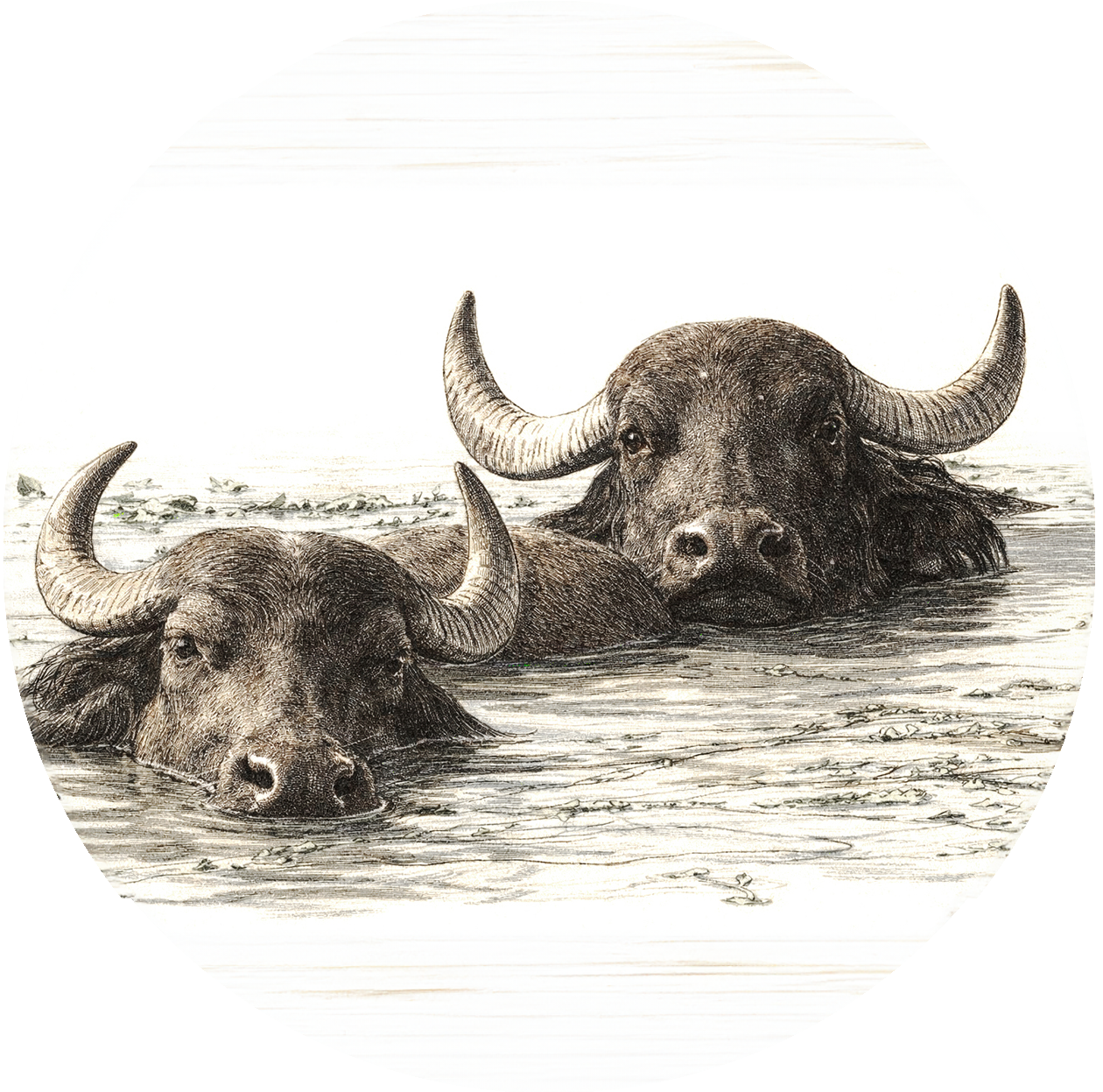
Unlike most large herbivores, buffalo willingly spend much of their time in water, feeding on aquatic vegetation and young reeds. As they graze, they prevent wetlands from becoming choked by dense reedbeds and help maintain open pools of water.
Where buffalo roam, a rich ecological mosaic begins to emerge — a dynamic mix of open water, wet meadows, marshes, and reedbeds. This diversity of habitats is essential for fish, amphibians, insects, and countless species of waterbirds.
Today, the water buffalo herd in the Danube Delta continues to grow, playing an increasingly important role in restoring natural ecological processes across the islands.
Beyond their ecological importance, buffalo have also become one of the most recognisable symbols of rewilding in the Danube Delta, attracting visitors eager to experience the region's recovering wilderness.
Restoring Natural Grazing
In nature, no species exists in isolation. Kulans, Konik horses, and water buffalo each feed on different plants, move across the landscape in different ways, and influence vegetation differently. Together, they recreate a complex system of natural grazing.
This diversity of grazing pressure helps maintain resilient ecosystems without continuous human intervention. Rather than conserving individual species in isolation, rewilding restores the ecological processes that have shaped Europe's landscapes for thousands of years.
Ukrainian feather grass is listed in Ukraine's Red Data Book. During flowering, its long silvery awns create the shimmering waves that have become the symbol of untouched steppe landscapes.
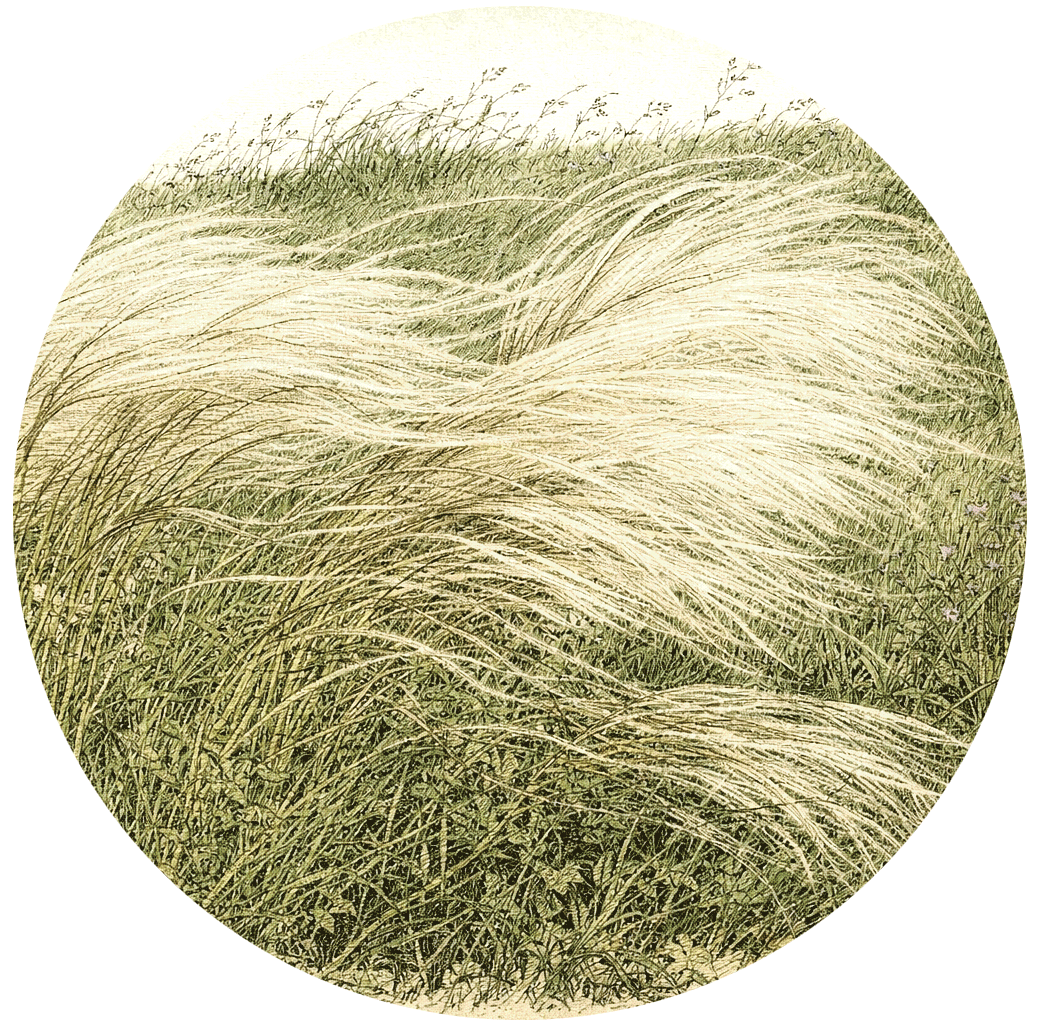
Maintaining these natural grazing dynamics is also essential for preserving the unique flora of the steppe — including the iconic Ukrainian feather grass (Stipa ucrainica), one of the defining symbols of Europe's last wild grasslands.
Bringing water back: restoring natural processes in the Danube Delta
During the twentieth century, the Danube Delta was extensively transformed to support agriculture, fisheries, and infrastructure. Dams, sluices, and canals altered the natural flow of water, while many wetlands lost their direct connection to the Danube. As a result, water could no longer circulate freely between lakes and river branches, and the health of these ecosystems gradually declined.
Restoring this natural water exchange has therefore become one of Rewilding Ukraine's key priorities.
Rather than constructing new engineering structures, the team focuses on removing or mitigating the impacts of past interventions, allowing water to flow once again along its natural pathways.
One of the most significant achievements has been the restoration of the connection between the Danube River and Lake Kartal, carried out in partnership with the Izmail Water Management Authority.
Following the clearance of more than five kilometres of the Luzarsa Channel along the western edge of the lake, the inflow of Danube water into Lake Kartal increased by 40 percent. The project restored a more natural hydrological regime and helped revive more than 450 hectares of floodplain habitat, improving conditions for fish, birds, mammals, amphibians, and countless invertebrates.
It also strengthened the natural connection between the region's major Danube lakes — Kagul, Kartal, Kugurlui, and Yalpuh — allowing ecological processes to function more effectively across the wider landscape.
Similar restoration work has also improved water exchange in Lake Katlabukh and the Staro-Nekrasivski wetlands near Izmail, bringing substantial ecological benefits, particularly during periods of drought.
Restoring natural hydrology benefits not only wildlife. Wetlands act as natural reservoirs, storing water during seasonal floods and gradually releasing it during dry periods. As climate change increases the frequency of droughts and extreme weather events, these ecosystem services are becoming increasingly important for both nature and local communities.
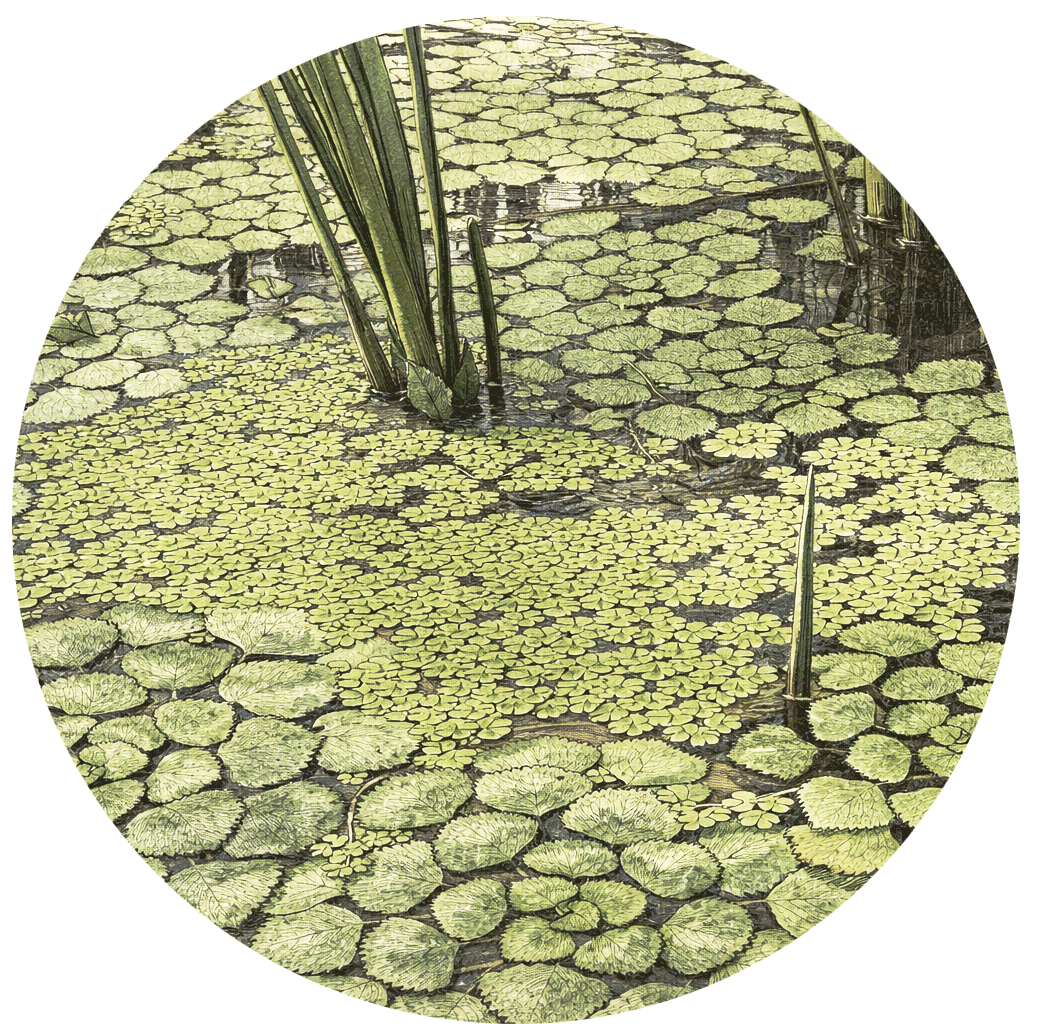
The water chestnut is a characteristic aquatic plant of healthy wetlands. Its floating rosettes provide shelter for fish fry, aquatic invertebrates, and many other freshwater species.
The restoration of natural water exchange between the Danube and its lakes creates the conditions this species needs to thrive. As a result, the water chestnut serves as an important indicator of healthy wetland ecosystems.
European hamster (Cricetus cricetus)
Once common across the Ukrainian steppe, the European hamster has suffered a dramatic decline due to agricultural intensification, habitat loss, and the fragmentation of natural landscapes. Today, the species is threatened across much of Europe.
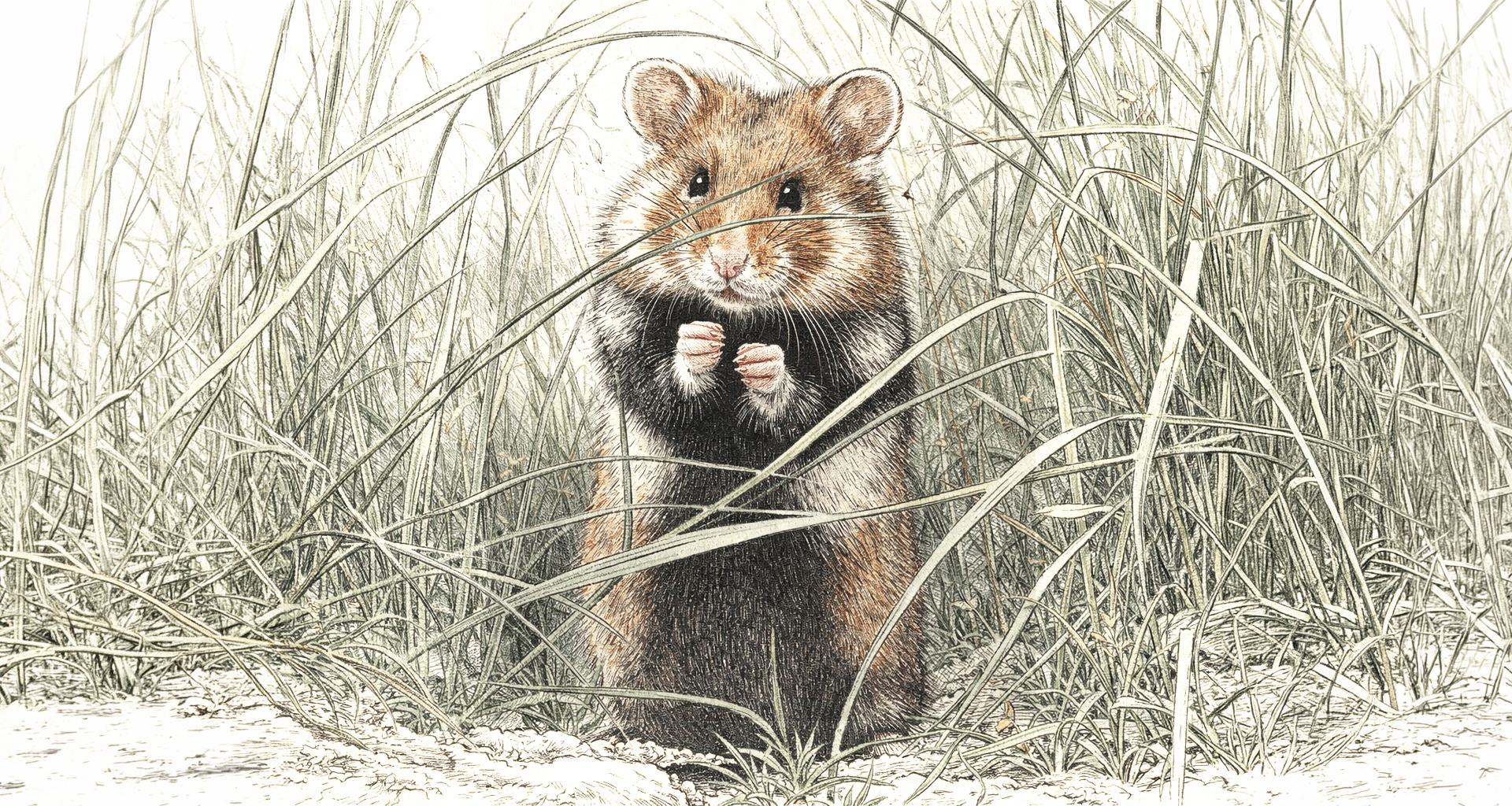
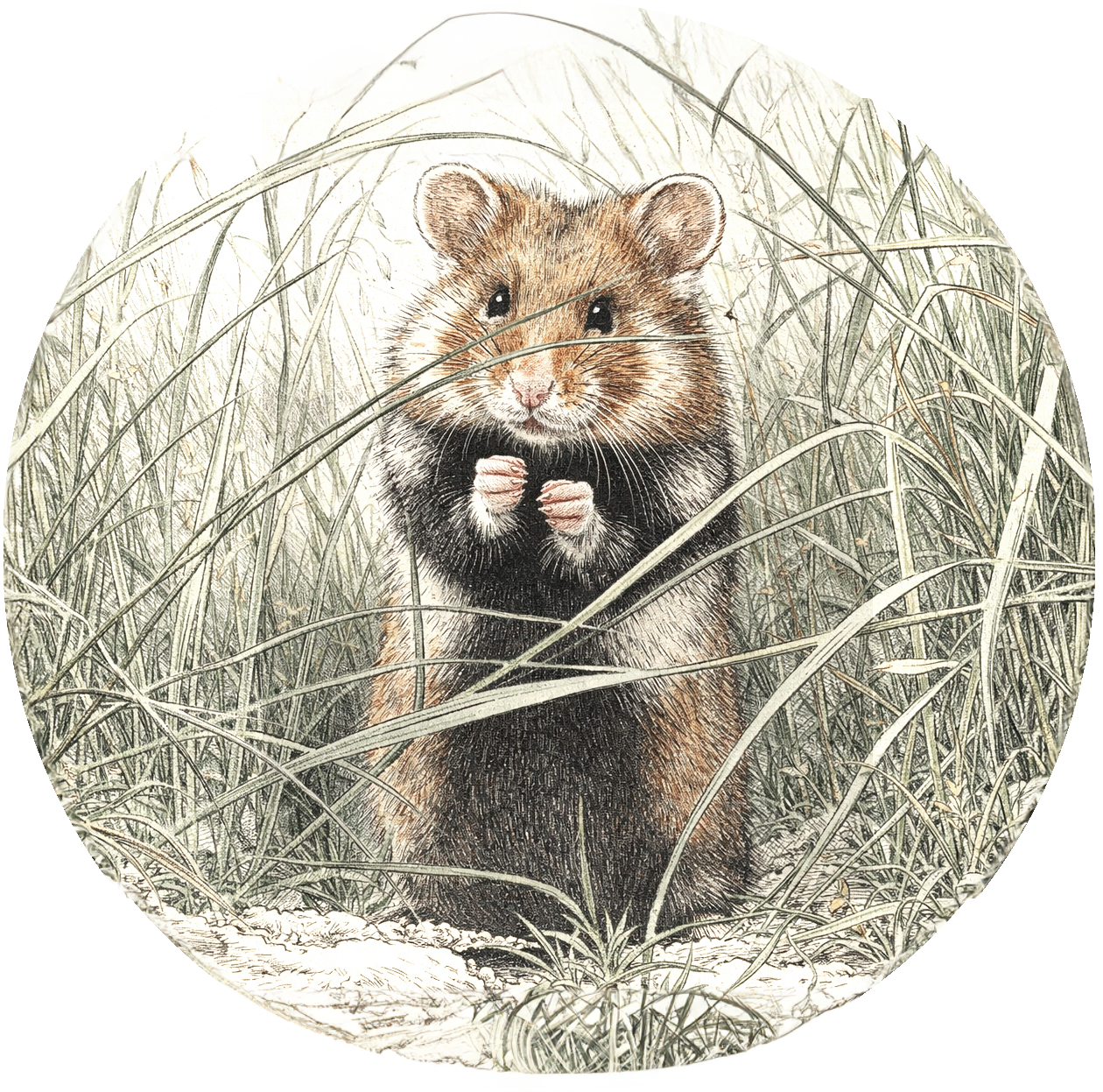
As a typical steppe species, the European hamster performs an important ecological role. Its burrows improve soil structure and aeration, while the species itself forms an essential part of the food web, providing prey for numerous predators.
Eurasian eagle-owl (Bubo bubo)
The Eurasian eagle-owl is one of Europe's largest and most powerful nocturnal birds of prey. Sitting at the very top of the food chain, it has virtually no natural predators, making its presence a strong indicator of a healthy ecosystem with abundant prey and suitable nesting sites.
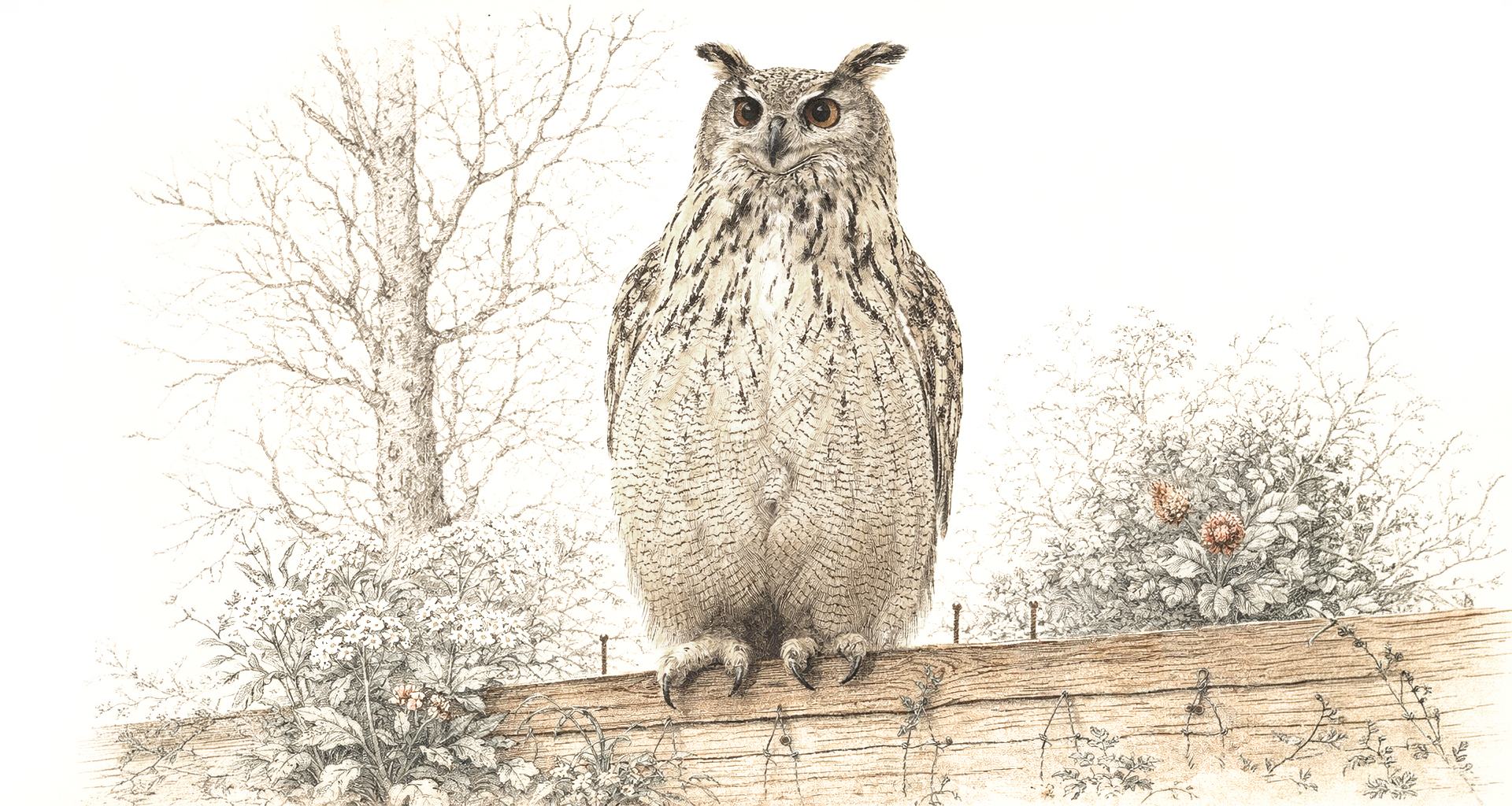
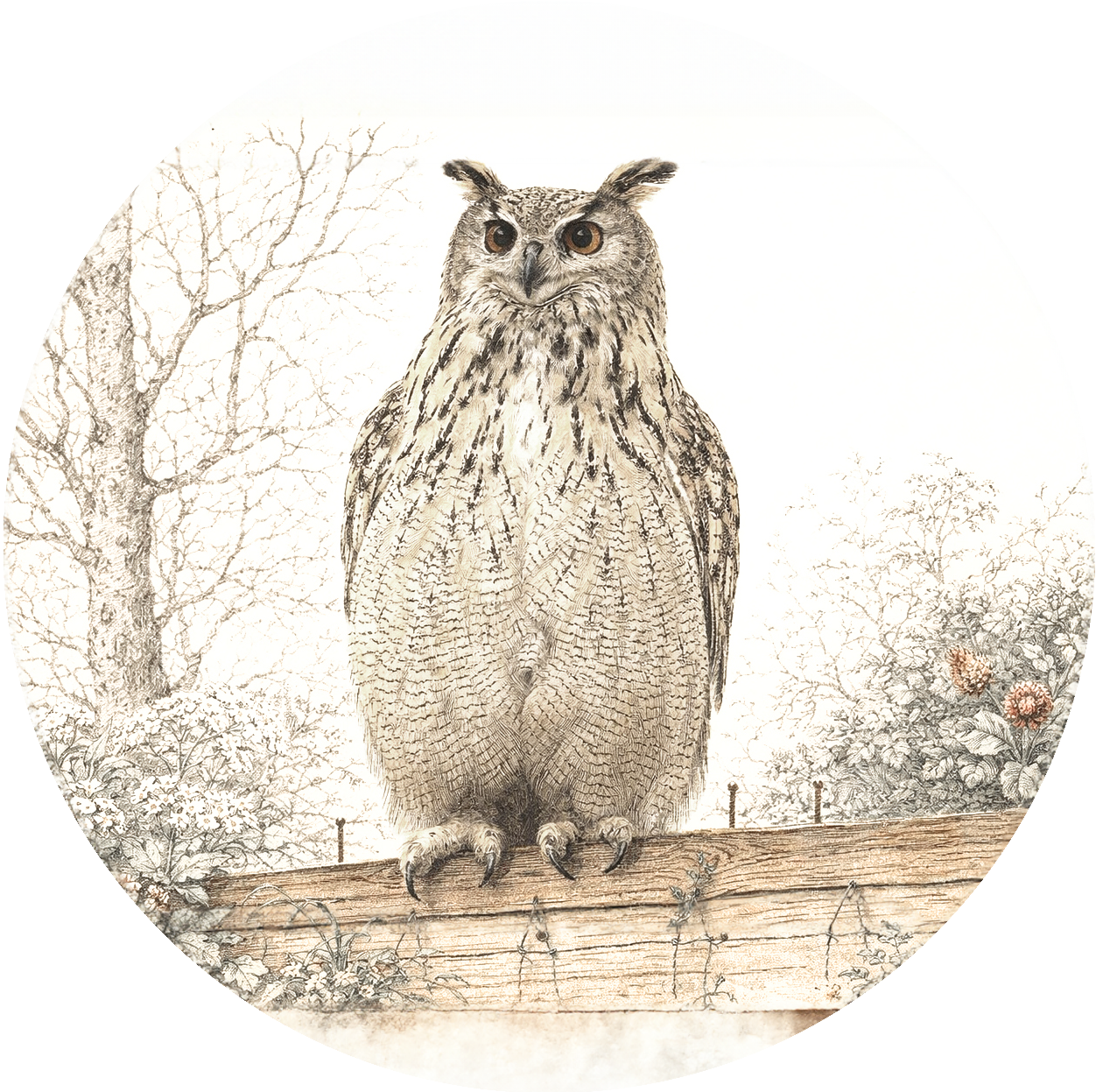
As apex predators, eagle-owls play a crucial role in maintaining ecological balance. Among other functions, they help regulate rodent populations that could otherwise increase dramatically.
Steppe marmot (Marmota bobak)
The steppe marmot is another keystone species returning to the Tarutino Steppe.
Its extensive burrow systems provide shelter for dozens of other species—from insects and reptiles to small mammals — while also improving soil aeration and creating valuable microhabitats.
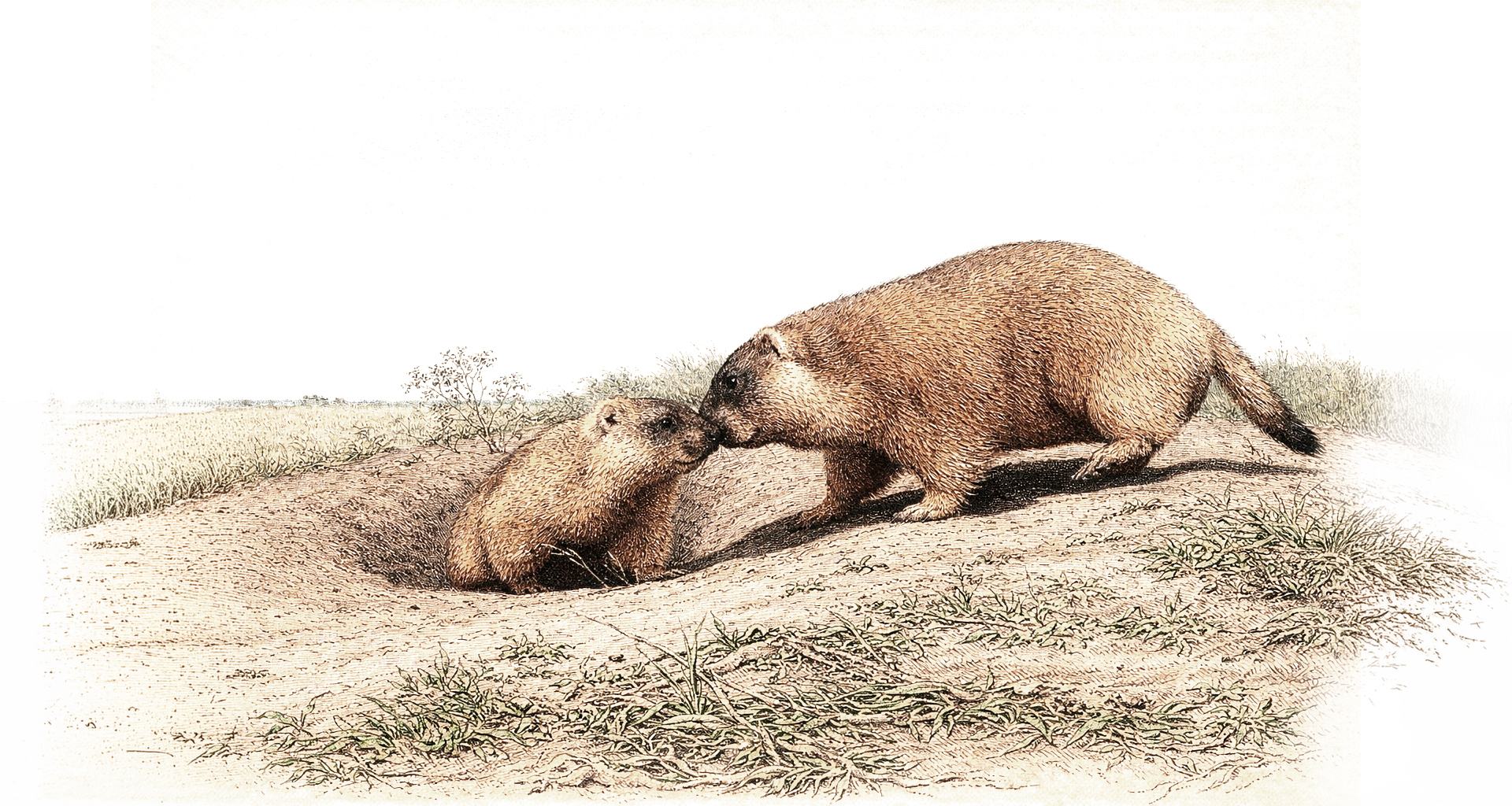
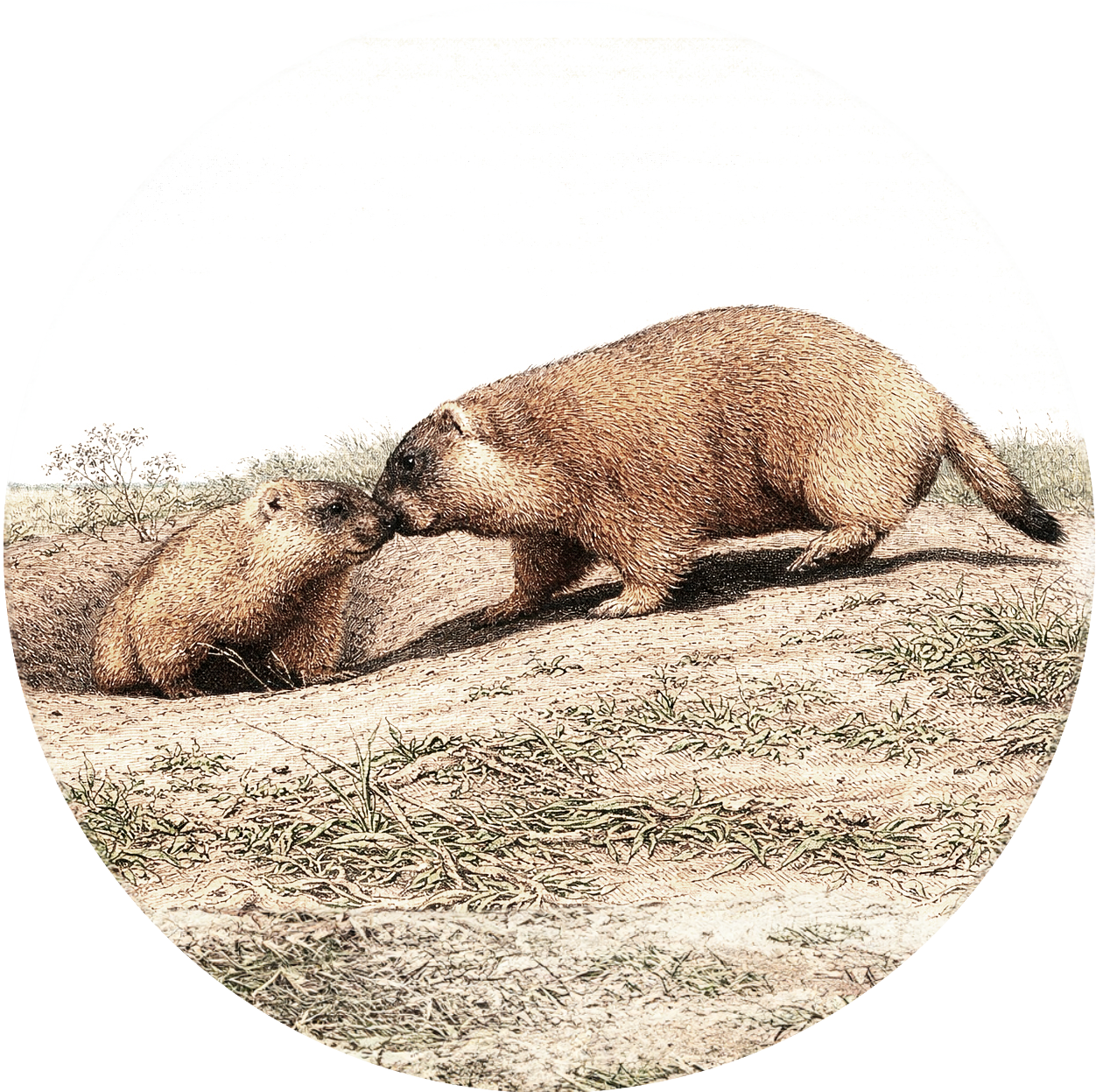
Following its near disappearance from the Ukrainian Danube region, the species is gradually returning through Rewilding Ukraine's reintroduction programme.
Today, marmot colonies continue to expand each year, becoming an increasingly important component of the recovering steppe ecosystem.
Nature for Veterans
Rewilding in the Ukrainian Danube region is about more than restoring nature—it is also about supporting people.
Since 2024, Rewilding Ukraine has been running the Nature for Veterans programme, welcoming veterans, active service members, and their families to experience the wild landscapes of the Danube Delta and see the results of rewilding first-hand.
These visits offer an opportunity to reconnect with nature, find respite from the daily realities of war, and spend meaningful time together in one of Ukraine's most remarkable natural landscapes.
For many participants, the programme provides a rare chance to slow down, regain emotional balance, and experience the healing power of nature. At the same time, it demonstrates how healthy, thriving ecosystems can also contribute to stronger and more resilient communities.
About Rewilding Ukraine
Rewilding Ukraine is a Ukrainian conservation organisation working to restore natural processes, recover wildlife populations, and build resilient landscapes in the Danube Delta and the Budzhak Steppes.
Working together with scientists, protected area managers, local communities, government institutions, and international partners, the organisation promotes rewilding as a practical approach to creating self-sustaining ecosystems that benefit both nature and people.
By bringing back wild grazers, restoring rivers and wetlands, recovering steppe habitats, and supporting local communities, Rewilding Ukraine is helping shape a future in which nature can once again thrive on its own.
Acknowledgements
Many of the conservation achievements in the Ukrainian Danube region have been made possible through the long-term commitment of international partners. Rewilding Ukraine extends its sincere gratitude to Rewilding Europe, the leading European organisation supporting the restoration of natural processes across rewilding landscapes stretching from the Iberian Peninsula to the Carpathians and the Danube Delta. Another important partner is the Endangered Landscapes & Seascapes Programme (ELSP), whose support helps restore Europe's most valuable natural landscapes and strengthen biodiversity across the continent. Their continued partnership enables the restoration of natural processes, the recovery of keystone species, and the further development of rewilding in Ukraine.
Підпишіться, щоб отримувати найкращі статті на e-mail (раз на два тижні)

Підписатися