

Статті
Villages under the wheels. Why Ukrainian highways are deadly for pedestrians
"Where are you rushing off to?! Look, they’re not even stopping!" says Valentyn Hrushetskyi, a resident of Reya, a village located between Zhytomyr and Berdychiv (cities in Ukraine) on highway M-21, commenting on people’s attempts to cross the road. Reya is one of many villages through which intercity and international highways run. In such villages, both adults and children risk their lives every day to get to the store, school, or stadium, either by crossing at an unregulated crosswalk or running straight across the road.
Traffic on the M-21 highway Vystupovychi – Mohyliv-Podilskyi picked up with the outbreak of full-scale war, after air traffic ceased and the number of displaced persons in the western part of the country increased. The section of the road between Zhytomyr and Berdychiv had long been in poor condition. Since the spring of 2026, new asphalt has been laid there.
Given all the war-related dangers facing civilians in Ukraine, this issue may seem "out of place". However, it is one of the elements that make up the European standards Ukraine is striving to meet — standards that can conceptually lay the groundwork for today through small steps and actions. But we need to change our approaches.
A child was struck by a car
Valentyn Hrushetskyi, an entrepreneur and pastor of the local Evangelical Christian Baptist congregation, has led the villagers’ fight for a safe pedestrian crossing across the highway. On March 22 of this year, a car driver struck 11-year-old Artem Hutsaliuk there. Four years ago, the village residents unsuccessfully sought to have a traffic light installed at the crosswalk. Previously, a 15-year-old girl had been struck at the same spot. Both children survived. Artem suffered severe injuries and remained in a coma for two months.
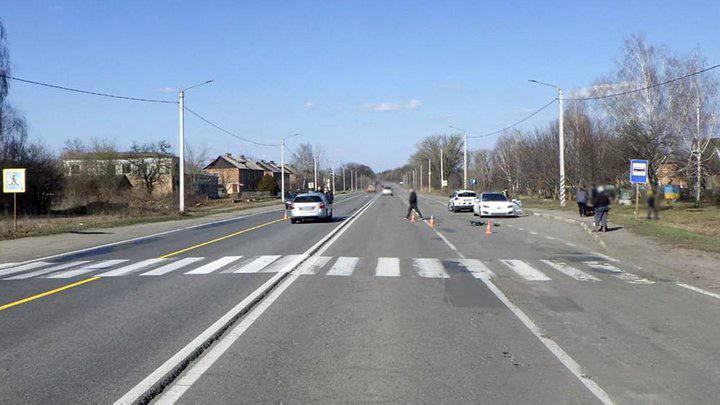
"Artem came by to buy an ice cream," recalls Oksana, a local shopkeeper. "Later, I heard that someone had been hit at the crossing. I ran outside and saw it was him. We had to wait a long time for the ambulance — it came all the way from Zhytomyr (about 30 kilometers away)".
Artem was crossing a crosswalk on a kids’ electric scooter, violating traffic rules that pedestrians are also required to follow. This is evidenced by footage from the dashcam of an oncoming car. The defendant’s lawyers will likely bring this up during the court hearing.
It would be dishonest not to mention the issue of electric scooters here, but this factor does not detract from the main problem discussed in the article. The pedestrian did not suddenly run out into the street. The boy was standing at the crosswalk, waiting for the traffic to clear, and then he crossed.
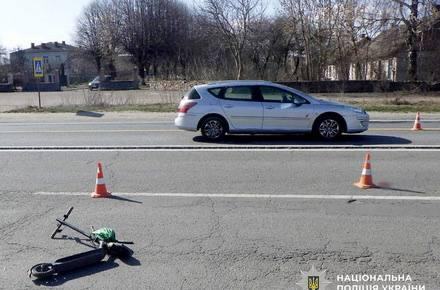
"According to testimony, the driver explained that he saw the child near the crosswalk from a distance, but wasn’t sure if the child was going to cross," Volodymyr Hutsaliuk quotes his lawyer, Dmytro Bohun, as saying.
"If the driver was indeed driving at the speed limit in a village, he had enough time to react and stop — as confirmed by the results of the expertise," the victim’s lawyer added in a comment to a Texty.org.ua reporter, "but for some reason, he didn’t brake". There were no skid marks on the road, a village resident stated in a comment to the media Suspilne during the protest.
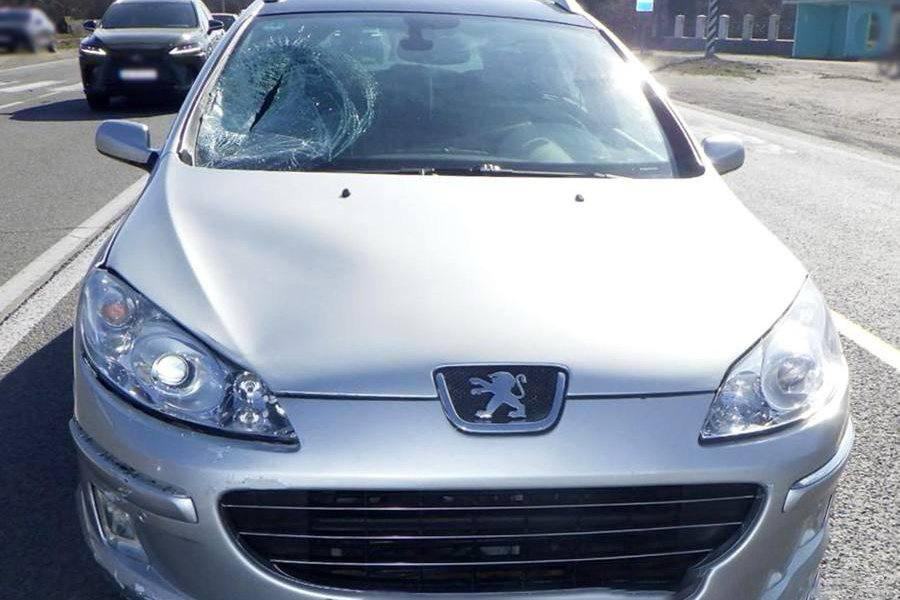
There were no additional aggravating circumstances. The accident occurred in broad daylight, around midday. It was dry and sunny outside, and the 60-year-old Kyiv resident driving the gray Peugeot was sober.
Artem is currently undergoing treatment at Okhmatdyt children's hospital, where his mother is teaching him everything all over again: how to eat, walk, talk, and recognize his loved ones. The boy's father and his older sister take turns coming there to help. Since the accident, the driver has been helping the family with money for his treatment. The Berdychiv City and District Court will hear this case shortly.
"I don’t intend to seek a harsh punishment for the driver," the boy’s father adds, "and I didn’t want any help from him. The most important thing to me is that my child recovers and that this crosswalk becomes safe for everyone".
The "white" village
The road sign marking the entrance to Reya on this highway has a white background, meaning drivers must reduce their speed to 50 km/h within the village limits. But they rarely do.
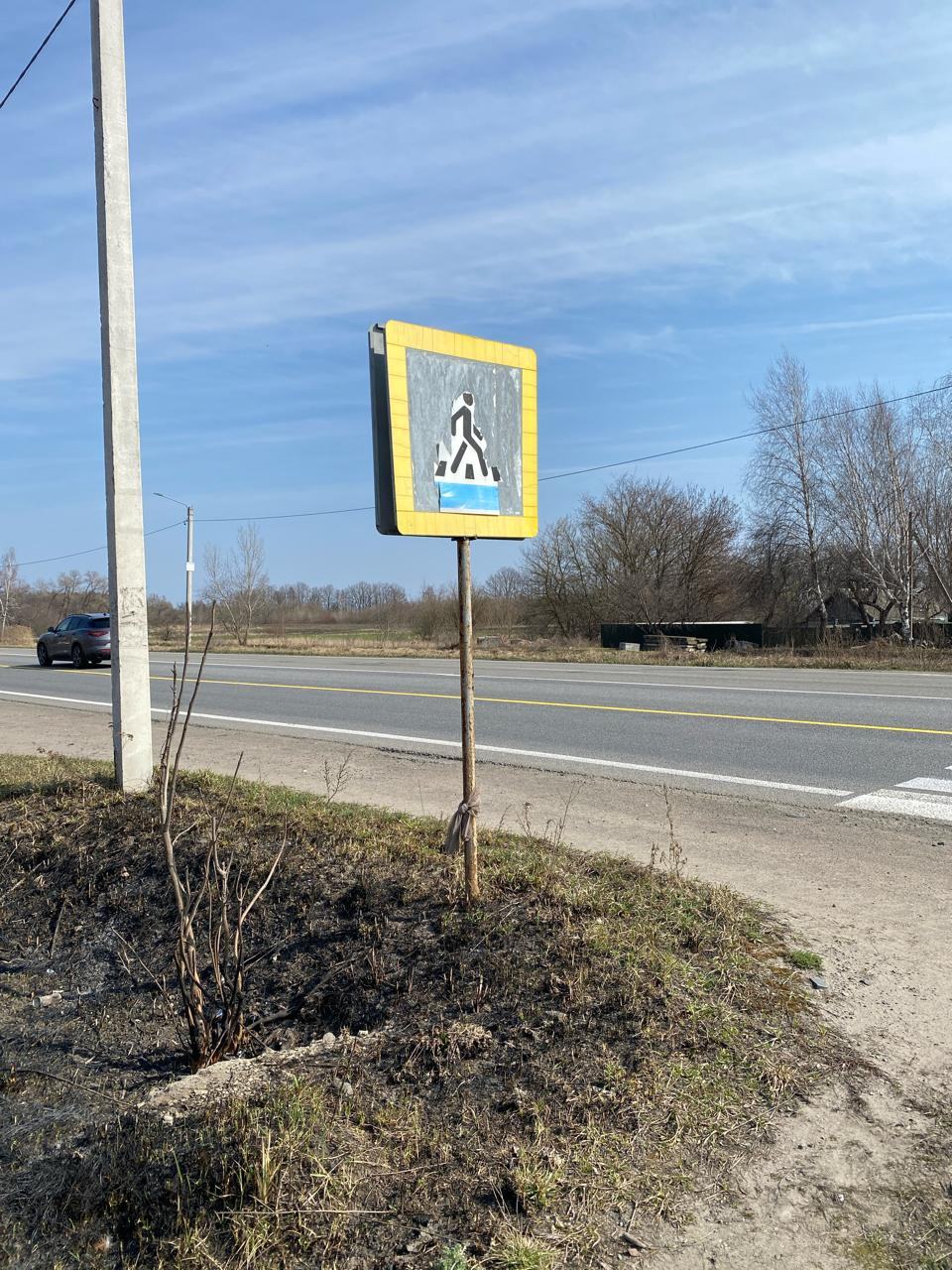
The weathered crosswalk sign and the zebra markings, partially worn away during roadworks, are ignored by almost every driver. A Texty.org.ua reporter saw this firsthand after spending half an hour observing the crosswalk where the child was hit during a visit to Reya in early June.
There are no cameras in the village to record traffic violations. Even if there were, the fine for exceeding the speed limit by more than 20 km/h is only 170 UAH (about $4). Texty.org.ua has repeatedly called on the authorities to impose stricter penalties on violators. Following an accident in Kyiv that killed four people, the relevant bill was finally registered in the Verkhovna Rada of Ukraine, but it has not yet been passed.
Three days after the accident in Reya, Artem’s fellow villagers gathered on the highway to draw attention to the problem.
"The only way to cross the street safely is to wait for a 'gap' between cars, because they don’t stop," says Valentyn Hrushetskyi. "On Fridays and Sundays, traffic picks up noticeably, and you might have to wait a long time for a safe 'gap'". Other villagers echo his words.
Not enough accidents to install a traffic light
"People even wanted to block the road to make themselves heard," explains Valentyn, but in the end we decided to take the legal route first: send inquiries, wait for responses, and then decide what to do next.
He says that for years he led his children (and he has six of them) across the road by hand or went out to meet them at the crosswalk, assessed the situation while standing on the other side of the road, and told them when it was safe to cross.
His children are already grown, but he is concerned about the safety of his fellow villagers, so he is pushing to have at least one red and white crosswalk with a traffic light installed in the village upon request. A brief stop won’t slow drivers down much, but it will give people the chance to cross the street without risking their lives.
A red traffic light will force the driver to stop, even if the driver doesn't notice a pedestrian.
The Zhytomyr Regional Service of the State Agency for Infrastructure Restoration and Development of Ukraine responded to Valentyn Hrushetskyi’s letter, stating that there is no money to install a traffic light at the crosswalk in Reya because, during the war, funds are allocated only for improving areas with high accident rates. And in their village, there aren’t enough such statistics.
NOT ENOUGH ACCIDENTS FOR A TRAFFIC LIGHT?
They also promised to renew the road markings, traffic signs, and rumble strips once the roadworks are completed. It also noted that enforcing traffic laws is the responsibility of the police (meaning they are the ones who should be tackling widespread speeding).
"It sounds as if the community has to sacrifice more of its citizens before the government will agree to spend money on a traffic light. This kind of approach gives me the creeps," says Viktor Zagreba, a researcher on national road safety policy of the "For Safe Roads" campaign and founder of the non-governmental organization Vision Zero, commenting on the government agency’s response.
"What would those who keep talking about the 'lack of accident statistics' say if, God forbid, their own children’s lives were at stake?" adds Volodymyr, the father of the boy who was struck by a car. "I understand that one child doesn’t count as a statistic, but this is my child — every child in Ukraine today is precious".
Traffic lights installed after deaths
There is a crosswalk with red and white markings and a traffic light that activates on demand in the neighboring village of Sinhury. It was installed relatively recently, after a pedestrian was killed there in 2024.
The next traffic light is a few kilometers further on, in the village of Huiva. It regulates the intersection of the highway with a secondary road. It was installed there back in the 1990s, shortly after four teachers from a local school were killed in a single incident one morning while crossing the road after getting off a bus.
232 criminal cases over five years
Using AI tools, we found 232 criminal cases in the Unified State Register of Court Decisions of Ukraine over the past five years (from 2021 to June 1, 2026), which mention pedestrians being struck specifically at unregulated crosswalks on intercity roads in and near settlements. Some died, while others survived but sustained serious injuries.
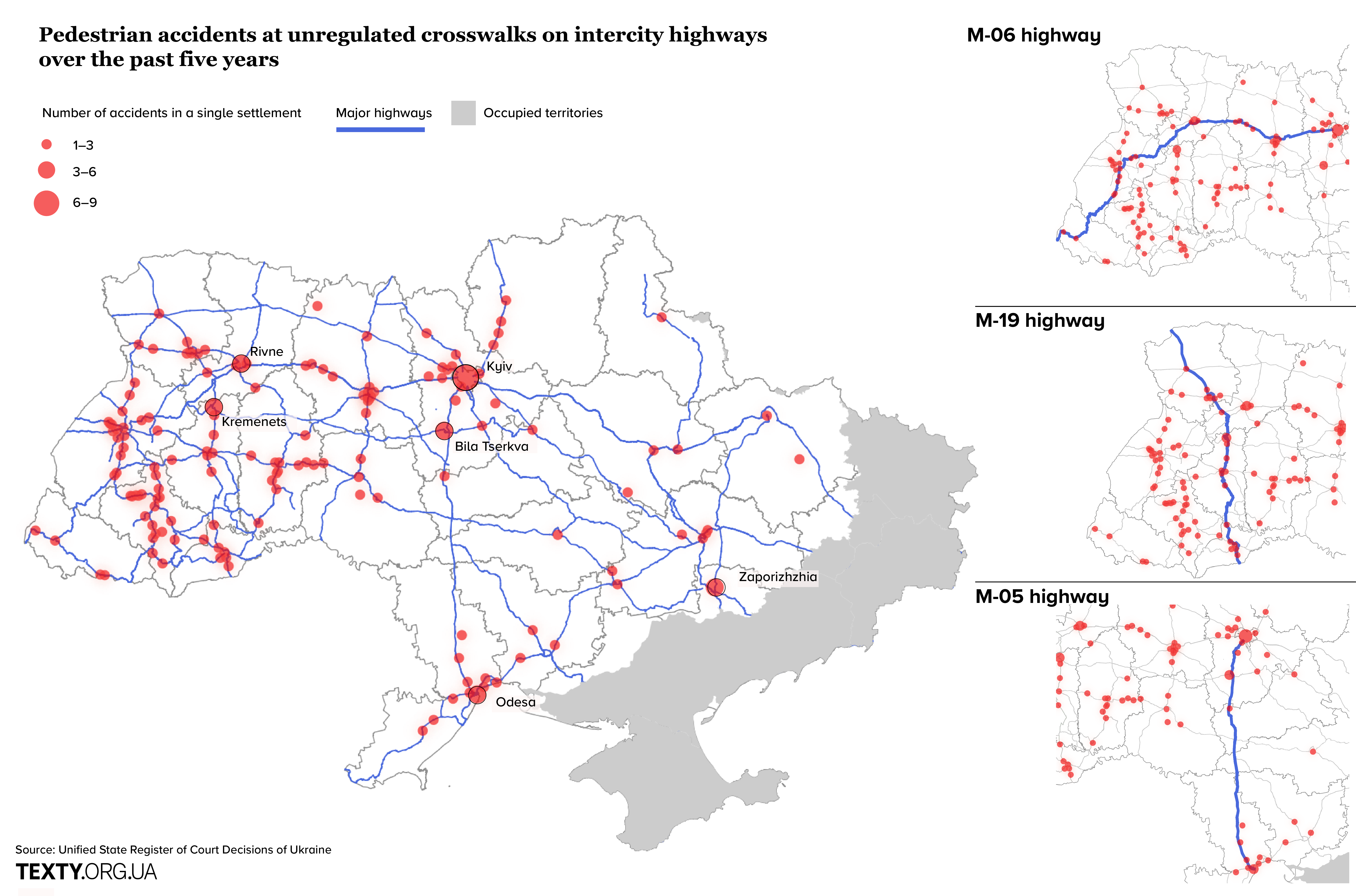
Of these, seven accidents occurred on the M-21 highway Vystupovychi – Mohyliv-Podilskyi, which is discussed in this article.
These figures provide some insight into the problem, but they are clearly incomplete, since we were unable to find records of at least five similar accidents in the same Zhytomyr region that were reported in the news over the past two years.
The highest number (34) of pedestrian accidents involving injuries and fatalities recorded in the registry occurred on the M-06 Kyiv–Chop highway, which was repaired ahead of Euro 2012.
The M-05 Kyiv–Odesa highway ranks second in terms of the number of reports of pedestrians struck on crosswalks (16).
The situations described in all of the criminal cases are very similar. The driver did not maintain a safe speed and did not take steps to stop and yield to the pedestrian, resulting in the pedestrian’s death or serious injuries.
THE DRIVER DID NOT TAKE STEPS TO STOP AND YIELD TO THE PEDESTRIAN
But other types of accidents are also common at unsignalized pedestrian crossings, injuring both drivers and passengers. For example, one driver stops to let a pedestrian cross, only to be rear-ended by another driver who fails to notice the stopped vehicle and does not slow down (one such accident also occurred in Reya).
Speeds on the highway are high, making the consequences often tragic. If the impact is severe, people in both vehicles can be injured, along with the pedestrian, who is ultimately struck by the chain-reaction collision involving the crumpled cars.
On roads with two lanes of traffic in the same direction, a pedestrian is sometimes struck by a driver in the left lane while the driver in the right lane has stopped to let them cross. Several such accidents are also described in the court registry.
According to our calculations based on National Police of Ukraine data, about 21,000 traffic accidents were recorded on intercity highways and access roads over the past five years.
In other words, based on very rough and approximate estimates, in every hundredth accident on intercity roads, a pedestrian crossing at a crosswalk is killed or seriously injured.
Deadly combination
"Those who design and approve these roads also bear some responsibility for these crashes and deaths," says Viktor Zagreba. "Category I-B highways are the most dangerous type of road in Ukraine. They continue to be built according to Soviet standards adopted back in the 1960s. These roads combine the high-speed function of a transit highway with local access points, unsignalized pedestrian crossings, U-turns, left turns across oncoming traffic, and at-grade intersections — a deadly combination".
This is exactly the case with the M-21 international highway, which passes through Reya and many other villages along the Zhytomyr–Vinnytsia route.
From a strategic standpoint, the country needs to build bypasses to route highways outside cities, towns, and villages and bring them closer to European standards. This will help save the lives of both drivers and pedestrians.
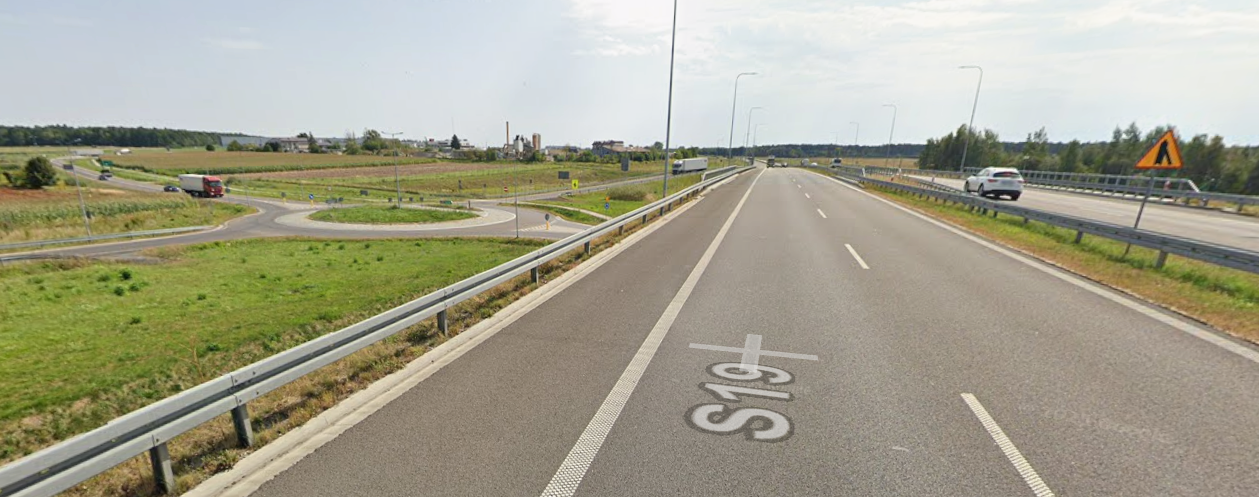
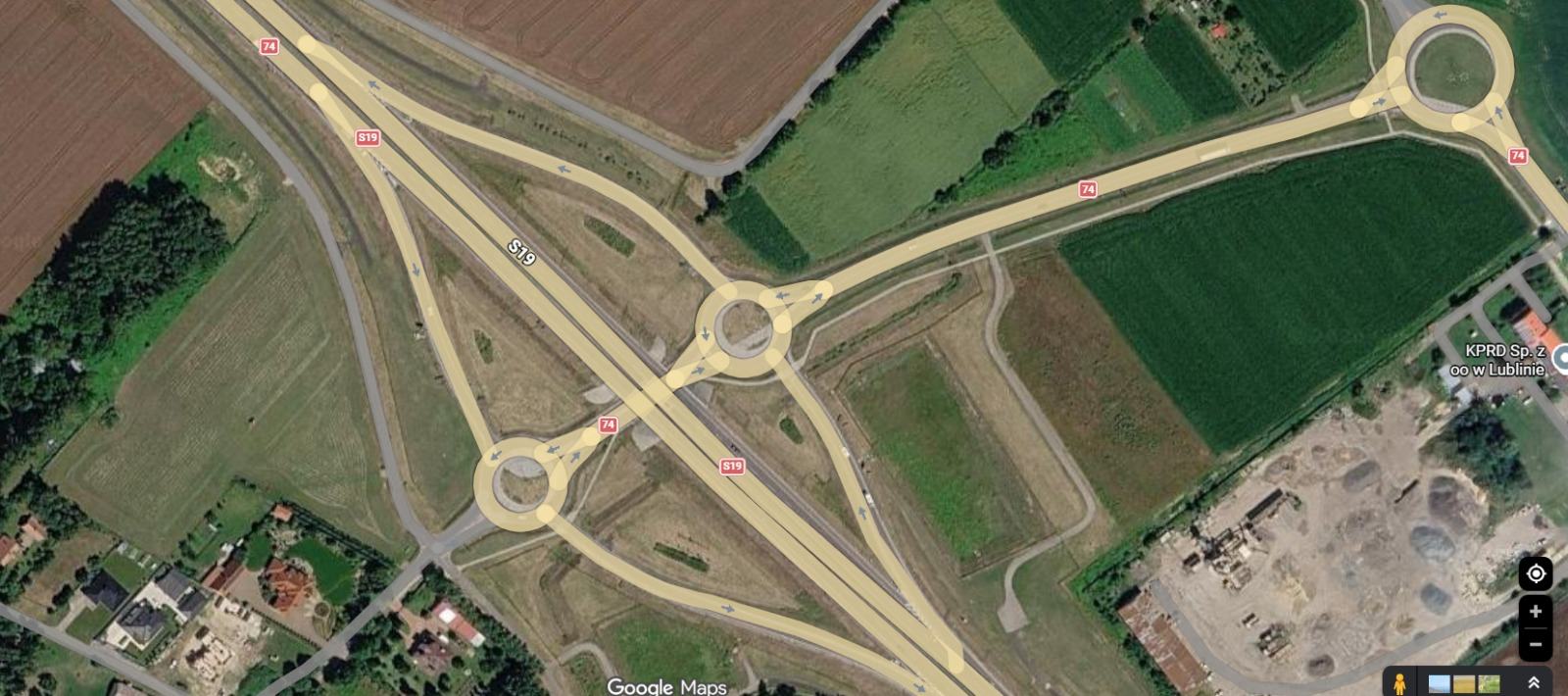
If a transit route does pass through a settlement in Europe, there are various ways to ensure the safety of residents.
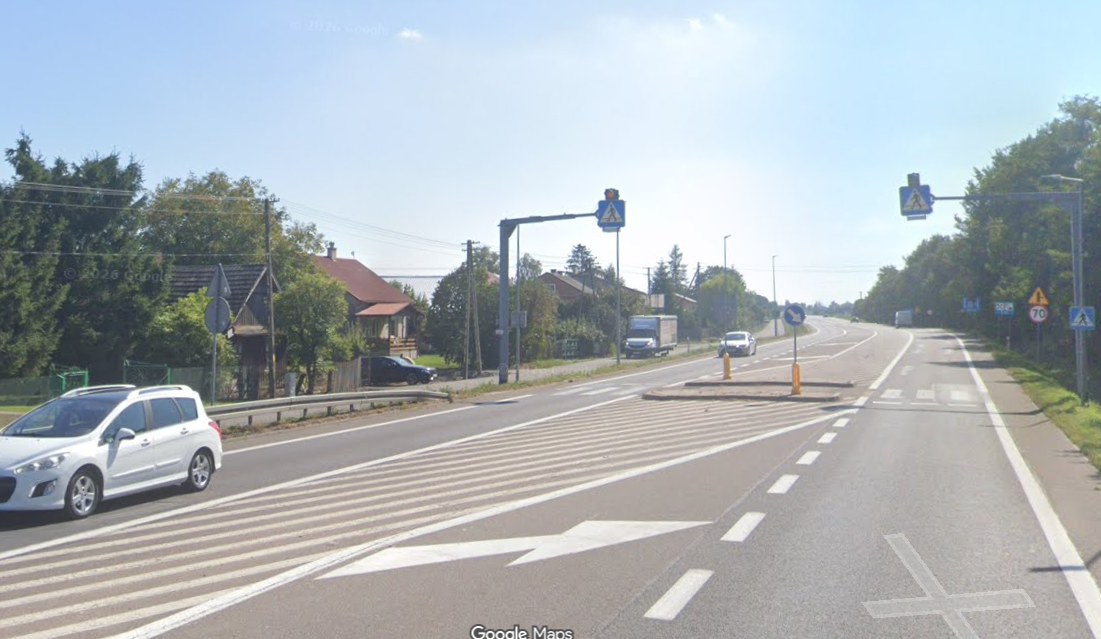
If traffic on a through road isn’t very heavy, the road is narrowed before crosswalks, as shown in the photo above.
Traffic lights are also often installed on demand. Drivers will lose a few extra minutes, but this will radically improve the quality of life for residents of villages or towns near the road. Combined with speed limits, strict enforcement, and high fines for speeding, this approach works.
According to Viktor Zagreba, Lithuania and Poland are good examples to follow. Both countries have modernized their road design standards, bringing them in line with those of Denmark, Sweden, and the Netherlands.
The expert also points out that modern Polish road designs are more cost-effective than Ukrainian ones.
What is the point of building roads in Ukraine according to outdated Soviet standards? Yet that is exactly what is happening.
Therefore, pushing for at least a traffic light with a push-button at a crosswalk — as residents of Reya in the Zhytomyr region are doing today, without waiting for tragic statistics to emerge — is a thoroughly European approach. And that is the very least that can be done on that stretch of road.
No elevators, no stairs
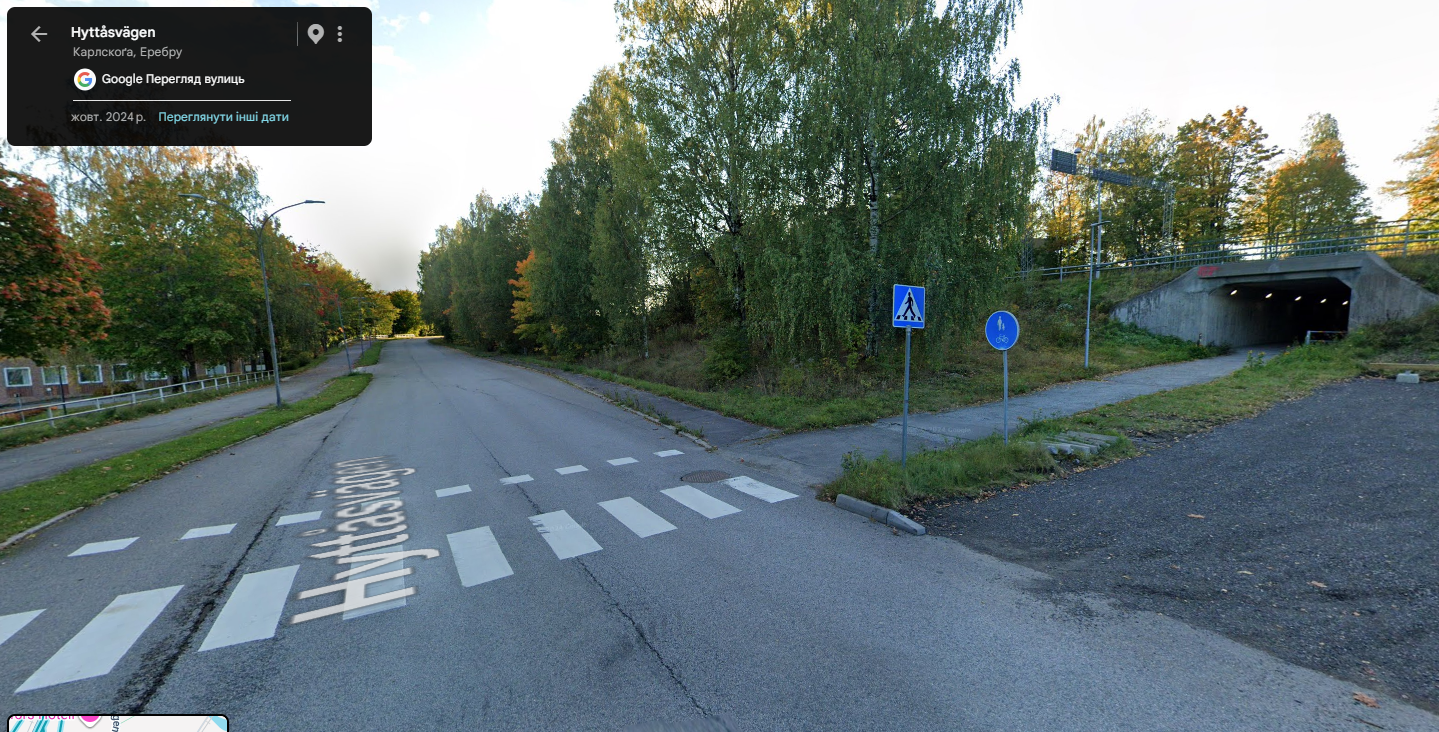
Building pedestrian overpasses or underpasses on such expressways will not solve the problem.
"Quite a few of them have been built along the Kyiv–Kharkiv and Kyiv–Chop highways," Viktor Zagreba points out. "To cross the road, you have to go up and down a flight of stairs several meters high. This is inaccessible to people with limited mobility, parents with strollers, not to mention livestock. Livestock can’t walk up and down stairs!
Even where elevators were installed, they either never worked or broke down within days. Maintaining them is extremely expensive.
Another problem is having just one crossing — even a perfect one — for an entire village stretched out along the highway. If people have to walk two kilometers to reach it, they’ll cut a hole in the noise barrier and cross the road at their own risk somewhere else, as residents of many villages along the highways between Kyiv, Kharkiv, and Odesa already do.
These makeshift crossings are further evidence that the engineers and the government have failed to do their job".
MAKESHIFT HIGHWAY CROSSINGS ARE THE FAULT OF ROAD DESIGNERS
Ideally, pedestrian paths within the city should be barrier-free so that pedestrians do not have to go up or down stairs. Instead, the highway should have inclines and declines.
They can, when they want to
"Our drivers know perfectly well how to slow down in settlements and follow the rules when they drive around Europe because they remember the high fines and the certainty of punishment," says Valentyn Hrushetskyi. "I think everyone has noticed this. A driver behaves politely while driving through Polish villages, but as soon as he crosses the border into Ukraine, he steps on the gas".
On Ukrainian roads, such "miracles" of traffic rule compliance also occur when drivers spot a police car.
"Look, they are stopping! They’re slowing down, slowly but surely. They can do it! But why? Because we have the police here!" Valentyn says excitedly, showing these "miracles" in another video he recorded shortly after the crash, when a police car was stationed near the dangerous crossing for several hours.
And then the police left.
Підпишіться, щоб отримувати найкращі статті на e-mail (раз на два тижні)

Підписатися