

Статті
How Ukraine’s long-range strike system works against Russia
When Ukraine first struck deep into Russian rear areas, these were considered isolated cases. However, by 2024–2025, it had become clear that a new type of operation had emerged. Systematic pressure on the enemy’s infrastructure, industry, and logistics hundreds and thousands of kilometers from the front lines. The shift in approach was not even about distance, but rather the emergence of a whole range of Ukrainian long-range weapons — from inexpensive unmanned aerial vehicles (UAVs) to missiles. It was precisely this combination that gradually changed the nature of the war.
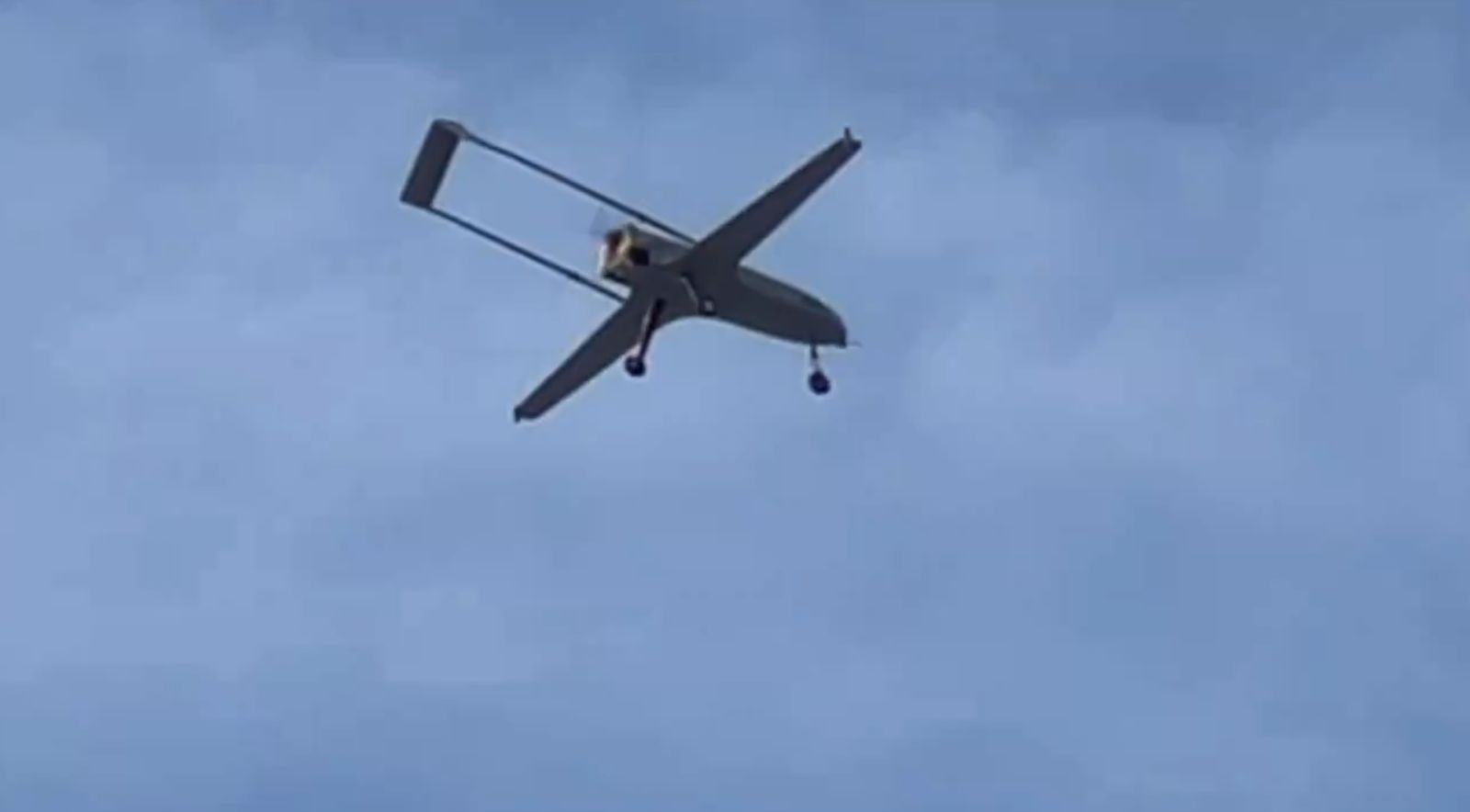
Today, strikes against enemy rear areas are no longer considered isolated cases. Rather, they constitute a continuous campaign in which the enemy’s intelligence, weapons systems, electronic warfare (EW), and air defense constantly interact.
This process has no clear beginning or end. Each new wave of attacks builds on the results of the previous one while simultaneously changing the situation for subsequent actions.
Selecting a target
Selecting targets for strikes is not simply a matter of identifying a specific object, but rather a systematic selection of infrastructure elements that play a role in the enemy’s production, logistics, or energy supply.
For example, oil refineries are viewed not as a single facility, but as a collection of separate technological units, each with its own functions. Similarly, airbases are assessed based on their ability to sustain the intensity of combat sorties, and defense enterprises are evaluated based on how they are integrated into production and repair processes.
The second criterion is the relationship between the significance of a target and the feasibility of striking it. Targets are selected based on whether striking them can produce a systemic effect — a complete or partial halt to a specific technological or military process. In doing so, it is essential to consider whether the target is within the range of the weapons, taking into account the capabilities of the enemy’s air defense.
Intelligence
Once a target is selected, the reconnaissance phase of the operation begins.
Satellite intelligence monitors new hangars, equipment movements, activity on railway lines, the appearance of additional air defense systems, and changes around industrial buildings.
Electronic intelligence analyzes radar operating modes, communications system activity, the frequency of EW activation, and the sector control configuration.
OSINT (Open-Source Intelligence) provides photos of employees, random videos, truck routes, and indirect signs of activity at production facilities.
As a result, a digital profile of the target is formed, and a specific type of strike weapon is selected based on it.
Drones
One of the first Ukrainian long-range drones is the UJ-26 Bober, which has become associated with large-scale strikes against Russian territory. It has a range of 800–1,000 km, a speed of 150–200 km/h, and a warhead weighing 20–30 kg.
The main advantages of the Bober are its low cost, range, and suitability for mass deployment. It was precisely these drones that became the tool for delivering the first strikes against oil refineries, oil depots, and warehouses.
Then came the Liutyi drone — effectively Ukraine’s first long-range UAV of strategic importance. It has a range of 1,000–1,200 km and a warhead weighing 50–75 kg. Thanks to its long flight duration and ability to navigate complex routes, this drone has been spotted numerous times near Russian oil refineries and airfields. It is easily recognizable in photos and videos by its distinctive twin tail booms and V-shaped tail.
THE CONCEPT OF A SECURE REAR FOR RUSSIA IS A THING OF THE PAST
With the advent of Liutyi, the concept of a secure rear for Russia has become a thing of the past.
In May 2025, the FP-1 drone was unveiled. Its role is less high-profile but very important — a cheap, mass-produced long-range platform. The FP-1 carries a 60 kg warhead and has a range of up to 1,600 km. The developers stated that the amount of explosives could be increased to 120 kg by reducing the range.
Relatively recently, Ukraine began producing jet-powered strike UAVs such as the Palianytsia, Bars, Peklo, and other experimental systems. Their advantages lie in speed (less time for air defense to react) and the ability to penetrate complex defense sectors. The estimated flight range is up to 1,000 km.
Missiles
Western partners have provided Ukraine with the first missiles for striking enemy rear areas. The British-French Storm Shadow / SCALP-EG air-launched cruise missiles have a stated range of 250 km, though their actual range is significantly greater. They fly at subsonic speeds and low altitudes, but they are high-precision weapons with powerful, penetrating warheads.
They were primarily used against headquarters, command posts, warehouses, and other protected facilities.
ATACMS struck airfields and bridges
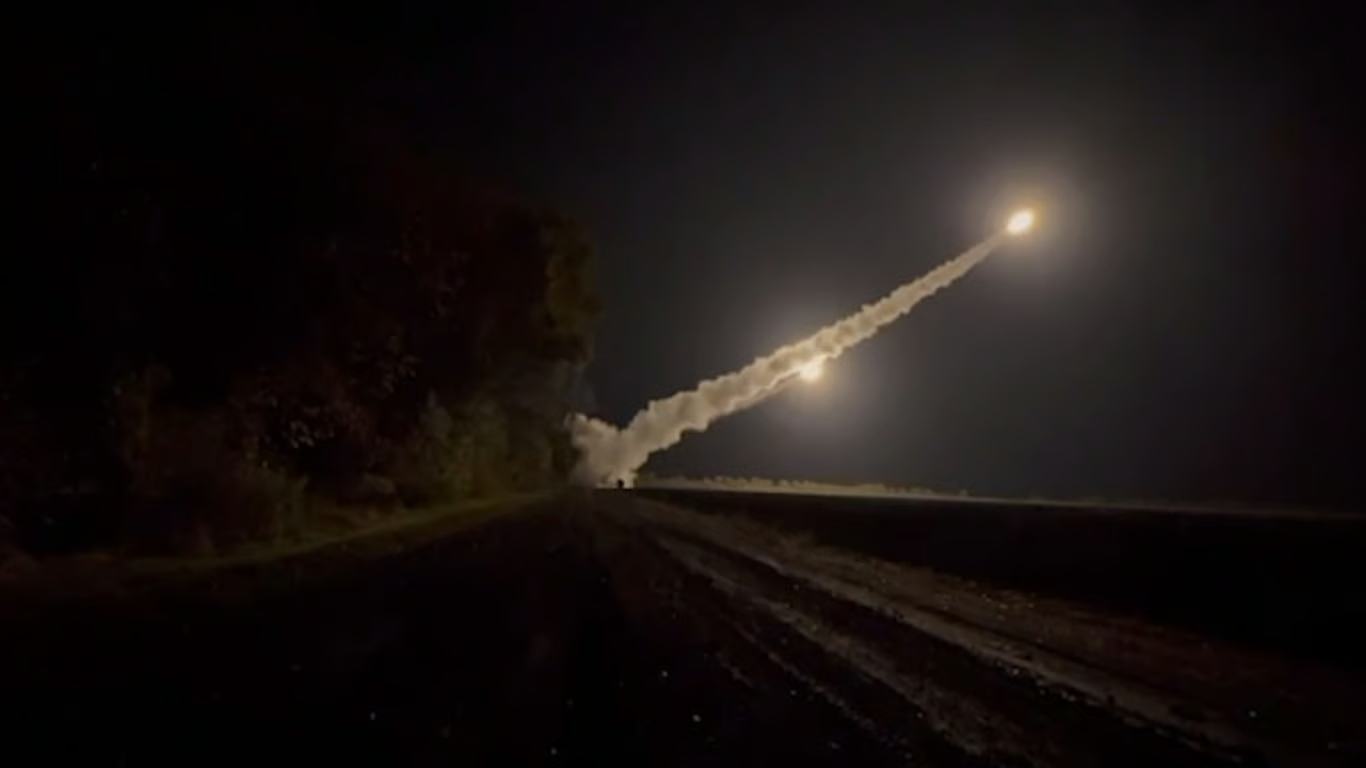
Later, the Defense Forces’ arsenal was expanded to include various versions of the US-made ATACMS ballistic missiles — with ranges of 165–300 km. The Russians were unable to intercept them, and it was the ATACMS that struck airfields and bridges deep within the occupied territories.
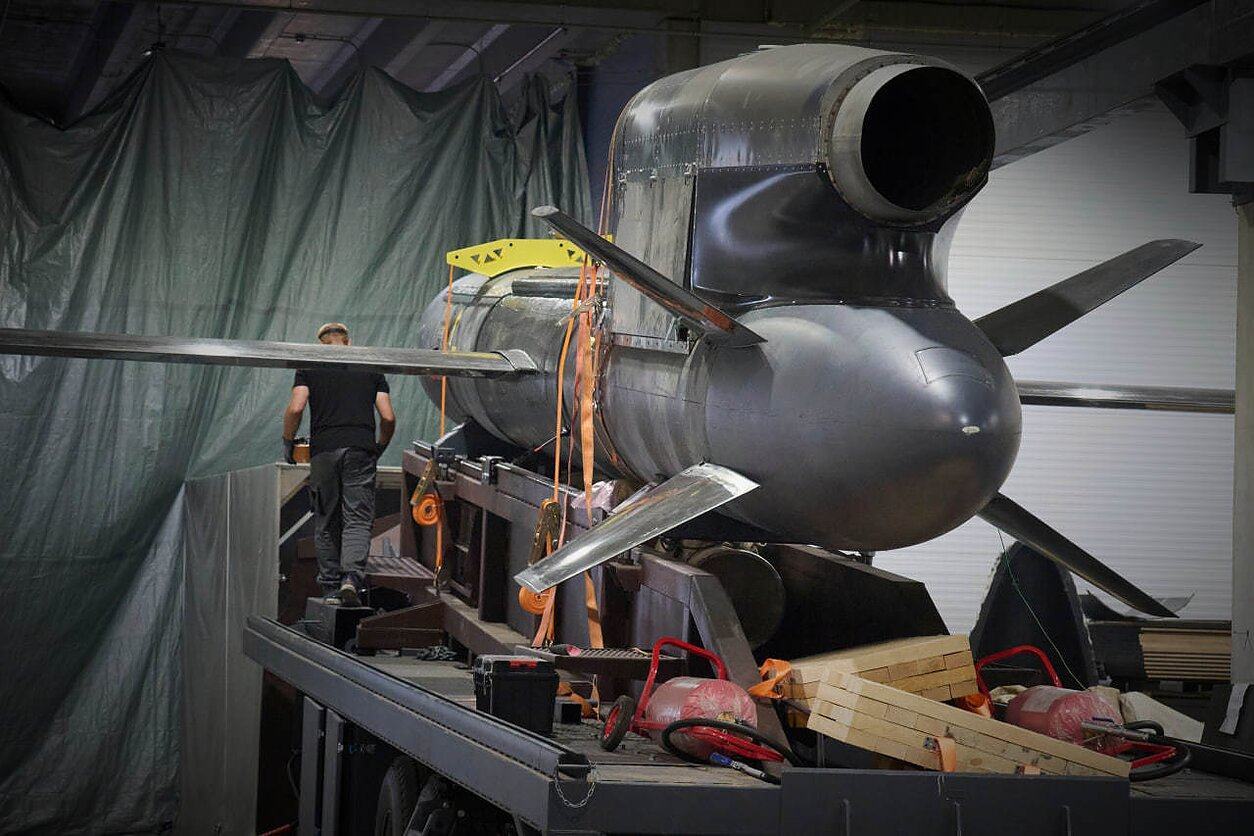
It is also worth mentioning the famous Neptune missile in its modified version. Originally, it was an anti-ship missile (which sank the cruiser Moskva), but Ukraine later adapted it for strikes against ground targets at ranges exceeding 400 km.
It is known that Ukraine already has even longer-range weapons in its arsenal.
Interoperability
Today’s strikes on Russian territory rarely involve "just one drone". Here’s how it works. Once a target has been selected and all available information about it — including personnel, supply routes for raw materials, and export routes for finished products — has been gathered, a flight path is plotted. Many factors are taken into account: terrain, building density, the presence of trees, power lines, weather conditions along the route and over the target, the number of air defense systems, and so on.
The strike itself is nothing like pressing a button in the movies. Synchronized operations are conducted from multiple launch sites.
FIRST, A GROUP OF CHEAPER UAVS IS LAUNCHED
First, a group of cheaper UAVs is launched. Their mission is to detect air defense activity, overload radars, and force anti-aircraft missile systems to expend missiles. The Russians operate the same way against Ukrainian cities.
Alongside the drones, other weapons — this time strike weapons — are being deployed. They fly low over the terrain, following complex routes through less well-protected areas.
By this point, the Russians have usually already sounded an air raid alert, and their EW and air defense units are in action. As a result of these countermeasures, some drones and missiles lose targeting accuracy and veer off course. But some get through.
And this is precisely the key logic of modern deep strike warfare: not an absolute breakthrough, but the constant strain on the defense system and its eventual breach.
Enemy defense industry facilities
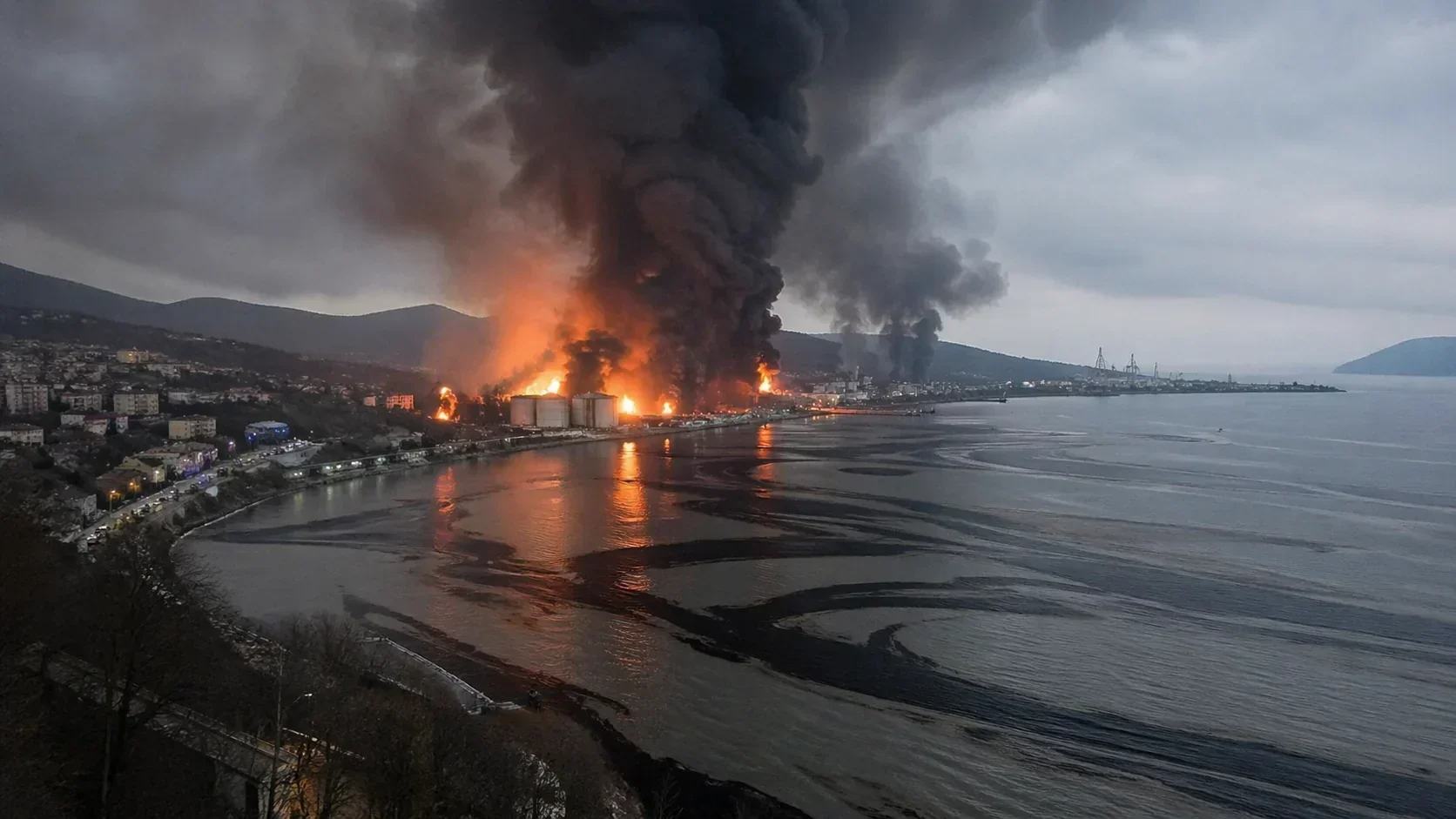
Fires, explosions, and smoke resulting from attacks on oil depots and warehouses — all of this is spectacular and visible from space. But far more significant are strikes against facilities that manufacture electronics, devices, components, communication systems, and optics.
The defense industry is a chain of interconnected systems. If, for example, a microelectronics production plant — where sterility, temperature, and humidity are strictly controlled — is knocked out, the entire production cycle could come to a halt. Therefore, a strike on a single building can have an effect disproportionate to the damage.
The hidden weak point
Russia has a powerful air defense system, but it is unable to simultaneously defend Moscow, all its oil refineries, airfields, factories, and warehouses across its vast territory. As a result, the enemy is forced to redeploy its anti-aircraft missile systems to fill the gaps constantly. This is gradually becoming the main outcome of the long-range "campaign".
When asked whether a strike would be launched on May 9 ( "Victory Day" celebrations in Russia) and where, one officer replied, "There’s so much of it, and it all looks so tempting… Wait until May 10 ".
Підпишіться, щоб отримувати найкращі статті на e-mail (раз на два тижні)

Підписатися