

Статті
"I used to be a convict, and now I’m a soldier". How Ukrainian prisoners end up on the front lines
A soldier with weary eyes calls himself "Krishna". He joined the army after being released from prison to defend Ukraine and to make his "father proud". 12,000 former convicts are serving in the special assault units of the Armed Forces of Ukraine. In total, as of 2024, there were nearly 39,000 prisoners in Ukraine. What challenges arise during recruitment? Who is ineligible to defend the homeland? And can former prisoners be assigned to positions and granted leave? Texty.org.ua reports.
Inside control
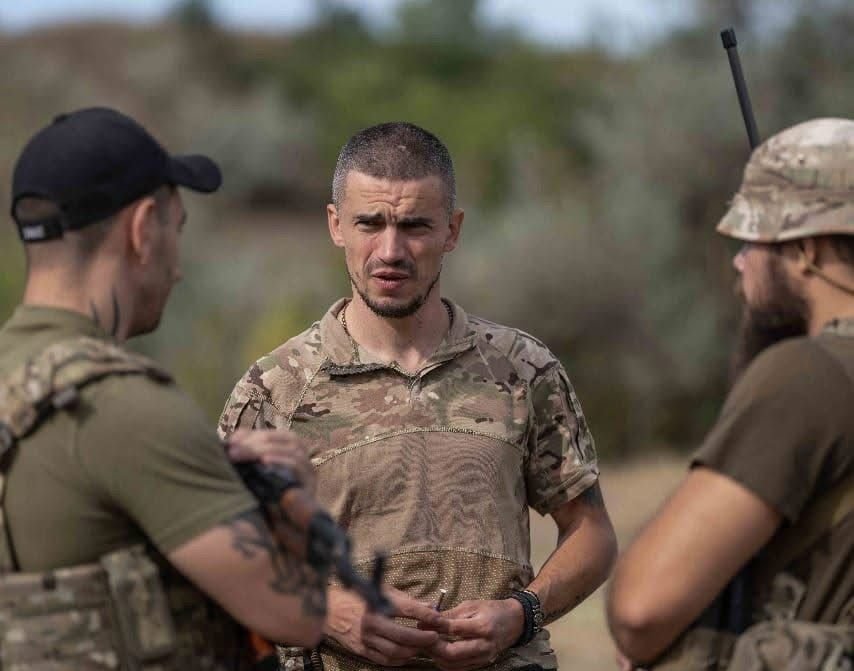
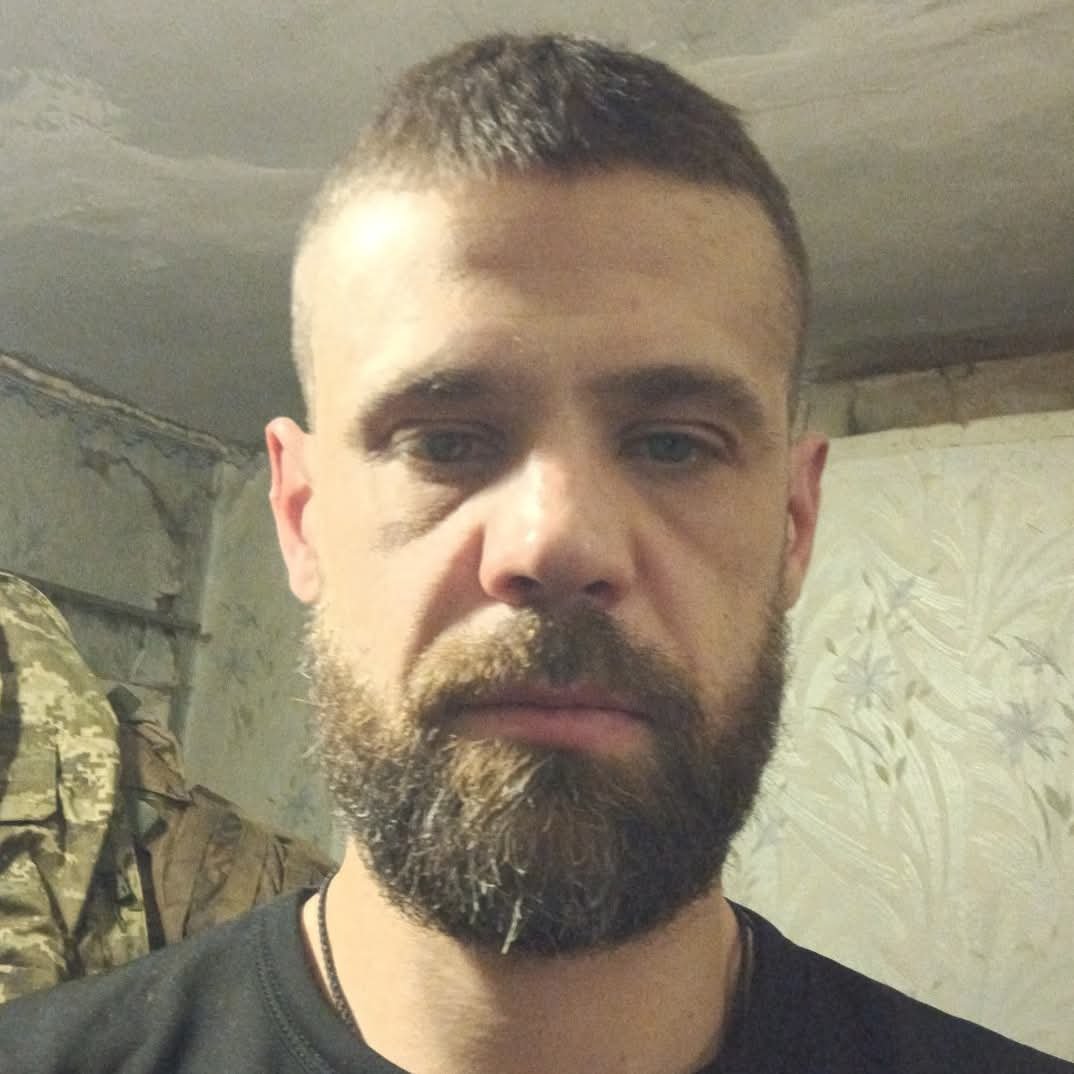
Krishna grew up in Ternopil (a city in the western part of Ukraine). He says he worked as an instructor at Bukovel (an all-season resort in Ukraine), traveled abroad to earn money, and had several criminal convictions. He is reluctant to talk about that time. It’s all in the past, he explains. He has a different life now.
The last time he was sentenced to 12 years. According to him, he found his neighbor dead. Since he already had a criminal record, he was suspected of murder. That’s how he ended up back in prison. But then an opportunity arose to take up arms and defend the country.
In 2024, a law came into force allowing prisoners to be granted parole to serve in the military. Recruiters coordinate with correctional facilities and visit them to recruit inmates into the military. Even at this stage, certain questions may arise.
"We coordinate all outings with the Department for the Execution of Criminal Punishments. We draw up a recruitment plan and submit it to them for approval: who will go, to which facilities, and during what time period", says the commander of the "Alcatraz" specialized battalion of the 93rd Mechanized Brigade "Kholodny Yar", call sign Validol.
Lawyer Anastasiia Kryshchanovch and anthropologist Tina Polek from the NGO "Pryncyp" conducted research titled "Service at ‘Shkval’: legal regulation and everyday experiences", in which they noted that the prison administration is not particularly interested in releasing "labor", especially those who are physically healthier.
This applies primarily to small correctional facilities with up to 500 inmates. After all, with a small number of inmates, there will be no one to work in production, revenue will decrease, and staff may even be laid off due to underutilization.
Sometimes, recruitment is used as an informal means of pressure against prisoners who conflict with staff. For those who refuse to comply, the chances of being released under a special parole program are significantly reduced.
"It’s not possible for a lawyer or the prisoner himself to inform the Territorial Centre of Recruitment that there is a volunteer ready for service. Everything depends on the will of the prison administration. If they want to interfere, they will," says Oleh Tsvilyi, head of the NGO "Protection for prisoners of Ukraine".
A Defense Intelligence of Ukraine unit selected four motivated enlistees at the colony
Oleh recounts an incident at the penal colony where the warden told recruiters that he had only four volunteers. When the recruiters asked to go inside and look for themselves, they were not allowed in.
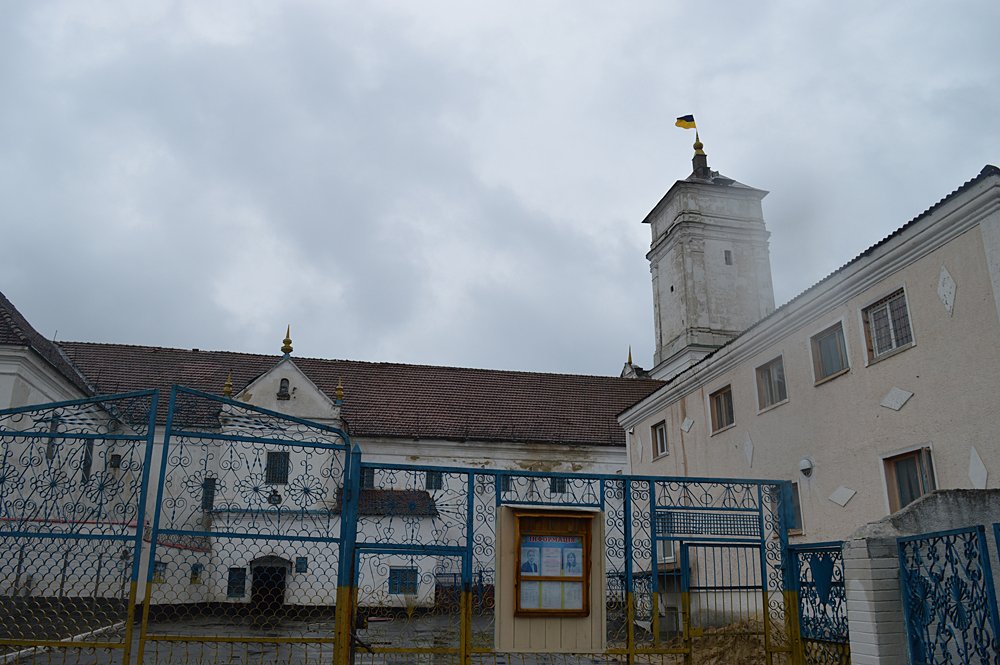
Meanwhile, at Zamkova Correctional Colony No. 58 (in the city of Izyaslav, Khmelnytskyi region), a unit of the Defense Intelligence of Ukraine selected four young, physically fit, and motivated enlistees. However, the facility received a letter purportedly from the Security Service of Ukraine (SSU), warning that the inmates were simply trying to escape. They were denied parole. The convicts’ lawyer filed a request with the SSU: it turned out that no letters had been sent from there.
But despite obstacles from the administration, word of mouth is spreading. The convicts find out on their own when recruiters are coming and submit their applications anyway.
Untouchables are not accepted into the army
To join the military, a convicted person must go through a special procedure. After an interview, a psychological evaluation, and a military medical commission, they must wait for the court’s decision. Only then can they begin their service.
According to Validol, if the Department for the Execution of Criminal Punishments says that a particular person does not qualify for parole, there is nothing that can be done about it.
"We are entirely dependent on the facility’s position, the court’s decision, the prosecutor’s office, and so on," he says.
They say right away that it’s an assault, a counterattack to retake lost positions
Convicts are only accepted into specialized assault units, such as "Shkval", "Alcatraz", and others.
Krishna wanted to join the “Alcatraz” unit of the 93rd Mechanized Brigade. He says he’d heard a lot of positive things about it, which is why he asked to be assigned there.
"During recruitment, no one is told that they will be drivers, cooks, or loaders in the rear. From the very beginning, they are told that the work involves offensive operations and retaking lost positions. That’s why it’s important to be in good physical shape," says Krishna.
At the time of his parole hearing, the man had served one-fourth of his sentence, which is mandatory for those convicted under Article 115 of the Criminal Code of Ukraine (murder). Although this requirement is not explicitly stated in the law, penitentiary facilities do not accept applications from those who have not served one-fourth of their sentence.
"I know there are exceptions where people are released after serving only a fraction of their sentence. That’s because corruption comes into play here. There is documented evidence of a case where a convict’s wife paid the prison warden 40,000 hryvnias to have her husband released under a special release program so he could defend the country," says Oleh Tsvilyi.
Prisoners serving life sentences are not even considered as candidates
Prisoners serving life sentences for the murder of two or more people, as well as for treason and sex crimes, are not even considered as candidates. According to Oleh Tsvilyi, each case must be approached on an individual basis. After all, even among those serving life sentences, some have been wrongfully convicted.
"There was a case where some guys served 20 years, and then it turned out that the person they were accused of murdering was still alive,” says the human rights activist".
He disagrees with the notion that prisoners released on parole can only serve in assault troops. This approach ignores a large number of volunteers who could be useful during wartime.
There are many women who want to help defend the country
"Why does it have to be a special forces soldier? Many people, including women, want to help defend the country. They could learn some other profession," says Oleh Tsvilyi.
Assault special forces, in his opinion, aren’t perfect either. There are cases where, due to poor service conditions, discharged soldiers have committed crimes again to get back into prison, and then transferred to another unit.
"People need to be among ordinary people and not have that prison stigma follow them around their whole lives. In essence, in some military units where convicts are recruited, they’ve created a new prison where all the subcultural elements end up," says the human rights activist.
There is an informal hierarchy in prison. A study by the NGO "Pryncyp" provides a rough outline.
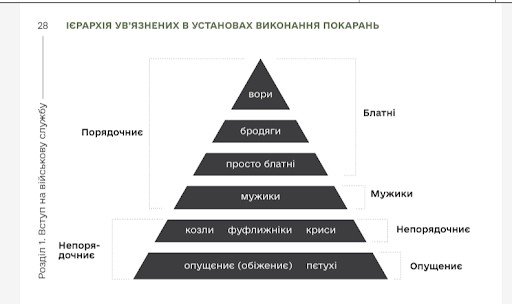
According to the study, it is most often people from the "muzhiki" (regular prisoners) caste who sign a contract after being released under a special parole program. However, it is not uncommon for "blatnye" (high-status prisoners) or ordinary "goats" (collaborators) individuals to join the service. Read more about post-Soviet prison castes here.
Brigades generally try to avoid the "opushchennye" (untouchables) caste for objective reasons — they are in the poorest health. Additionally, their presence can provoke conflicts within units. The commander of "Alcatraz" compares this to civilian life. When a person joins a group and starts spreading rumors or "stirring up trouble", the group falls apart.
"We’re not in a position to take in just anyone and then not know what to do with them. We’re not a charitable organization that provides services to help people get out of prison. We’re carrying out combat missions," says Validol.
There could be a job for everyone
Oleh Tsvilyi calls this approach discriminatory. There could be a job for everyone. Those who perform such tasks in prison could be assigned to clean or care for bedridden patients. To properly tap into the recruitment potential of prisons, the human rights activist believes the law needs to be amended.
"After release, they take anyone and everyone. And they don’t even look to see who he is. They took a mentally ill man from the Sokyryany Correctional Colony that way," he says.
No vacations, no military ranks
Soldiers who have been deployed on special missions are not eligible for annual leave. However, they may be granted short-term leave "due to family reasons". It all depends heavily on the commanders, and this is done informally.
"I can grant a few days off. It’s my decision, my responsibility. To keep people from burning out and ensure they can carry out their tasks, there need to be some incentives," explains the commander of "Alcatraz".
Krishna says he’s granted five days off. Two days traveling, three at home.
"If two people are heading in the same direction, they’re both granted leave. When they return, the next ones get their turn. If someone decides not to come back, the others won’t get their leave," says Krishna.
Validol says that their unit is disciplined. Desertions during leave are rare.
"Well, he’ll run away. He’ll be on the run for a week, a month, or even a year. They’ll catch him anyway. Then what? They’ll imprison him or transfer him to another unit," he explains.
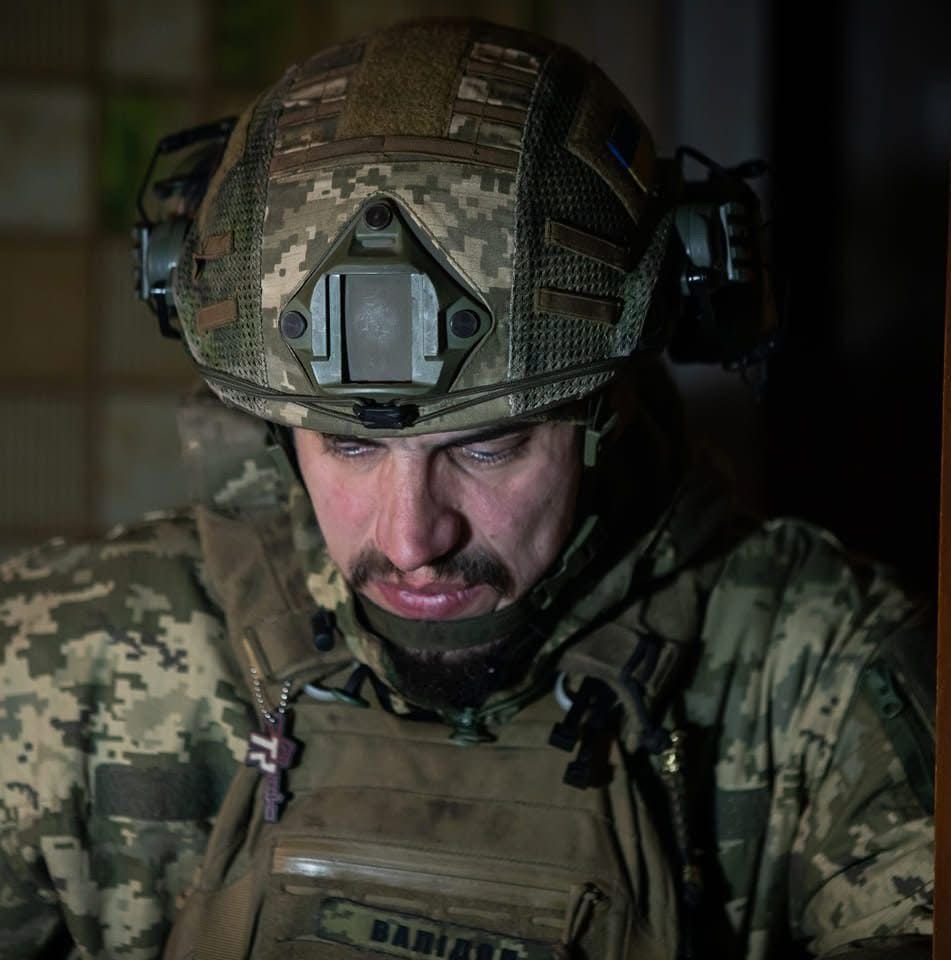
Former prisoners are not granted a 90-day leave after returning from captivity (they do not get to choose whether to continue their service after captivity. They must return to the front). They are also ineligible to receive military ranks.
"I’m a soldier, an ordinary soldier. We can’t be promoted in rank until the remaining part of our sentence is served," says Krishna.
But those who have proven themselves can be unofficially appointed to leadership positions. Krishna initially fought in the infantry. After being wounded, he now operates drones and serves as a platoon leader. Validol says he has performed well and has a good grasp of the technology.
"If a person is capable, if they work hard, there’s work for everyone," explains the commander.
"If a person tries their best but something doesn’t work out, they’ll be helped along," adds Krishna.
Without a proper burial
If a former prisoner has suffered a serious injury and is unable to continue serving, problems often arise. Under administrative supervision, such a person must remain at the military unit even after being injured.
"One man was drafted without a passport. He doesn’t have a military ID. But they sent him to Kursk. There, he lost both his legs. Yet he still doesn’t have a passport, so he can’t receive any financial assistance and can’t be discharged from service. The military hospital can’t keep him there either. It’s a very difficult situation," says Oleh Tsvilyi.
In the event of their death, former prisoners are also treated "differently". They cannot be buried at the National Military Memorial Cemetery. Even in small towns, they are buried separately.
"Perhaps somewhere, at the local level, someone ignored the law and buried them alongside all the heroes. But personally, I attended a funeral where the deceased were buried separately," says Oleh Tsvilyi.
WE NEED TO CREATE CONDITIONS THAT WILL ENCOURAGE PEOPLE TO JOIN THE ARMY
Despite all the challenges, convicted prisoners are fighting and even receiving awards. They sometimes carry out combat missions even better than regular conscripts, according to the commander of "Alcatraz".
According to Oleh Tsvilyi, changes need to be made to the law to create conditions for prisoners that would make them want to join the army and have a chance to clear their names before society and their families. The NGO "Pryncyp" has developed recommendations for the Ministry of Defense of Ukraine that would help resolve the current issues.
"The biggest motivation for me was that my parents are now proud of me. I used to be a convict, and now I’m a soldier," says Krishna.
Підпишіться, щоб отримувати найкращі статті на e-mail (раз на два тижні)

Підписатися