Game over. Analysis of Russian methods of recruiting Ukrainian teenagers
Russian special services continue to recruit Ukrainian teenagers. Gamification of the process, turning tasks into challenges and pranks, helps attract children and force them to commit crimes. How does the system work? What psychological techniques do the FSB and GRU use? And why is it impossible to win this game? Here is a simplified step-by-step algorithm.
A deadly "game"
Let's imagine a recruiter named John Doe. This is not one person, but a collective image of an entire department. After all, the special services approach tasks systematically. There is a certain hierarchy.
"This is not just one maniac. This is a systematic operation of psychological influence, built according to a classic scheme," says Viktor Yahun, former deputy head of the Security Service of Ukraine (SSU), SSU reserve major general, military and public figure.
For simplicity and clarity, let's imagine a specific person, John Doe. Recruitment is not a special task for him, but a daily routine. The more people he recruits, the bigger the bonus he will receive. Either a new chevron or a star on his epaulettes.
Volodymyr Palyvoda, head of the State and Public Security Department of the Security Research Center of the National Institute for Strategic Studies and an expert on the activities of special services, says that every special service has certain plans and tasks.
"You can imagine it like this: a month goes by, and the recruiter is asked, 'How many cars did you blow up in Ukraine? How many relay cabinets did you burn down?' His bonus, promotion, and so on depend on this," explains Volodymyr.
John is the author of a game whose price is the lives and freedom of children. The recruiter creates the rules, makes each level more difficult, changes the skins, and earns coins. Just as there are clear rules in computer game programming, recruiters have manuals. John's great-grandfathers used them, but they are still relevant today. Volodymyr Palyvoda says that recruitment is based on fundamental principles of psychology. The world around us is changing, but people are not. They are still driven by fear and greed.
In programming languages, there is a command "If... then". John has something similar. He has answers to all your reactions in advance.
"This is a programming algorithm. It's just that he's programming a child instead of a computer," notes Viktor Yahun.
Volodymyr Palyvoda says that recruiters usually follow this pattern: establishing contact → testing (a minor request) → reinforcement (payment) → transition to illegal activities → recording compromising evidence (to make refusal impossible). However, experienced operatives always adapt this pattern to the agent's personality type. Why aren't games equal?
Level 1. Choosing a recruitment target

John Doe goes online to hunt for kids. He studies social media users. He's especially interested in those who hang out in destructive groups, complain about their parents, have relatives in the military, or are internally displaced persons. He pays attention to those who write offensive things about the state or society. Those who are interested in military affairs or weapons are good targets. Those looking for easy money also fall into his field of vision. John uses all available social networks and messengers: Telegram, TikTok, Instagram, job search chats, regional or local groups, online games, and dating sites.
To automate the process, you can outsource it to private scam call centers. Give them the manuals, and they will call people en masse and post job offers.
Advertisements can be of various types. For example: "Looking for an easy way to make money? No investment, no deception, no risk. We will show you, explain, and teach you. Write to us".
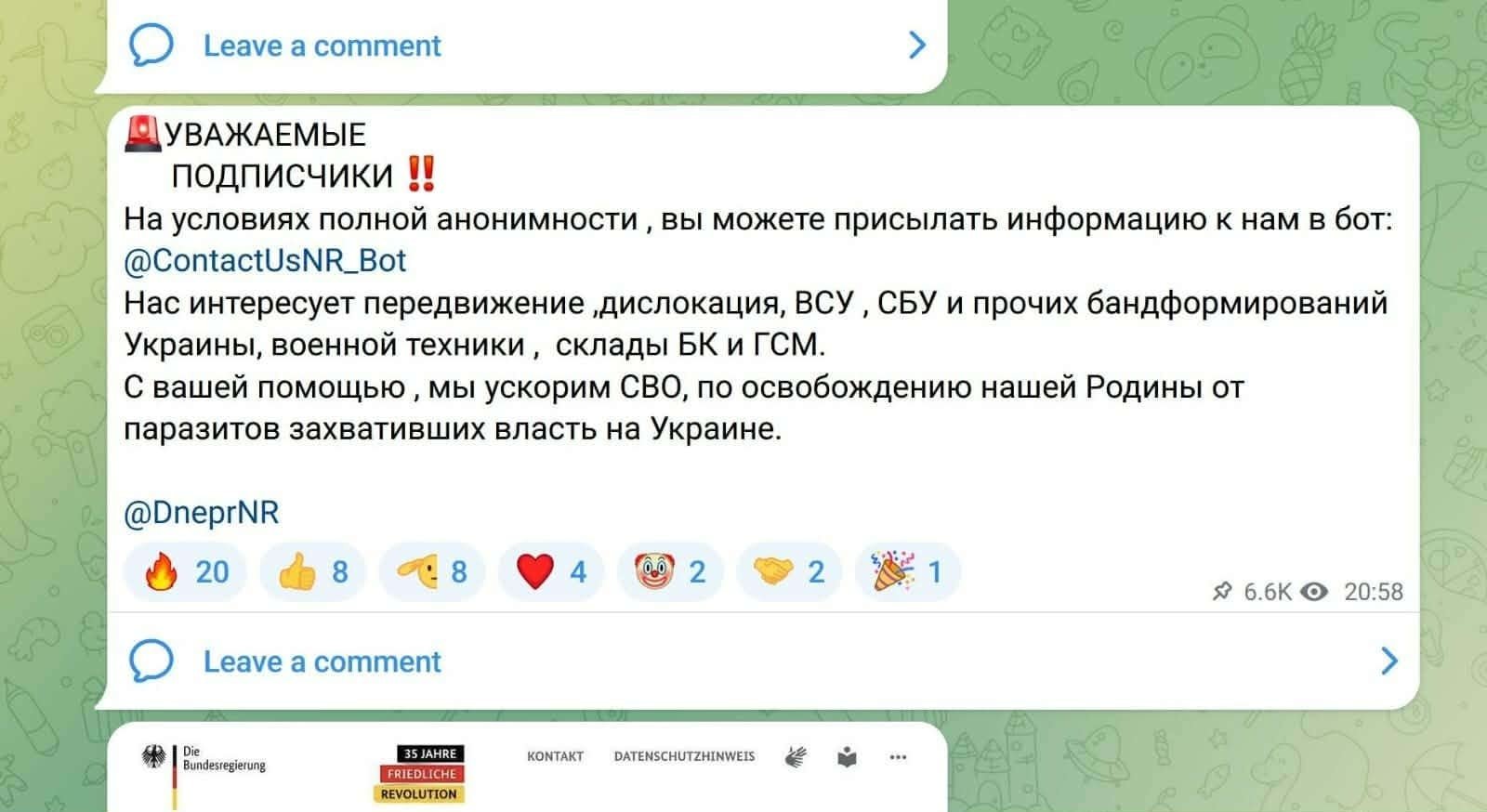
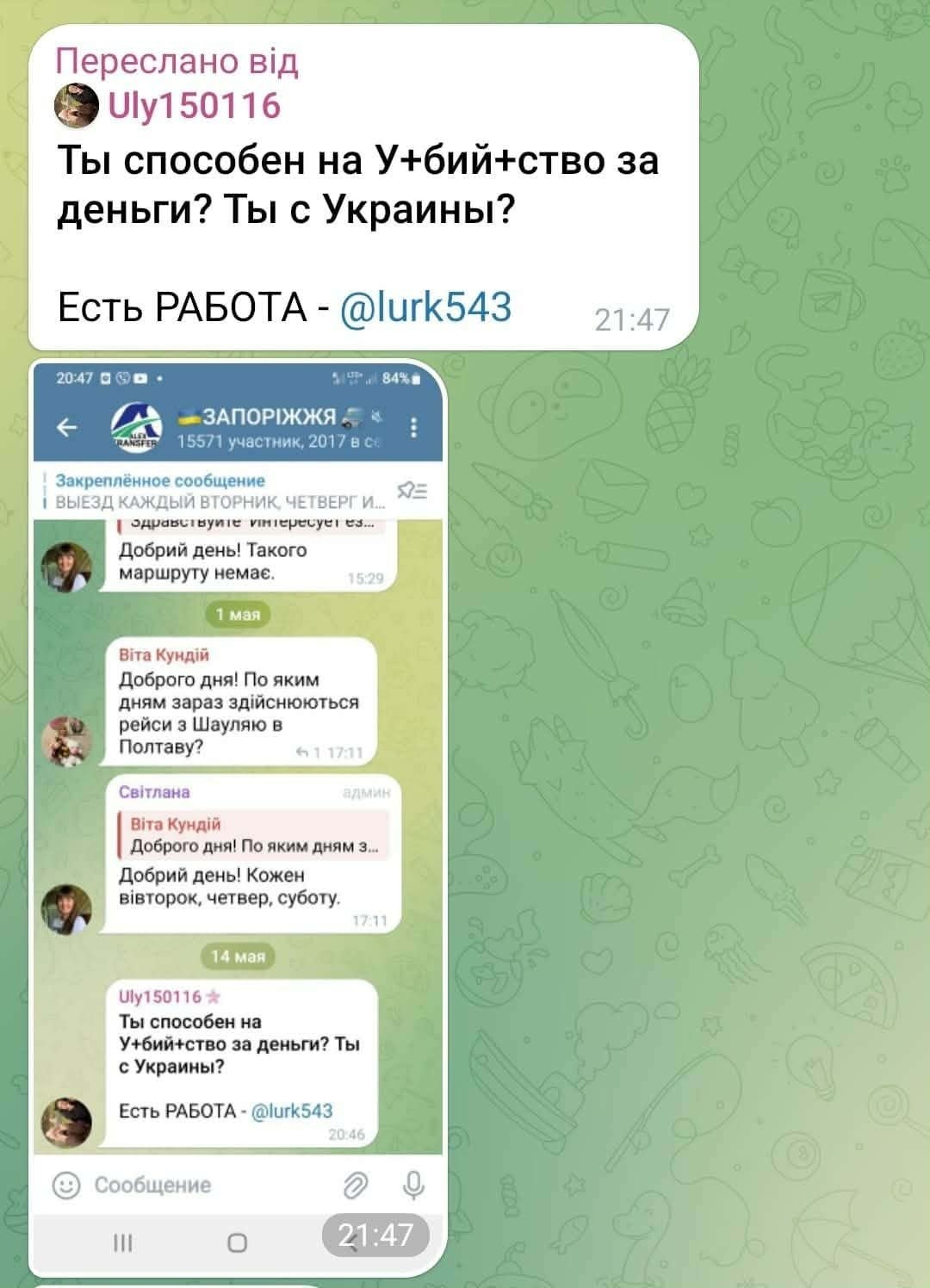
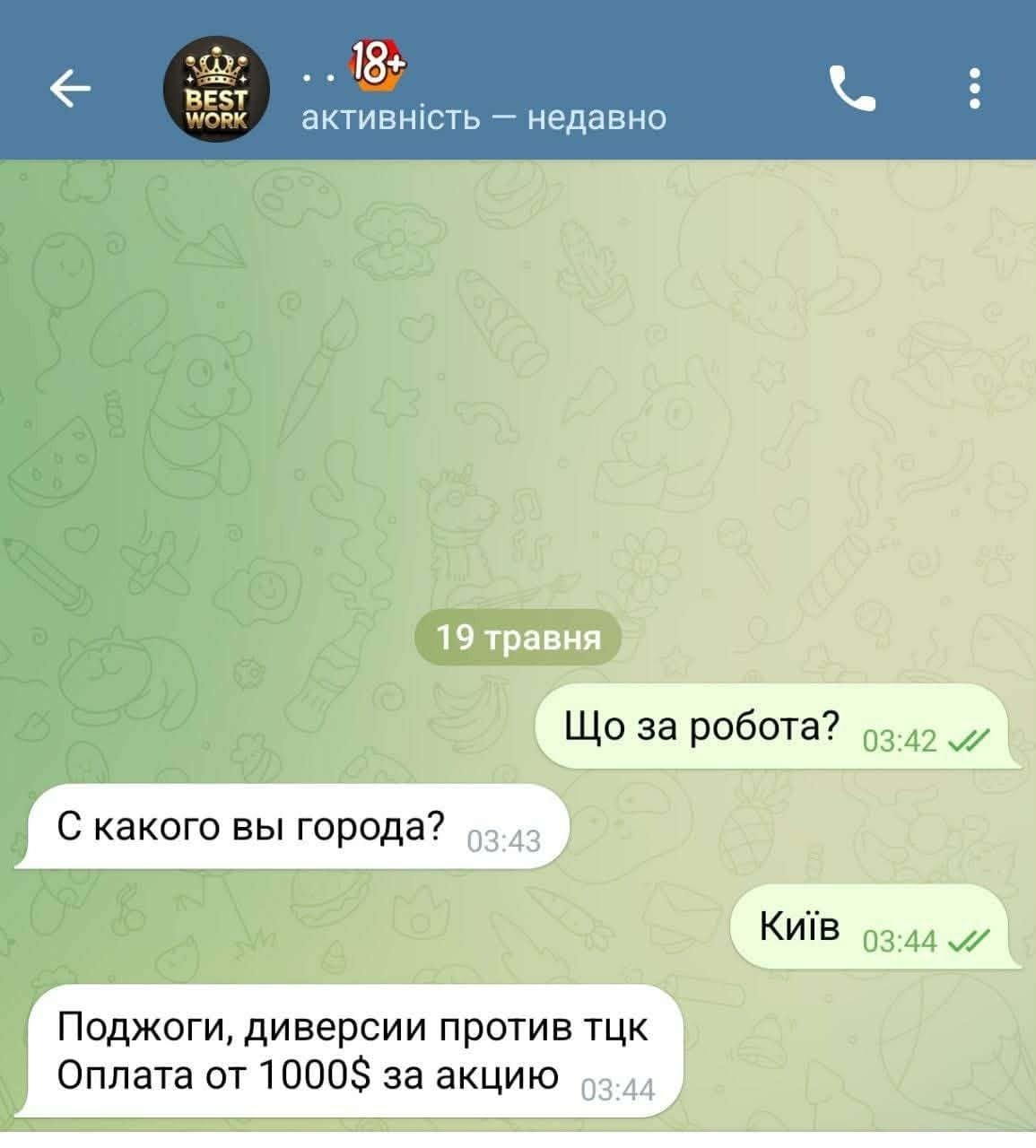
There can be many ads. The more people read them, the better for John.
"If one person out of a thousand agrees, that's 0.1%. That's a normal rate. If you send an offer to 100,000 people and 100 agree, that's already 100 terrorist attacks," explains an anonymous informed source.
According to Volodymyr Palyvoda, the following should be alerted to in the ads: anonymity (no company name specified); large sums of money for simple actions; tasks related to critical infrastructure or the military; payment only in cryptocurrency or from fake cards, as well as the requirement for photo or video reports.
John also reads and analyzes user comments. He may respond to genuine job advertisements. This was the case with a 17-year-old girl who photographed the Burshtyn Thermal Power Plant.
"In this war, the front line runs not only through the trenches, but also through our children's messengers," says Viktor Yahun.
Level 2. Establishing trust

John can also earn a teenager's trust. This is often done in online games. Teenagers from different countries play the same game there. John finds a potential victim and becomes a kind of older friend. He may ask how things are going, how school is, and how parents are doing. He may comfort and listen. He may even flirt with someone of the opposite sex.
This is what happened, for example, to Khrystyna Harkavenko, who filmed Ukrainian military equipment moving from the window of the church where her father, a priest, served. She fell in love with her recruiter.
John can promise a better life. Khrystyna herself said that she would like to live in Russia with her relatives, even though she had never been there before.
We still have a lot of people who believe that life in Russia is better, fairer
"We still have a lot of people who believe that life in Russia is better, fairer, richer, and more peaceful. They associate everything bad with independent Ukraine and everything positive with neighboring Russia. And the less a person knows about the real state of affairs in Russia, if they have never lived there or traveled there, the better it is for the Russians. They know how to make big, beautiful promises," says an anonymous source from the special services.
John Doe carefully studies the "player's" profile: their social media, circle of friends, and political views. He can look in registries or leaked databases for relatives, debts, or problems with the law. If necessary, he can hack into their email or messenger, download intimate photos, if there are any. All this will help him get closer, ask about what really hurts, and will also be useful in the next stages for blackmail.
Level 3. Hook the victim

Now John Doe's task is to hook the victim, to check how willing they are to do something for him. To do this, he creates the illusion that the task is easy to complete. Just like in the first levels of the game. The teenager should feel the thrill, the taste of easy money, or the opportunity to be an important person.
"This is a test of obedience. If the child completes the task, they are already psychologically involved in contact with the recruiter. If there is no contact, it can be interrupted and tried again later. If there is no contact the second time, then they are rejected," explains Viktor Yahun.
Among John's tasks could be the following: buy a SIM card, shoot a video near the school, photograph a military facility or military vehicle, write an anti-Ukrainian slogan on a wall somewhere, put up pro-Russian leaflets, and leave a GPS marker.
"It's just a photo. Nothing will happen to you! You're a minor," John writes.
"Nothing will happen to you! You're a minor"
Volodymyr Palyvoda says that teenagers easily agree to paint on walls. They have done it before, and now they can do it for money.
"This is a classic method of gradual involvement in cooperation. If a claw is caught, the (whole) bird is lost," says Volodymyr.
For example, in Dnipro, a vocational school student first photographed a khaki Nissan pickup truck and sent it to the curator.
As soon as the photo reaches John, he rubs his hands together. Now it will be difficult to get off the hook. John is not inventing anything new. He works according to rules developed long before he was born. There are even recruitment formulas that are used by all special services around the world. During the Cold War, the Americans created a recruitment formula, MICE:
Money — the most common motive;
Ideology — political beliefs, "Russian world," anti-Western sentiments;
Compromising information/coercion — blackmail with criminal liability, intimate photos, threats to family, which is especially relevant for those who have relatives in the occupied territories;
Ego — vanity, arrogance, desire to feel important, resentment towards one's leadership or the state in general.
Psychologist Robert Cialdini proposed a new recruitment formula, the RASCLS (although not specifically for special services). Here are six key principles that motivate people to say "yes":
Reciprocity — people feel obliged to return a favor or gift;
Authority — trust in experts;
Scarcity — people value more what is hard to obtain or limited in time;
Commitment — people strive to live up to their previous words and actions;
Liking — common interests, compliments; the likelihood of a deal is higher if the customer feels sympathy for the seller;
Social Proof — people tend to follow the example of others, especially in situations of uncertainty.
Russian special services use both formulas in their recruitment activities.
Viktor Yahun says that the following types of motivation work on teenagers: money, the feeling of being a hero, secrecy, and involvement in special operations. That is why operations "under a false flag" become possible.
Level 4. Commission of the crime
At this stage, John Doe gives a real task and offers an attractive sum of money to the teenager. It will be a real crime: to set fire to a relay cabinet on the railway or a military vehicle, to take explosives to the Territorial Centre for Recruitment and Social Support (TCRSS). For example, the guy who photographed the car in Dnipro was ordered to burn it. He poured flammable liquid on the front fender of the car, set it on fire, filmed everything on video, and sent it to his supervisor. He was promised $2,000 for this.
Volodymyr Palyvoda explains that setting fire to any car is intended to create fear and chaos.
"The activities of the Russian special services are aimed at creating mass terror. The more such cases there are, whether successful or unsuccessful, the better for them. This all incites the mood of the population. It's psychological warfare," says the expert.
In Boryspil, two teenagers aged 16 and 14 burned down a Ukrainian state-run railway operator "Ukrzaliznytsia" relay cabinet for 9,000 hryvnias (204 US dollars). They took a crowbar, white spirit solvent, and matches, and went to carry out the task given to them by John Doe. One of them opened the door with a crowbar, poured solvent on it, and set it on fire. The other filmed it on video as proof for John. After the boys received the money, John ordered them to burn another relay cabinet.
In Kharkiv, a 17-year-old girl recruited by the FSB took a homemade bomb from a hiding place disguised near garbage containers during curfew. She was supposed to take it to the city center and hide it so that it could be detonated during rush hour, when there would be the most people. Also, on the instructions of the special services, the girl bought chemicals and nails to make explosives herself.
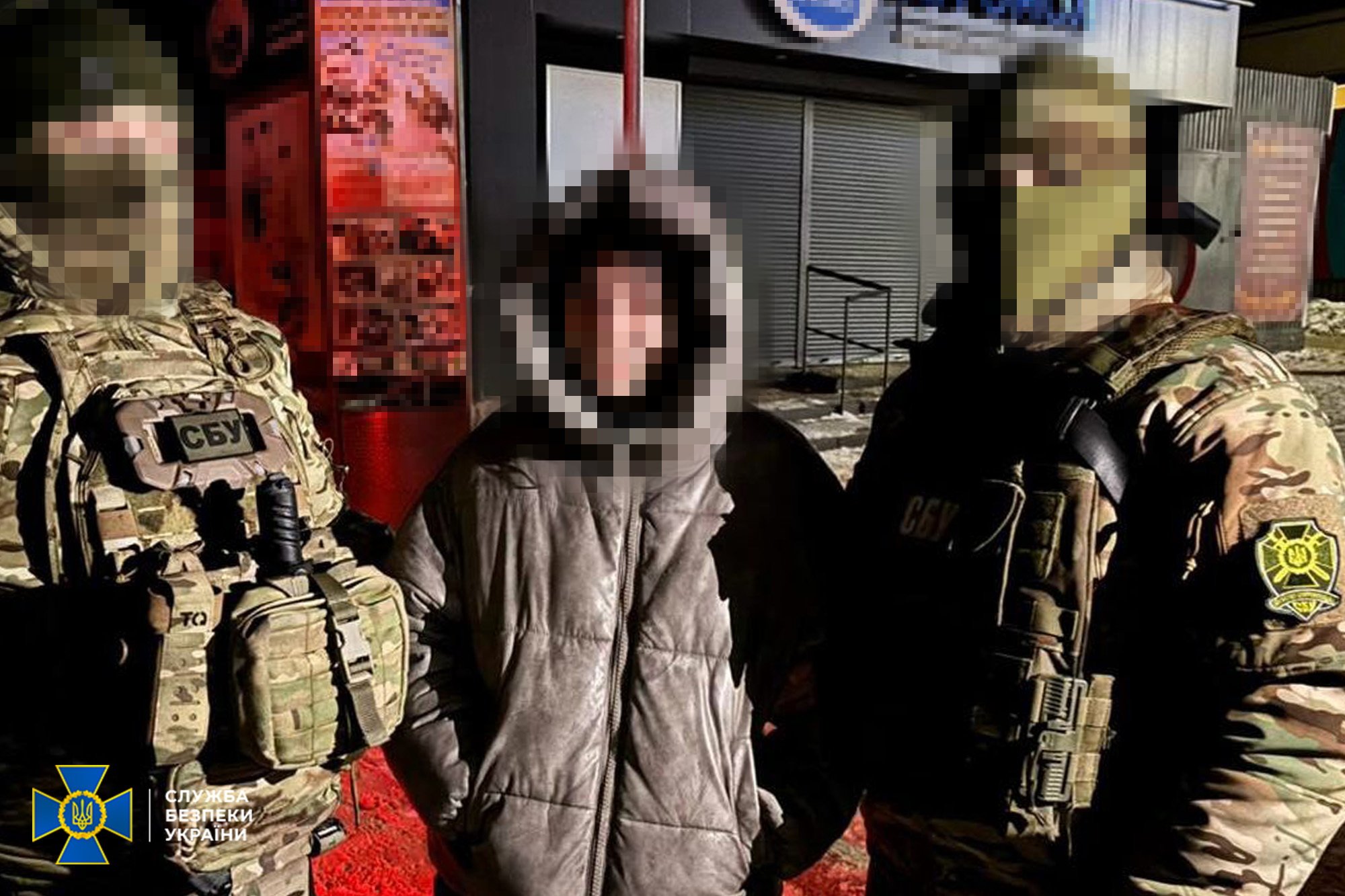
Photo: Facebook page of the Security Service of Ukraine
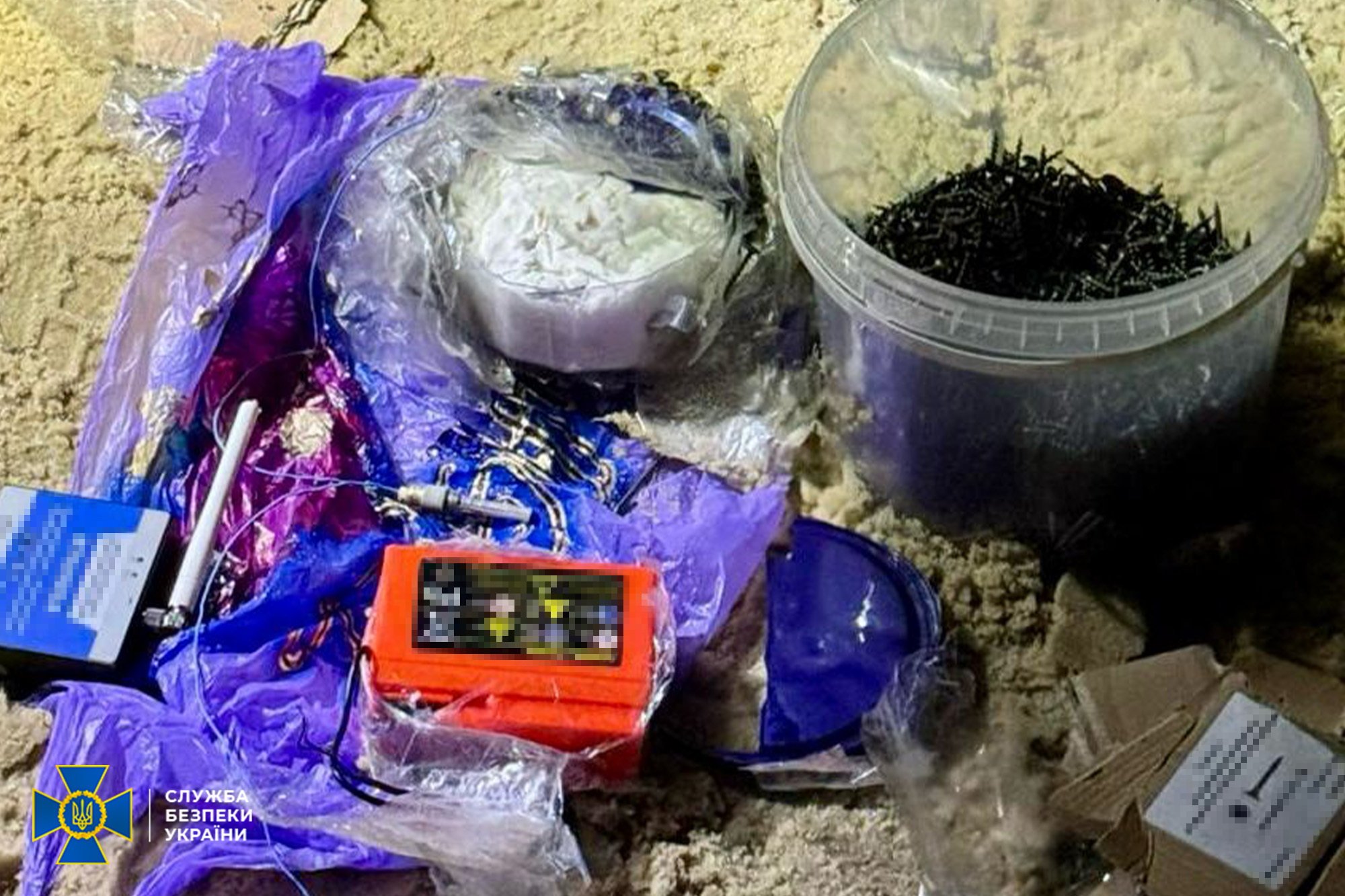
Materials used to make a bomb. Photo: Facebook page of the Security Service of Ukraine
John can change skins, that is, pretend to be someone else. For example, an SSU employee. He can carry out operations "under a false flag". He can demand that a malicious program be installed on a phone and monitor its owner.
John wrote to the teenagers who burned the relay cabinet in Boryspil that his company would install a new one under contract. The boys thought he was a representative of a Ukrainian company because he wrote quickly in Ukrainian.
The cheapest tool for sabotage is a child who does not understand that they are being used
According to the SSU, a total of 800 crimes committed by Russian special services were documented in 2025. These included sabotage at Ukrzaliznytsia facilities, arson attacks on Ukrainian military vehicles, and explosions near TCRSS buildings, law enforcement agencies, etc.
Twenty-five percent of those recruited by the Russians were minors. The youngest participant was only 11 years old at the time of the offense.
"The cheapest tool for sabotage is a child who does not understand that they are being used," says Viktor Yahun.
Level 5. Kompromat and isolation
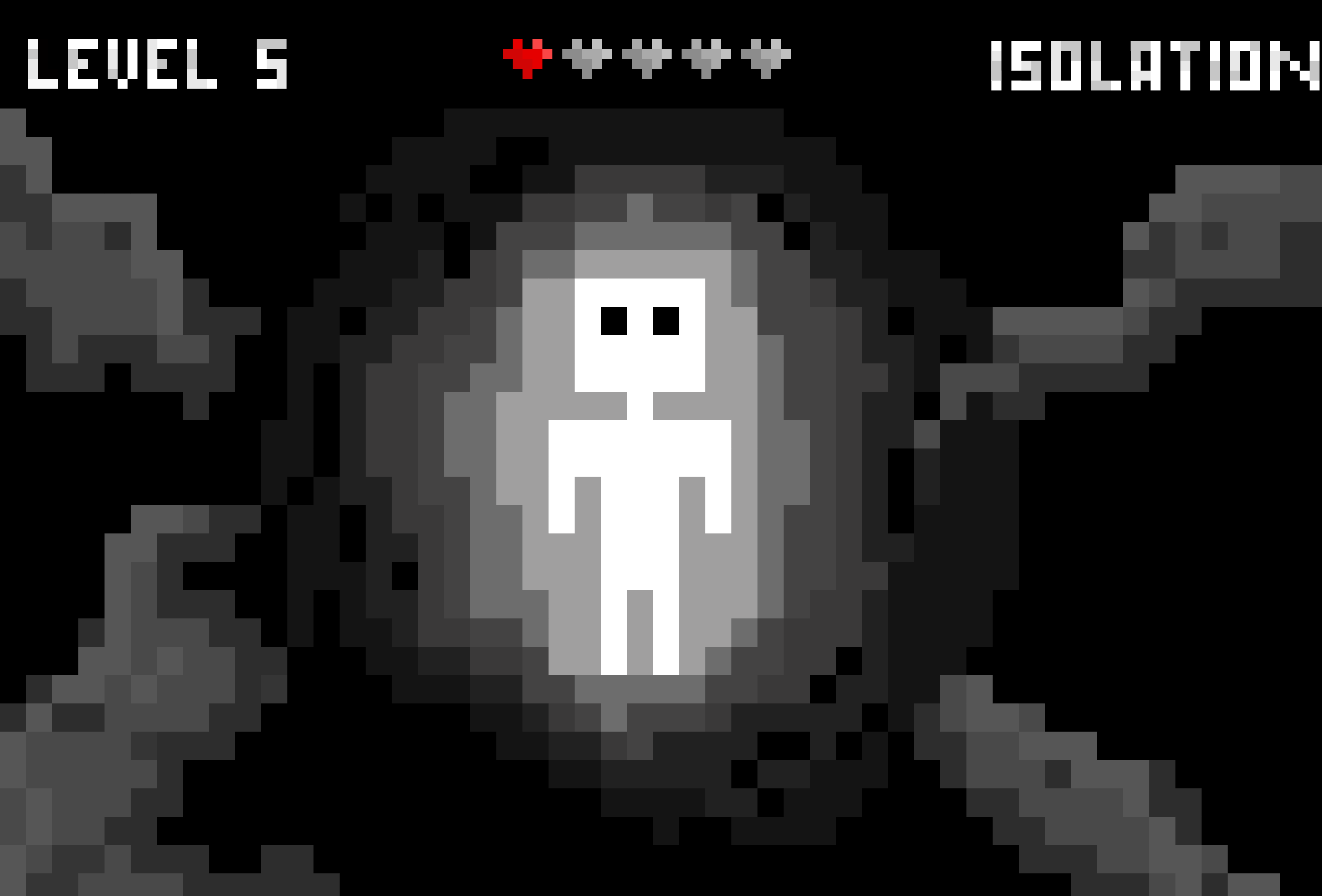
John Doe will not leave the teenager alone. He will do everything to make him feel cornered. If at first John said that he was not in any danger and had nothing to fear, now he quotes the Criminal Code and says that criminal responsibility begins at age 14 and that the teenager faces several years in prison. There may be threats to tell the parents, or blackmail with intimate photos. And, of course, demands to remain silent.
"The recruiter instills in the child a feeling that there is no way out," says Viktor Yahun.
John will make the child lonely, silent, and frightened, and then suggest: "It's better to earn money and be a hero with us than an outcast at home", "You'll be sent to prison anyway, so you might as well be with us".
The recruiter instills in the child a feeling that there is no way out
Game Over

The game will only proceed as John has programmed it. Each level becomes more dangerous than the previous one. The teenagers don't notice how they end up trapped. Players may recklessly think that they will be able to win or quit at any time. But John Doe won't let them go so easily. He will smile and launch the final level, in which it is impossible to respawn (be reborn).
"For the special services, teenagers are expendable. One child can only be used once or twice," says Viktor Yahun.
After the operation, John can betray the teenager to the SSU or force him to carry out a risky task (for example, plant explosives) and simply kill someone.
Or our special services will stop the game. SSU employees prevent 80% of attempts to carry out terrorist attacks or sabotage and detain every agent who commits such crimes.
The SSU detained the girl who photographed the Burshtyn Thermal Power Plant. She faces up to 10 years in prison. Khrystyna Harkavenko will spend 15 years behind bars. The girl from Kharkiv also faces 15 years.
Volodymyr Palyvoda says that even the failure of "one-time" agents, when the police or the SSU catch them, is used by the Russians in information wars to show that Ukrainians are betraying their people and fighting against the "Nazi regime".
However, there is a way out
The best solution is not to start playing with John Doe. But if you have already tried it, contact advanced "users" — the police or the Security Service of Ukraine:
via the chatbot "Burn the FSB agent";
the SSU hotline at 0 800 501 482;
or 102 (National Police).
Since December 2024, when the chatbot was launched, the service has received over 17,000 requests, a significant portion of which came from minors.
Texty.org.ua created this publication with the support of the Askold and Dir Fund, administered by ISAR Unity within the framework of the project "Strong Civil Society in Ukraine — a Driver of Reforms and Democracy" funded by Norway and Sweden. The content of the publication is the responsibility of Texty.org.ua and does not reflect the views of the governments of Norway, Sweden, or ISAR Unity.