"People are capable of much more than they imagine". How Ukrainian soldiers are coping with the bitter cold
Donetsk region. Four in the morning, and infantrymen move to their combat positions. It is −10°C outside, but according to the soldiers, the frost feels much stronger in the fields, forests, and steppes. They spend a lot of energy not on combat operations, but on fighting the cold. Texty.org.ua tells how soldiers survive in the bitter cold.
Backpack for survival in combat positions
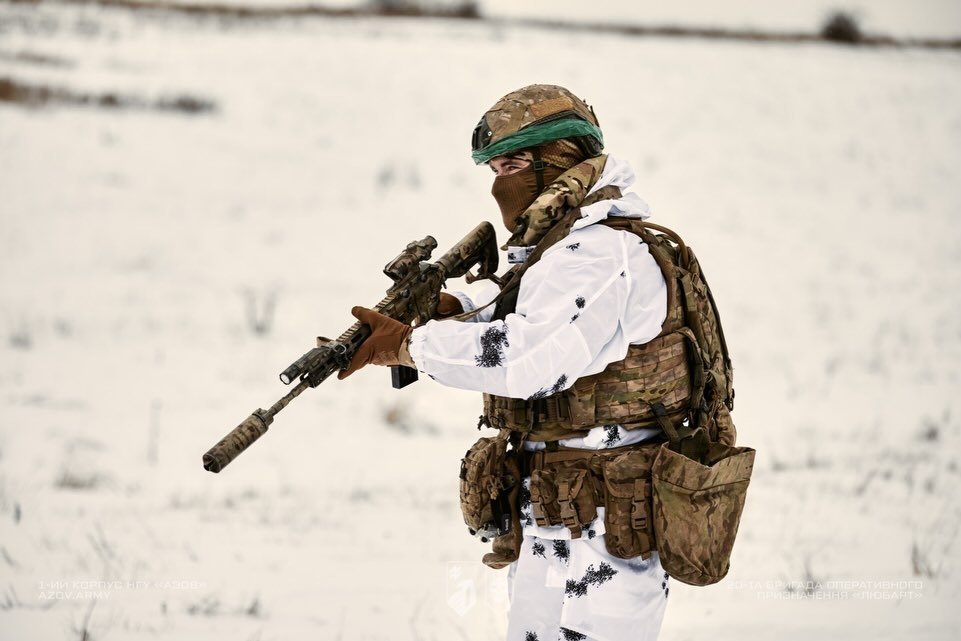
"There's no need to rush here," says Ihor, who serves in the 3rd Separate Assault Brigade. Preparing to move to a combat position begins with packing your backpack. Its contents will determine what the next few days will be like.
"My backpack weighs about 60 kilograms. Of course, it contains ammunition and everything else I need. Nothing extra. Because I can't physically carry it," says the trooper.
It is advisable to change socks every day
In addition to the standard military kit and sleeping bag, Ihor takes extra socks. It is advisable to change them every day. He has two pairs of gloves: one pair to wear when moving around, and a spare pair to keep dry. He packs quite a few chemical warmers (rectangular flat packets containing a bulk material or liquid).
He also packs wet wipes and a dry shower set (sponges with disinfectant gel that activates with a small amount of water) — these will help maintain hygiene.
For food, Ihor takes dry rations, instant porridge, instant coffee, nuts, and lots of candy bars, bought in advance at the store.
In winter, you constantly crave sugar, especially when you're in a combat position
He puts the sweets on top of his backpack. "In winter, you constantly crave sugar, especially when you're in a combat position," he explains.
Ihor dresses according to the principle of layering: a combat jacket, a light coat, and a pea jacket. This helps the body retain heat better, and when it gets hot, you can take off one or two layers. Thermal underwear is a must. Everything is chosen so that you can move freely and at the same time not freeze when you are not moving.
YOU HAVE TO WALK TO THE COMBAT POSITIONS, SOMETIMES 20–25 KM
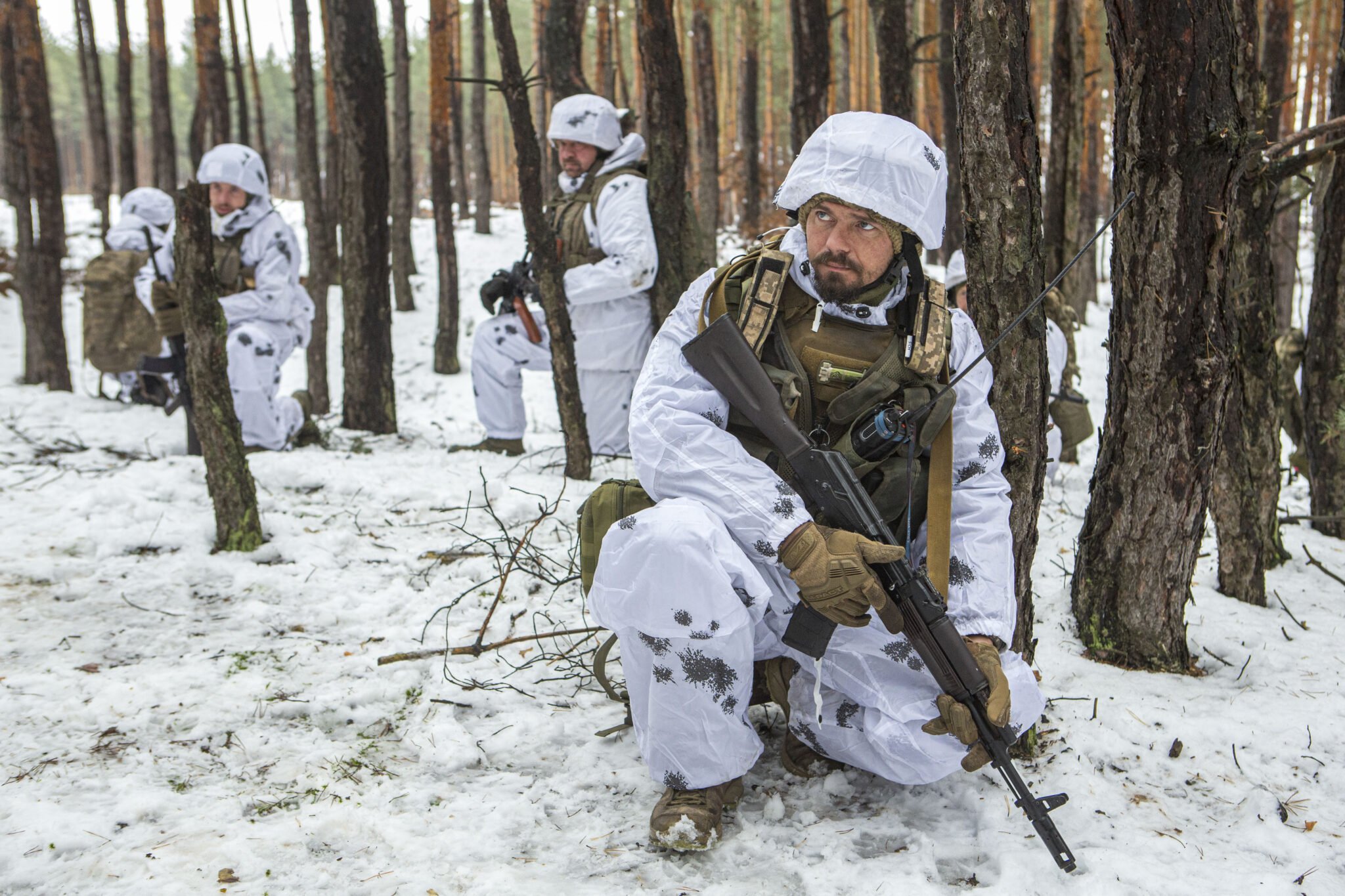
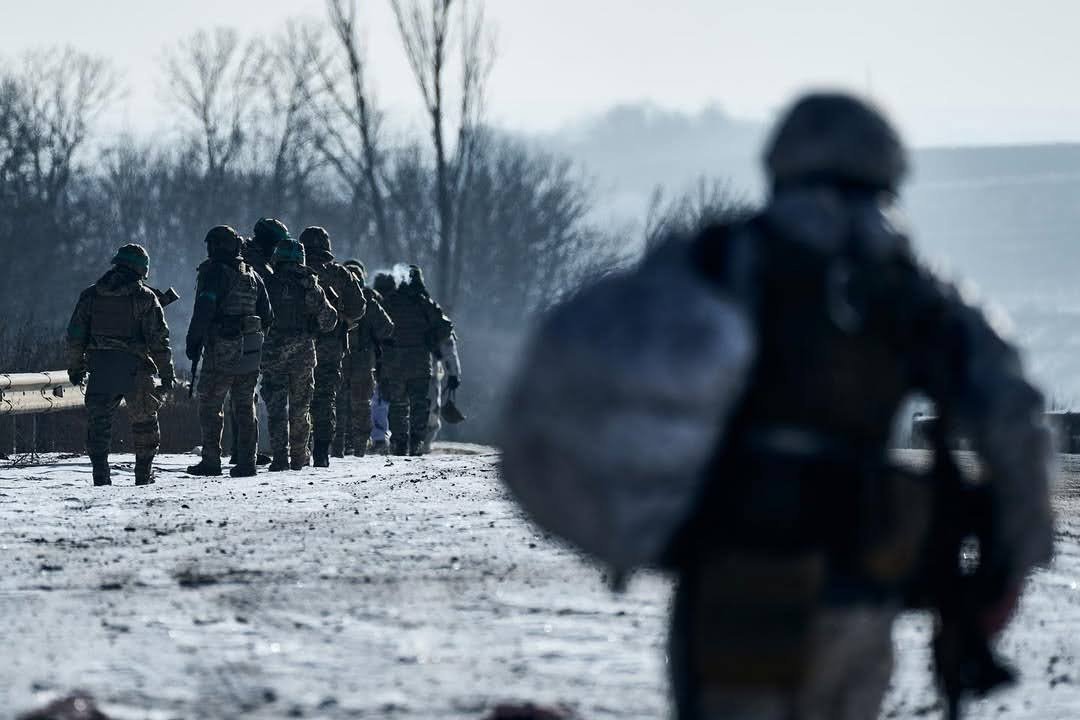
After lengthy preparations, the main task remains: reaching the positions. They must be reached on foot, sometimes covering distances of 20–25 km. It is necessary to camouflage oneself, move at night, and sleep under the open sky. The journey can take five to six days. At such moments, life directly depends on the soldier's equipment and the contents of their backpack.
A bottle instead of a standard toilet
A marine with the call sign "Revizor" spent 64 days at the observation post. He ate what was delivered by drones. Most often, the parcels contained stewed meat, dehydrated soup mixes, instant noodles, cookies, crackers, and candy bars. "I got tired of stewed meat in the first two weeks. I just wanted something freshly cooked," says the soldier.
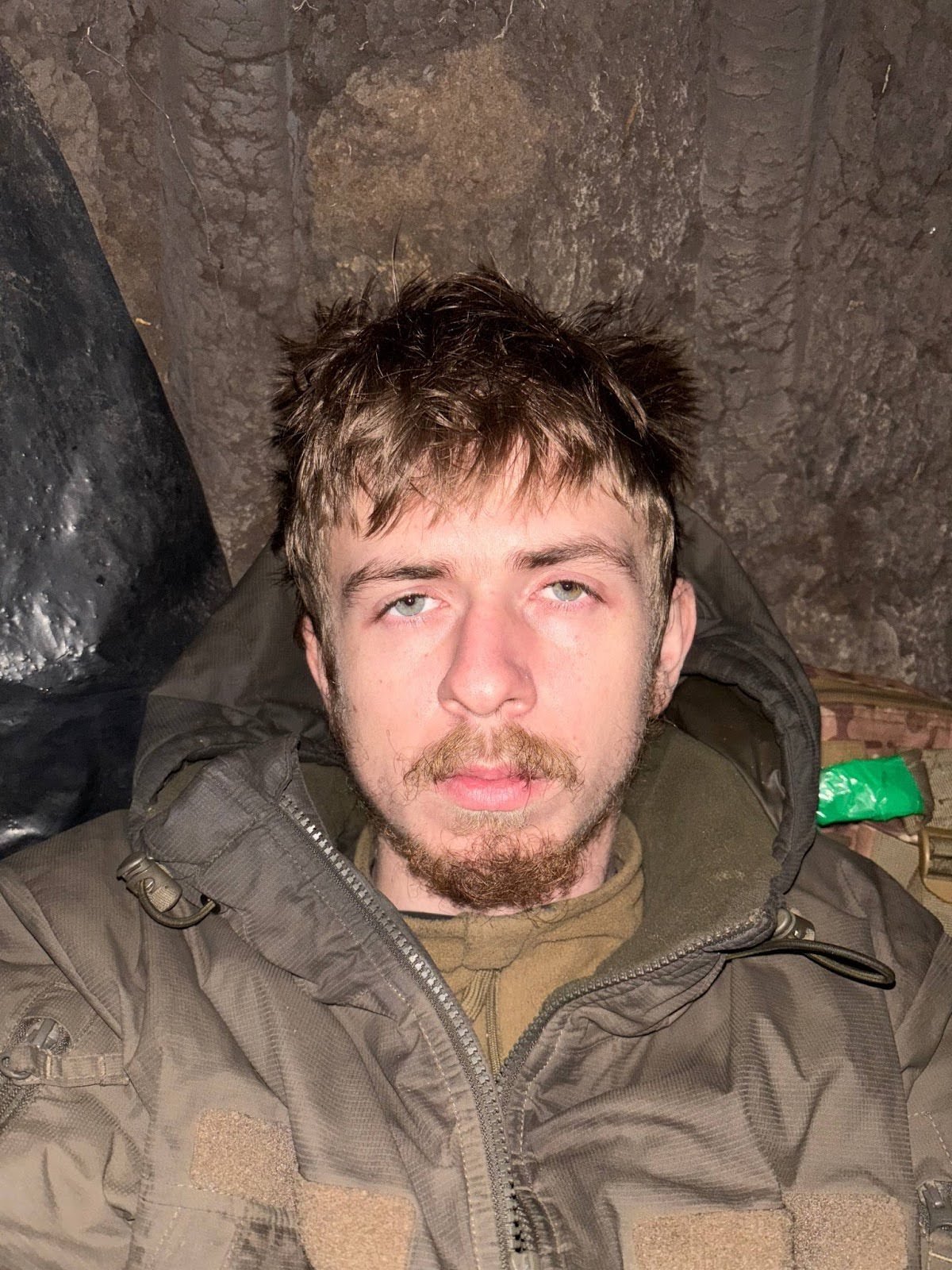
Marines cooked food on a small gas stove they had brought with them. Gas canisters become a critically important resource in such conditions. They are dropped to our soldiers along with food using drones. Small amounts of water, wet wipes, and, if necessary, medicines are also delivered.
Hygiene is difficult in winter. Often, even a dry shower set doesn't help. "When it's −15°C outside, it's also −15°C in the trenches. There's no warm place where you can undress and wash yourself," says the soldier.
During the day, the infantrymen wait for a quiet moment when the sky is clear to relieve themselves in the bushes
Water is the most valuable resource. "I could take a wet wipe and wipe my teeth without brushing them," explains the marine. "The only thing available for hygiene at the front line is wet wipes. We use them to wipe our hands, faces, and once every few days, our whole bodies".
What about the toilet? Enemy drones record any movement outside the shelter. "We don't go out at night at all, because thermal imaging drones can easily detect you. So we use a bottle for the toilet," says the soldier.
During the day, they wait for a quiet moment when the sky is clear to relieve themselves in the bushes.
Warmers
According to a soldier from the 95th Air Assault Brigade, in winter, you feel constantly exhausted: "You expend a lot of energy to keep warm, heat food, and so on".
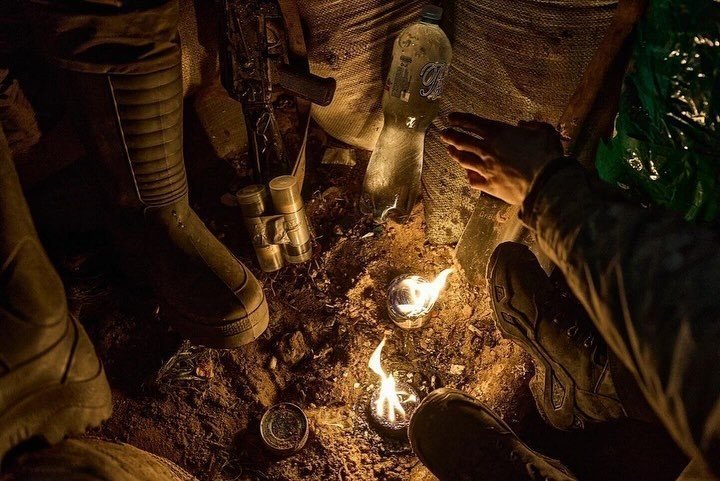
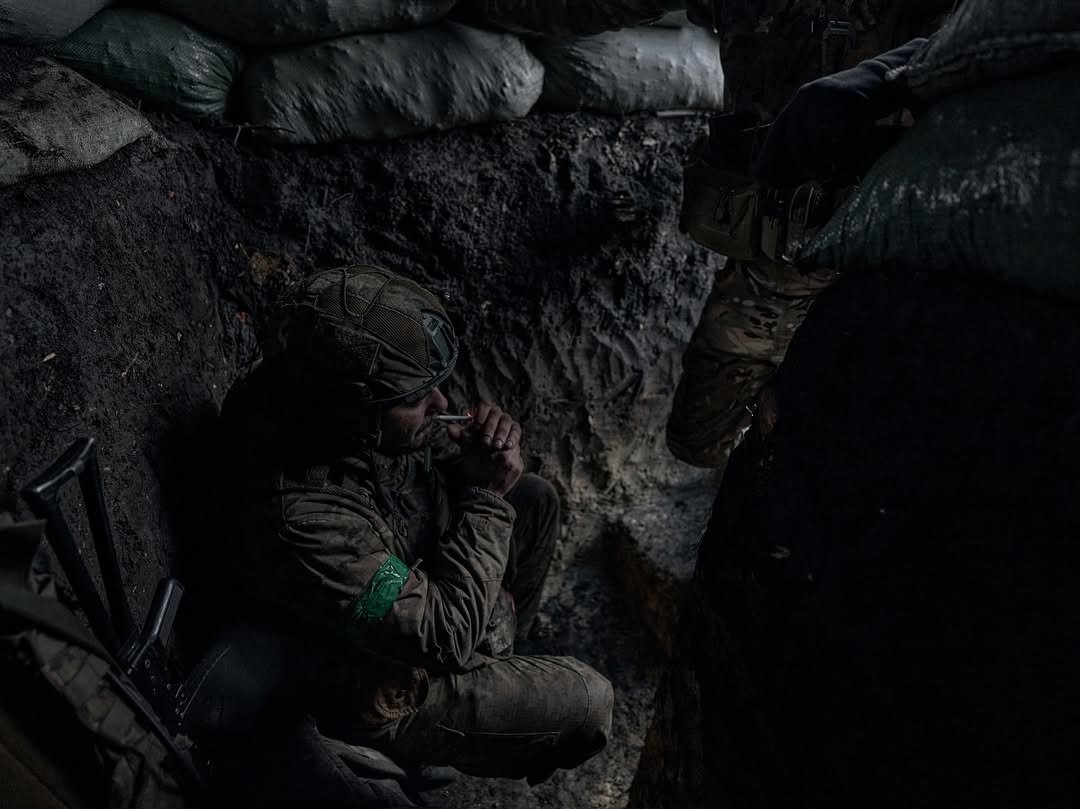
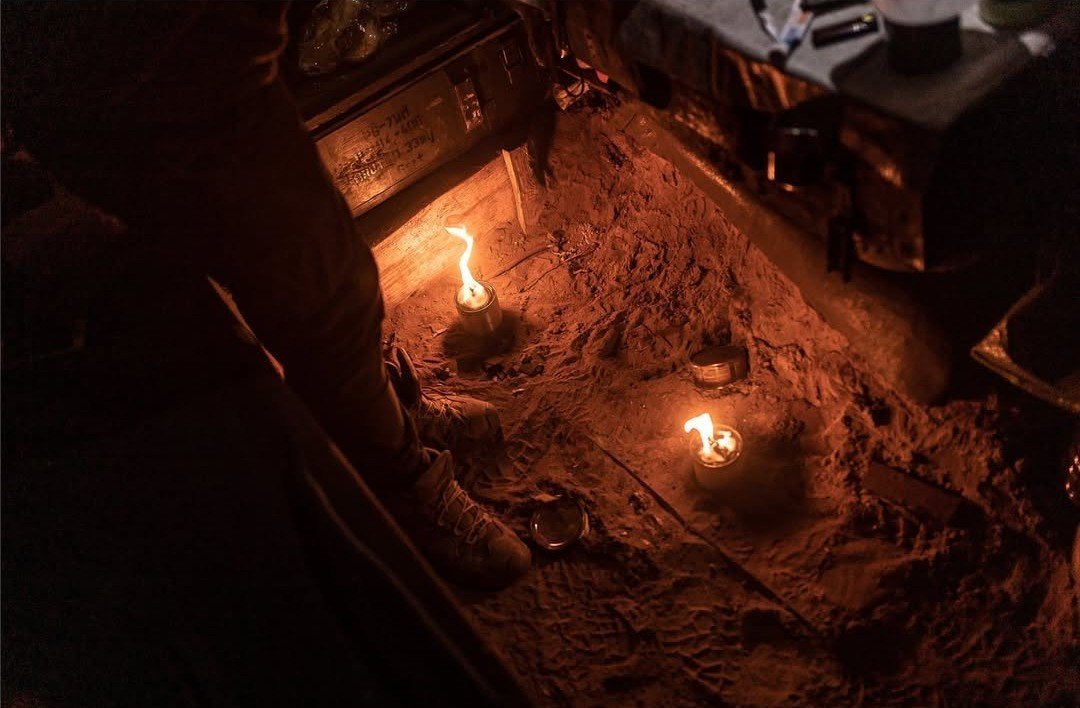
The trench of the soldier with the call sign "Revizor" was several hundred meters to a kilometer away from the Russians. It is almost impossible to heat the dugout, he says. Trench candles are not very helpful because you need a lot of them, and they are too heavy to carry or deliver by drone. "Sometimes I lit them just to look at the fire. It's calming," says the soldier.
Marines wrapped themselves in several blankets, trying to block out the cold air.
However, chemical warmers are very helpful in severe frosts. Revizor used several of them at once: "I put two warmers in the inside pockets of my jacket, two under my pants at the hips, and two in my socks. It's a bit pricey (ten chemical warmers cost 200 hryvnia [almost $5], and one lasts for five hours — Ed.), but there's no other way".
Frostbitten limbs
A combat medic from the 95th Air Assault Brigade with the call sign "Nord" says that in winter, the greatest threat to soldiers on the front line is rising temperatures. When the temperature rises, humidity appears. Shoes quickly get wet.
Prolonged exposure of the feet to damp conditions can lead to trench foot (also known as immersion foot syndrome). The extremities become numb, swollen, and covered with blisters, and the skin turns pale. To prevent this, you need to constantly change your socks to keep your feet dry and warm.
IN CASE OF FROSTBITE, TIME WORKS AGAINST THE SOLDIER
However, sub-zero temperatures can cause four degrees of frostbite: from pale, swollen skin to tissue necrosis. "It is essential to understand that even first-degree frostbite must be treated in a hospital. It is impossible to warm up limbs for a long time in trenches, time is working against the soldier," explains Nord.
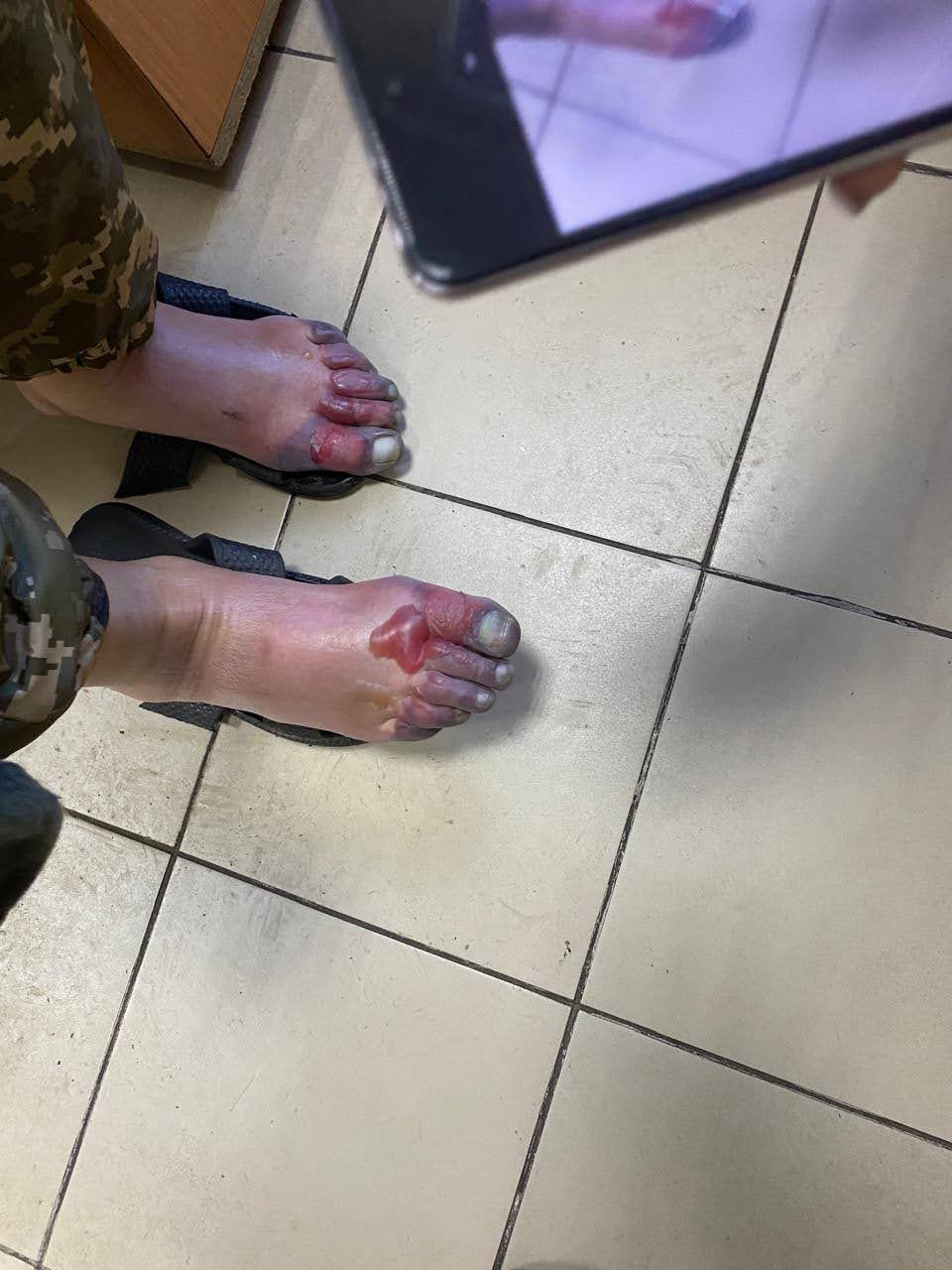
Severe frostbite leads to irreversible changes: fingers turn black. "We call this 'prune'. The skin is very similar to it in texture and color," says the doctor.
Sometimes, frostbitten limbs cannot be saved. Even if amputation can be avoided, blood circulation in the legs or arms is permanently impaired. The person may experience numbness in their limbs in cold or windy conditions for the rest of their life, says Nord.
Moral and physical resilience
In conditions of constant danger and cold, there are no trifles. What seems like a minor detail can determine the rest of your life.
According to Revizor, not everyone can endure prolonged cold without rest. "It's morally difficult. Some people lose control of themselves," he says. He is talking about mental breakdowns, when a person ceases to assess dangers adequately.
SUPPORTED BY THOUGHTS OF HOME AND FAMILY
Marines were sustained by thoughts of home and family, and the possibility of occasionally contacting them. "When you know you're about to be replaced in a combat position, you count the days," the soldier shares. He began recording videos about life in the trenches.
The hardest thing for the marine was when the rotation was postponed: he lost sight of the future and became apathetic. “Then there was shelling, we miraculously survived, and the depression receded. Because you survived, everything is fine, you want to live on,” he recalls.
I poured a half-full cup, saving water and gas
According to the soldier, discipline and a cool head are the most helpful. "Discipline is in how you drink tea, for example. I only drank when it was necessary, not when I wanted to. I poured a half-full cup, saving water and gas. You mustn't pamper yourself and relax," he emphasizes.
Revizor was convinced that basic needs can be met even in trenches and dugouts: "Soldiers in their positions are proof that people are capable of much more than they imagine".